- 159

- Portugal
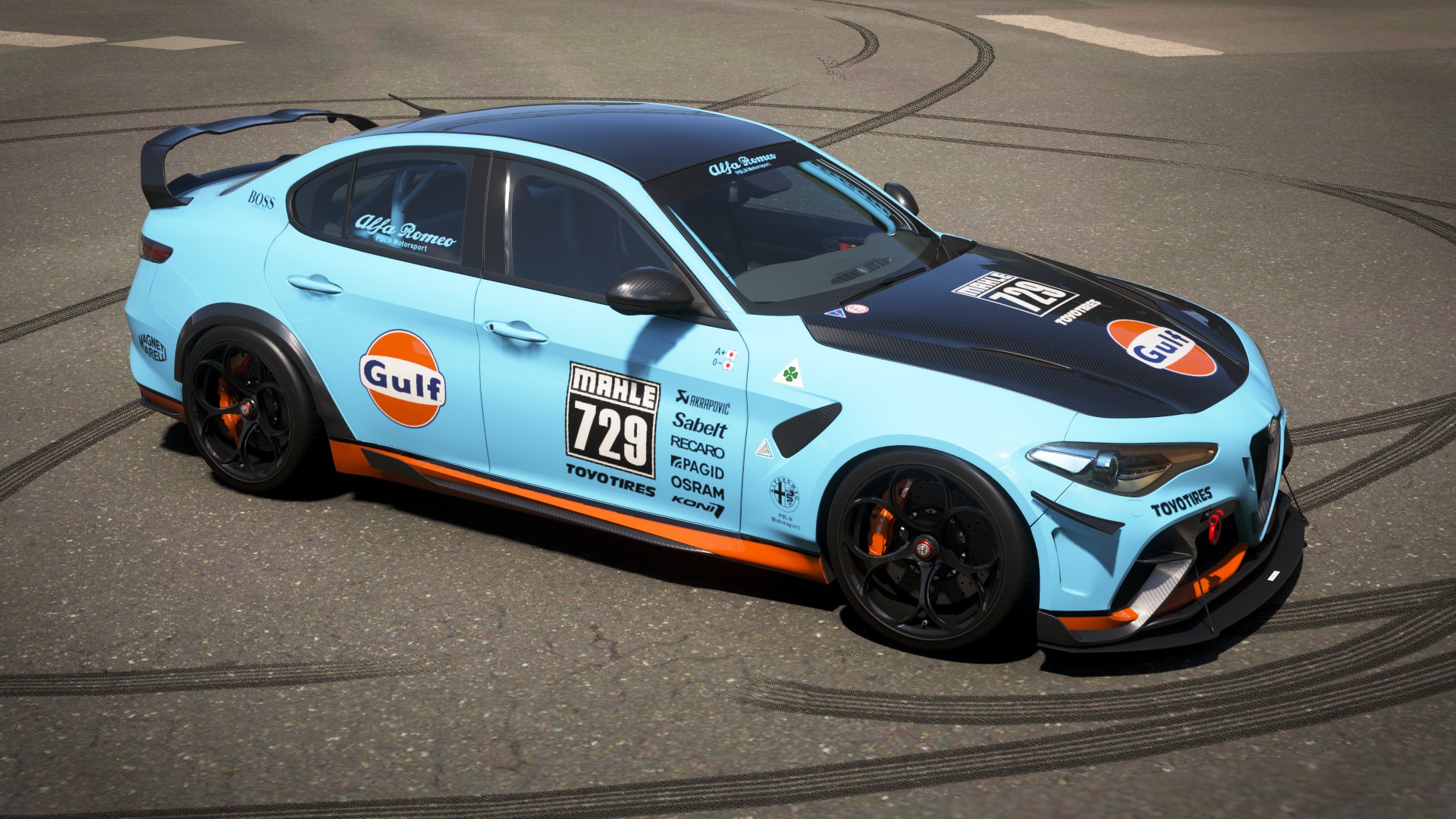
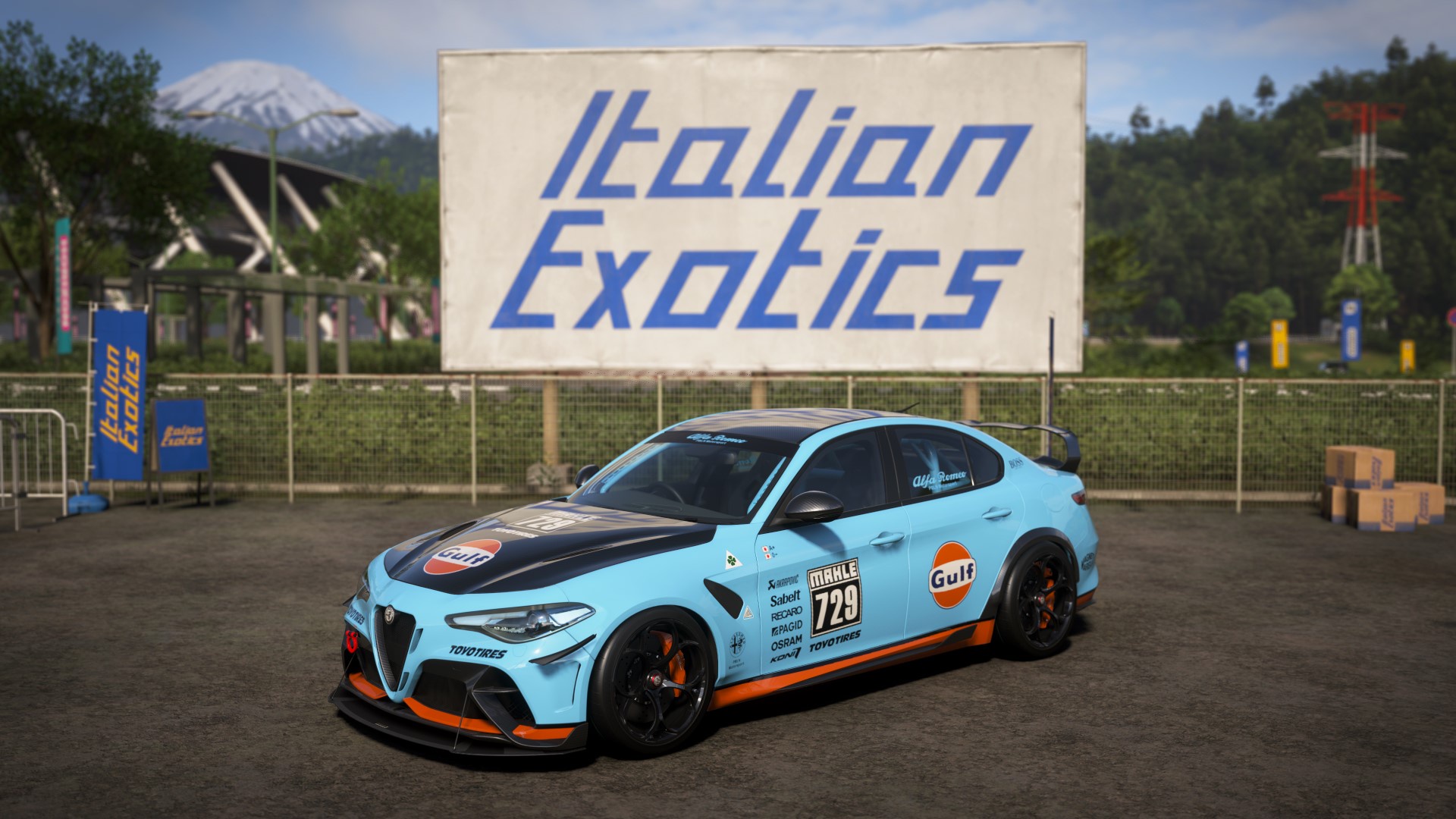
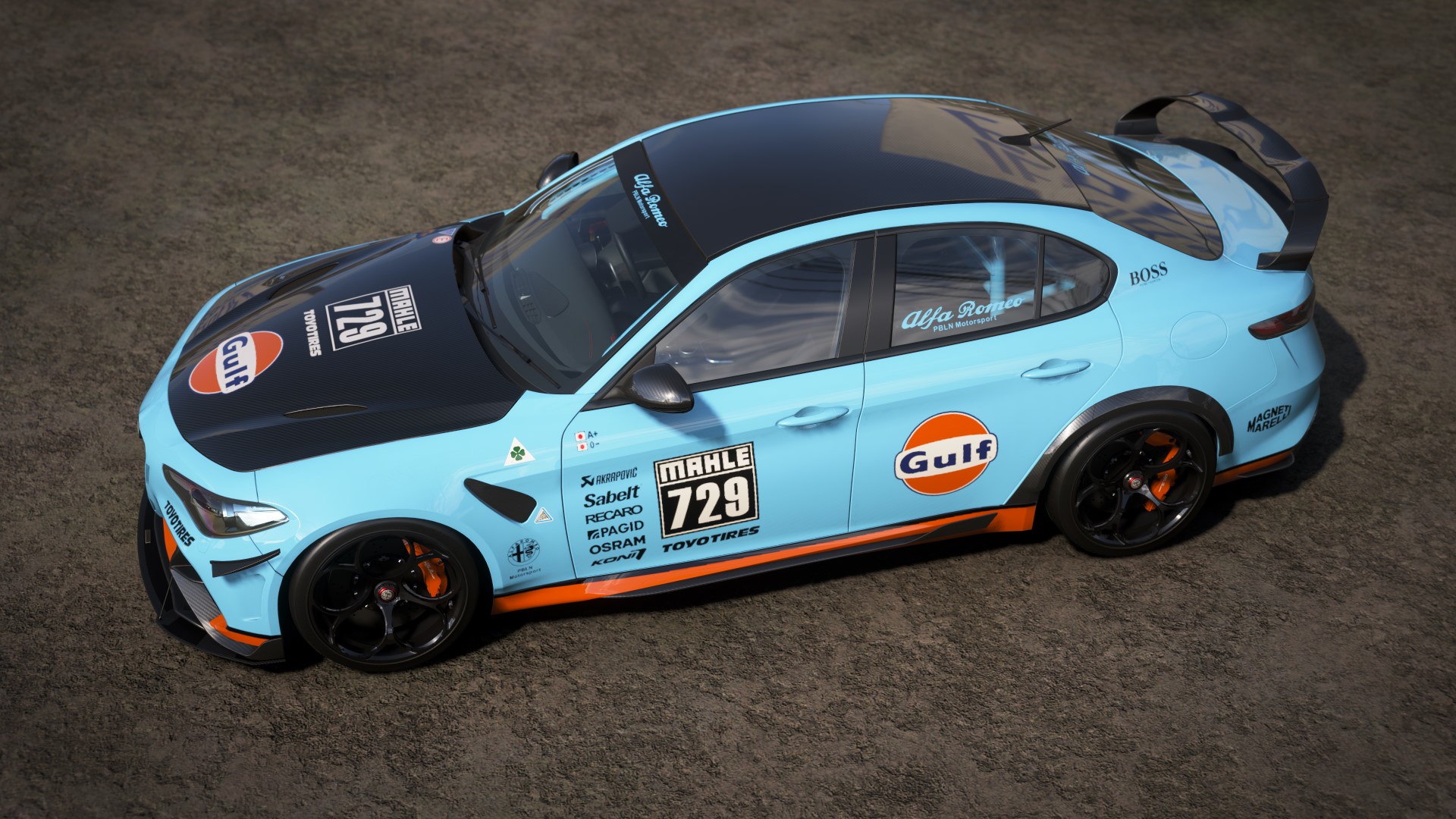
Is that green or blue?Something for the Alfanatics.
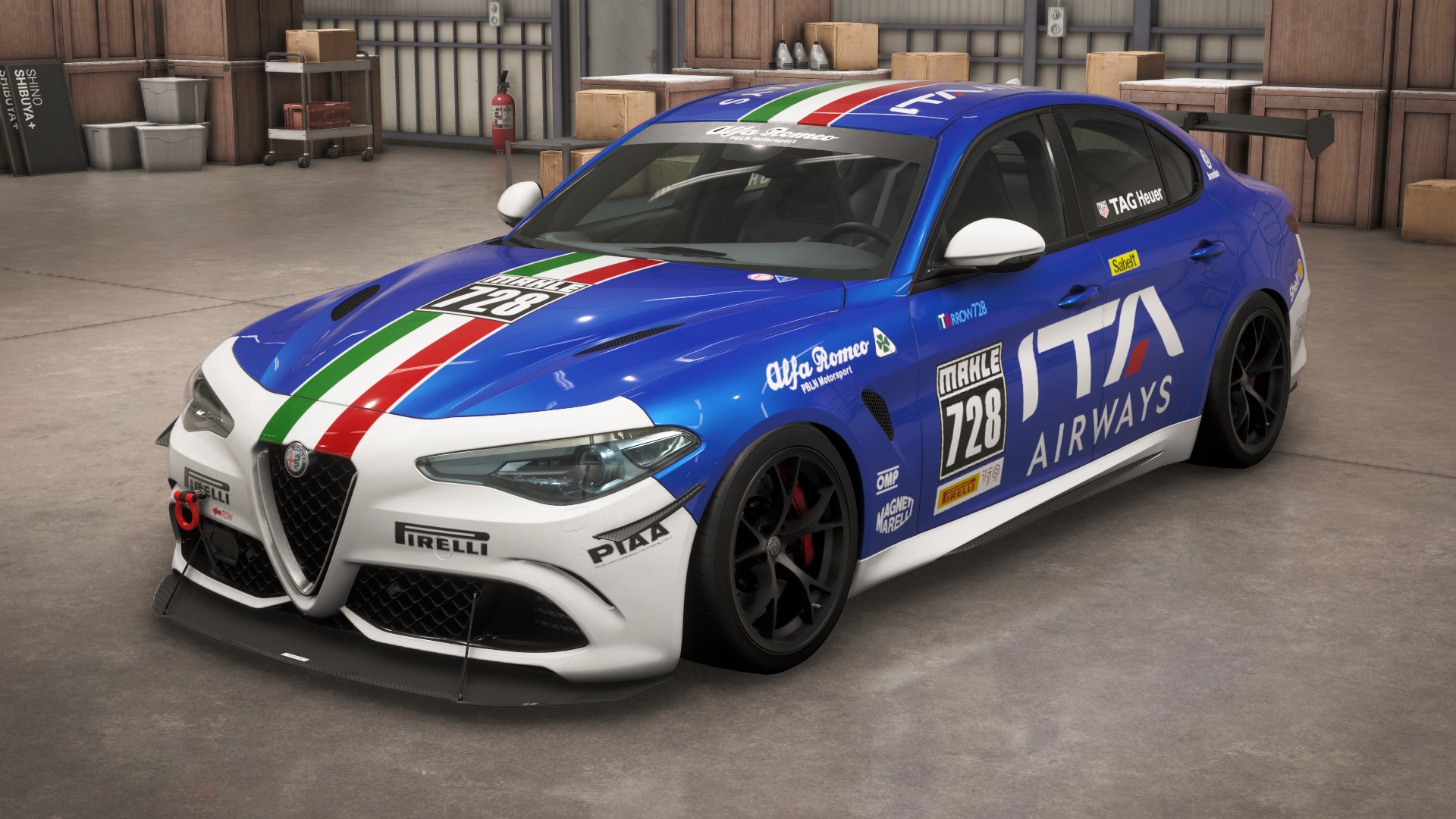
The livery that i downloaded was blue :\
Is that green or blue?Something for the Alfanatics.




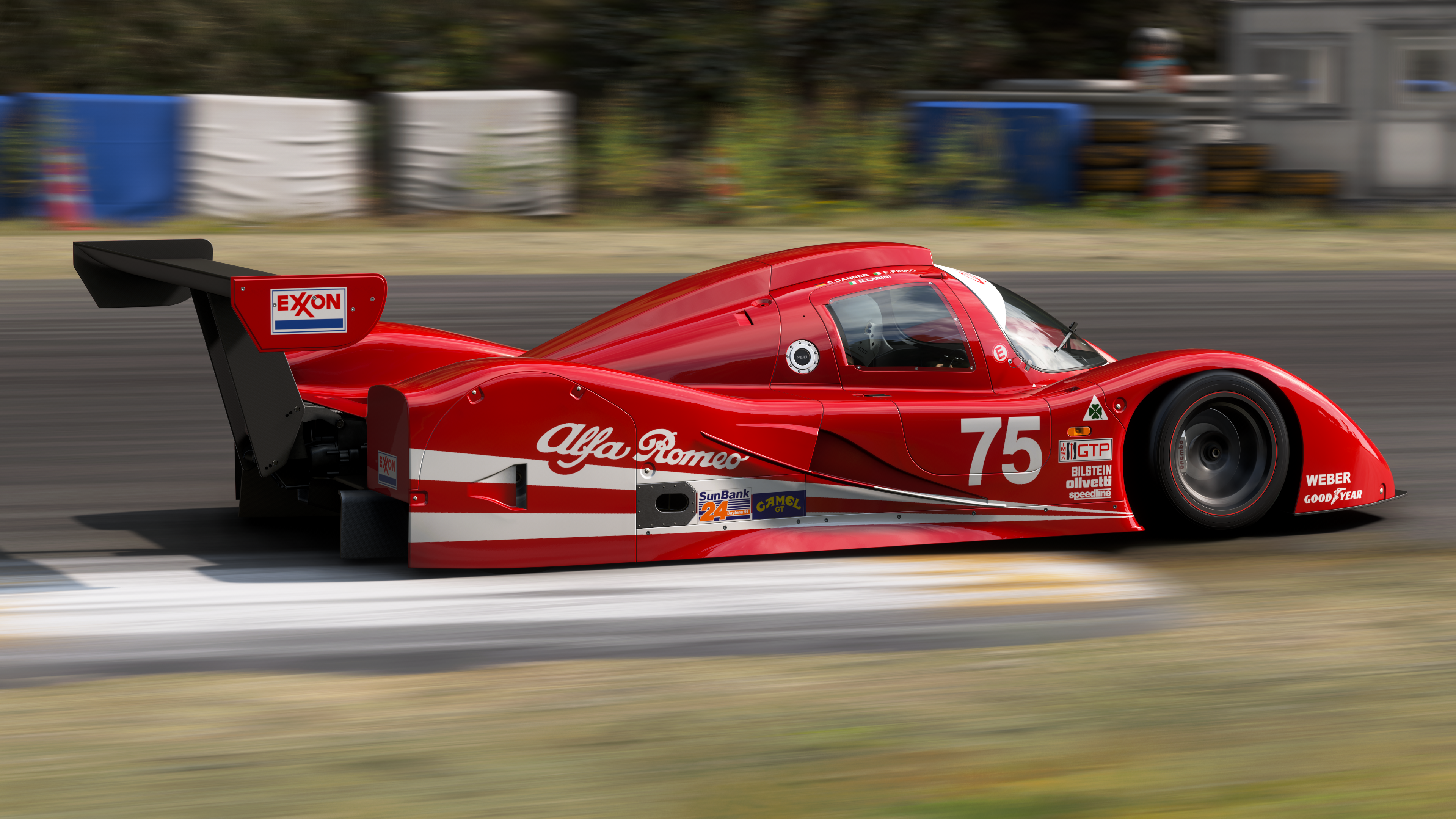
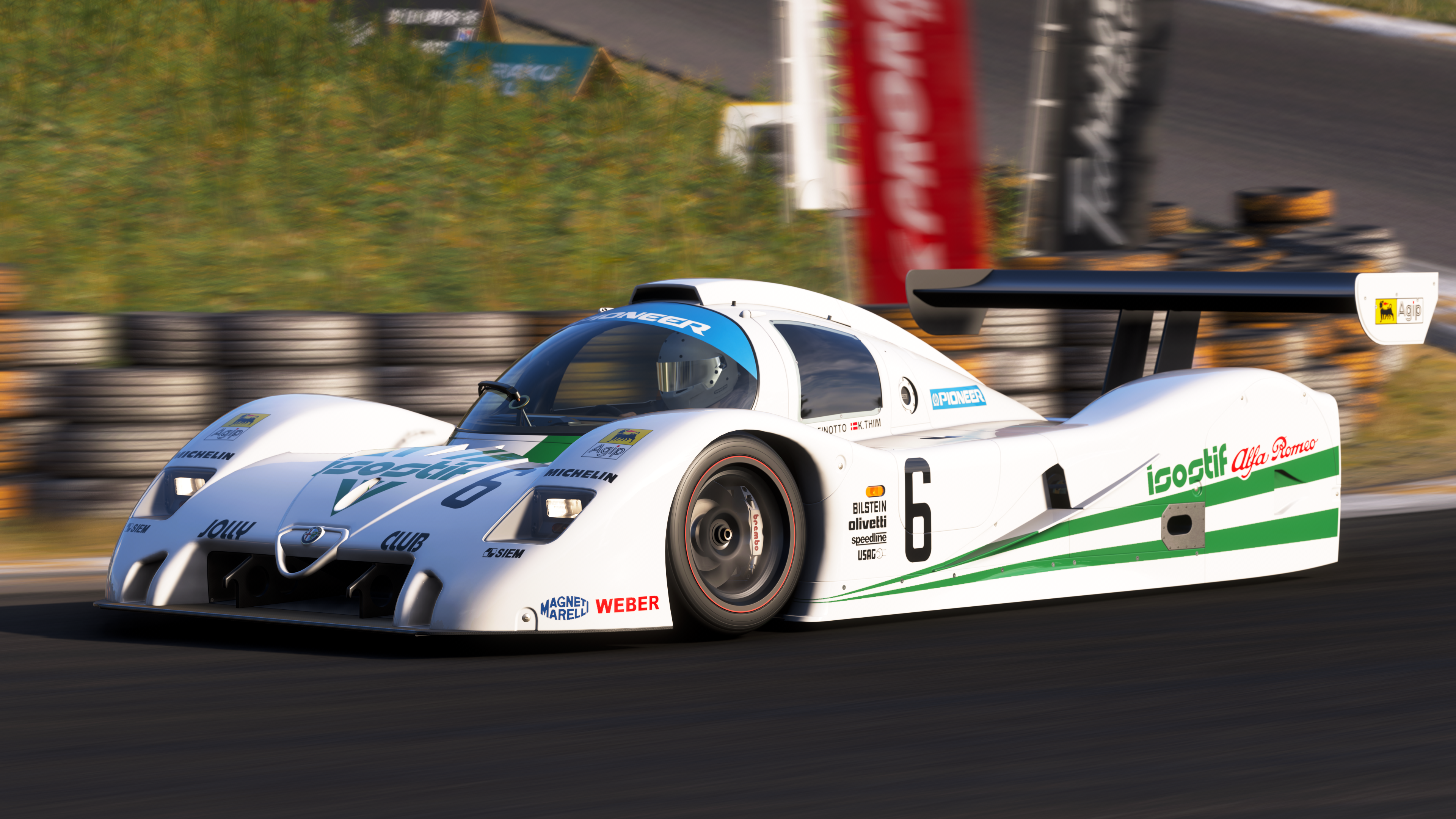

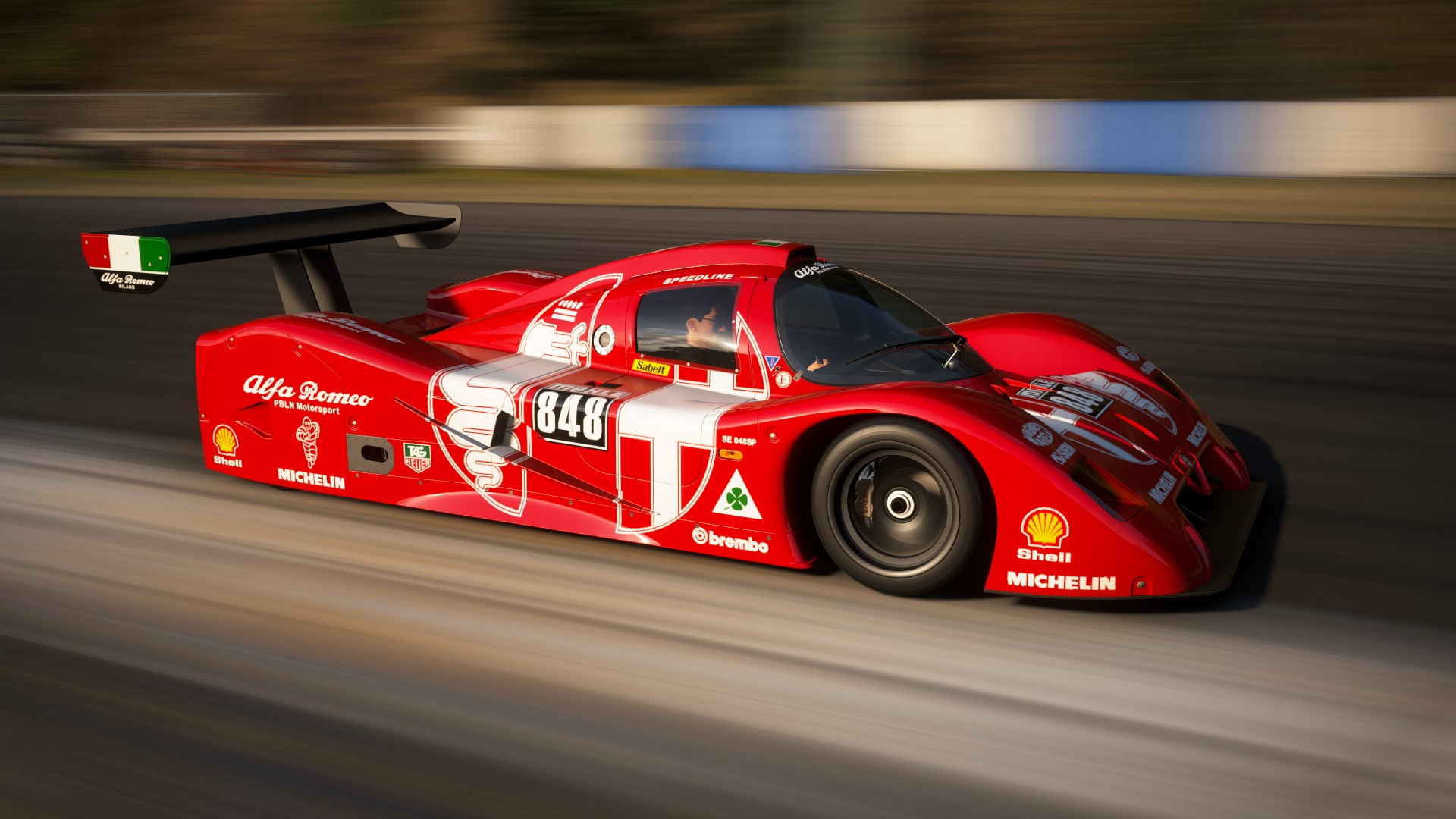
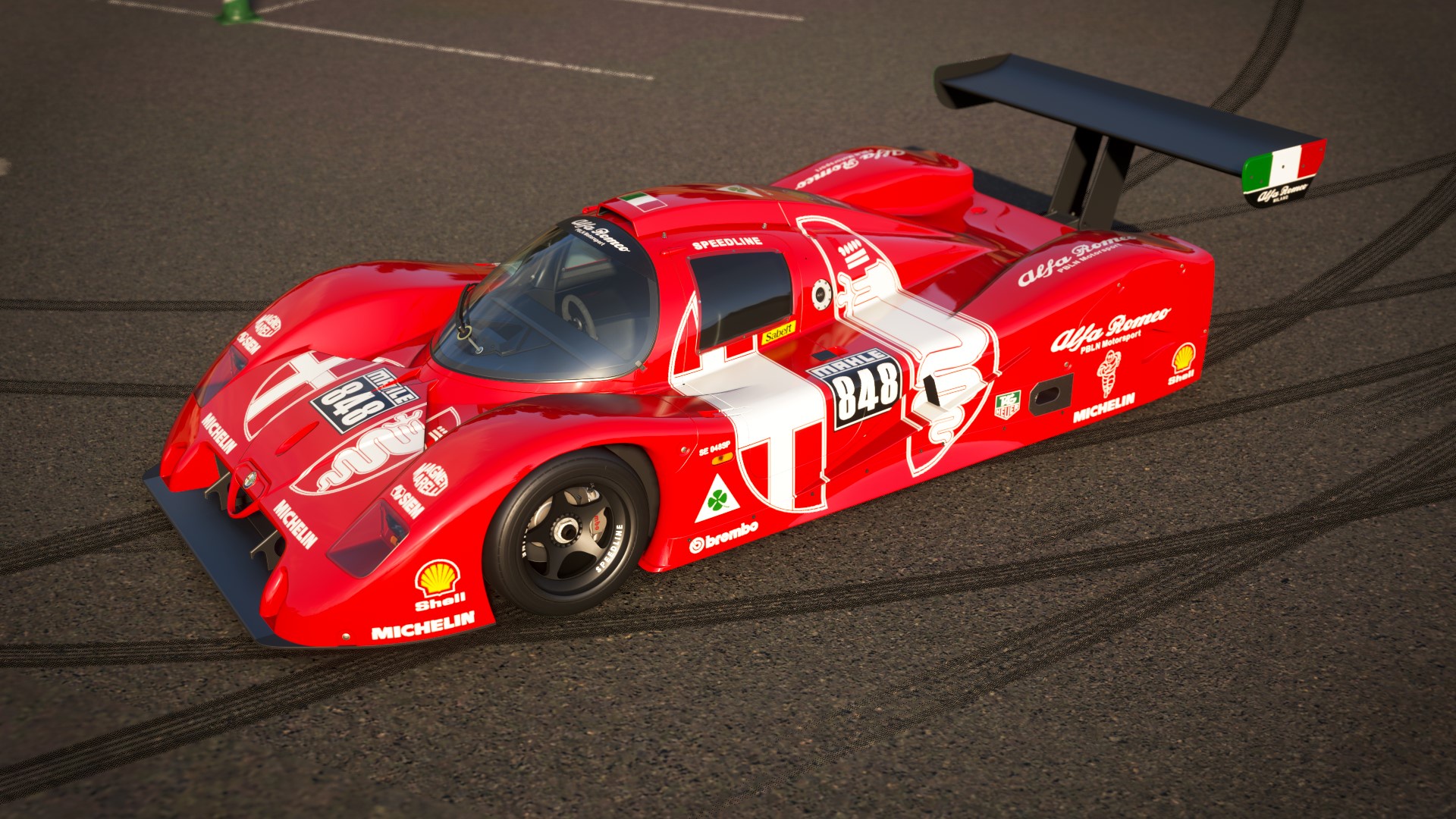
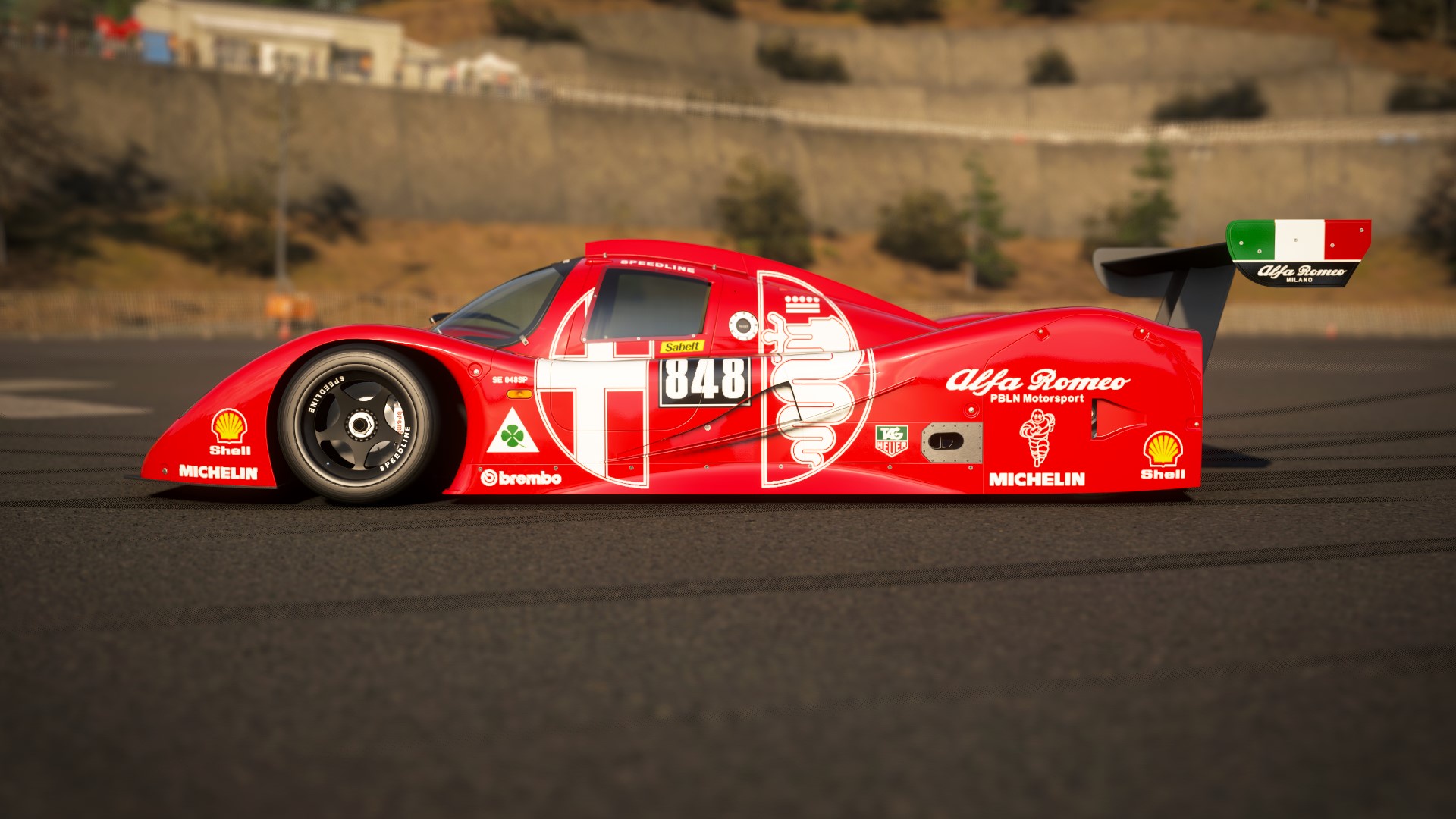
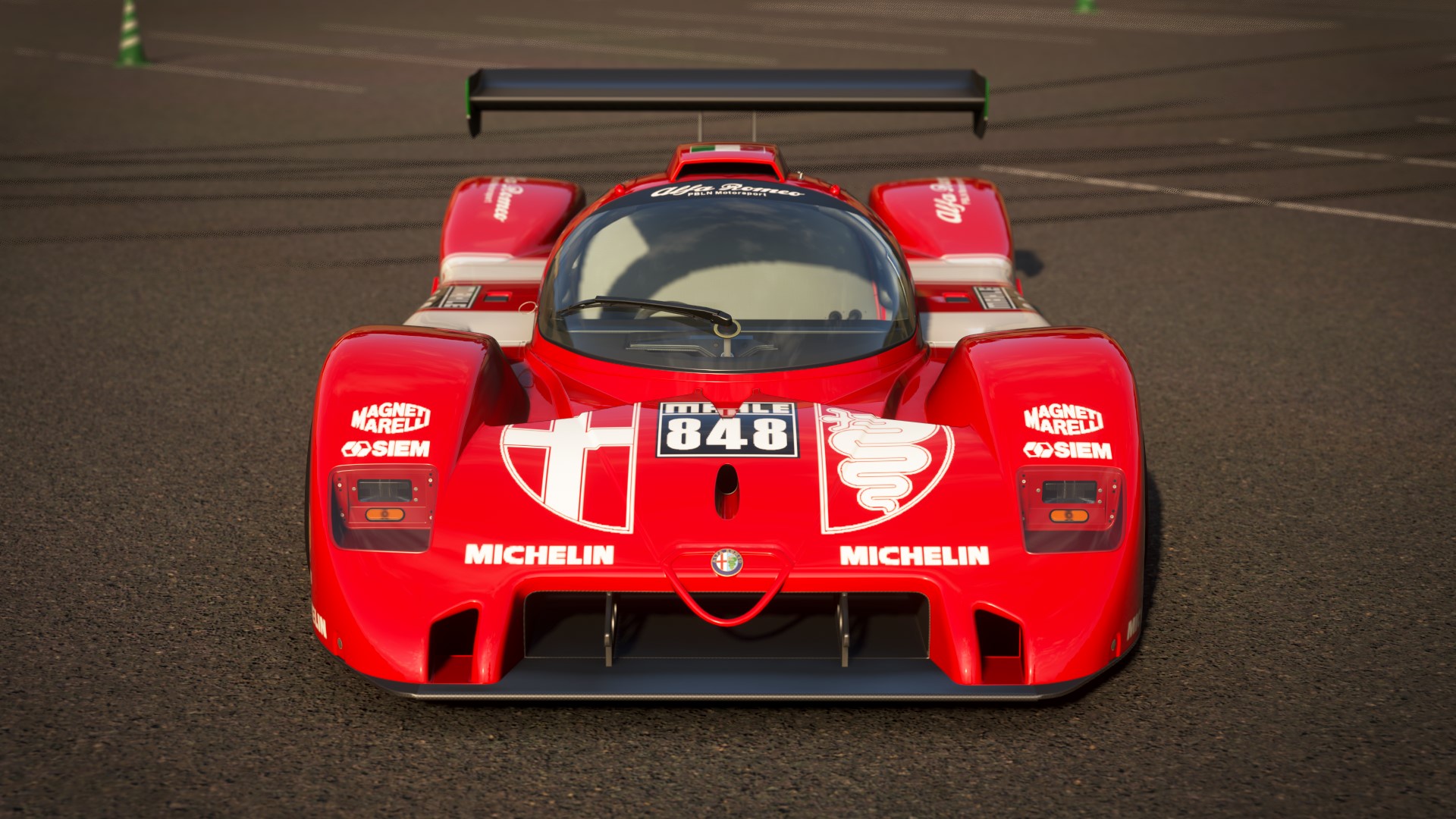
The Brototype Cinematic Universe, ep. 2: Alfa and Omega
Or: what if Fiat didn't can the SE 048 SP?
For Alfa Romeo, the 24 Hours of Le Mans had always been unfinished business.
The marque's name had become synonymous with endurance racing in the interwar years, claiming four consecutive victories between 1931 and 1934 and cementing its place among the giants of European motorsport. Attempts to return to the summit in the late 1960s and early 1970s had produced moments of brilliance, culminating in the victory of the 1977 World Sporstcar Championship for marques, but never the result the Biscione truly sought: an outright victory at La Sarthe in the modern era.
The 1980s were a decade of contradictions for Alfa Romeo. Formula 1 yielded little beyond fleeting flashes of competitiveness. In the world of touring cars, Arese found itself outspent and outpaced by its historic rivals at BMW and Ford. Outside of the arena of motorsports, the company found itself facing an increasingly uncertain future future. By 1986, Alfa had passed into Fiat's unwilling ownership.
Yet, by the end of the decade, circumstances aligned to offer Alfa Romeo one final shot at redemption. Under the stewardship of Gianni Tonti, the company had been developing a 3.5-litre V10 for Formula One's forthcoming regulations. Initially intended for Ligier, the engine was soon left without an adopter; and within the Fiat group, there was little appetite for an Alfa Romeo grand prix program existing alongside Ferrari's own efforts. A compromise was thus reached: Alfa would shelve its Formula One ambitions, and in return Fiat would grant the Biscione an all-out attack on Le Mans.
The program quickly coalesced around the expertise accumulated earlier in the decade, when Lancia had launched its attack on the World Sportscar Championship with the unlucky LC2. Abarth was entrusted with the competition program, and work began on project SE 048. Dallara was tasked with developing a modern carbon fiber chassis, and an aerodynamic package that could compete on equal terms with Porsche, Jaguar and Mercedes.
It wouldn't be long before the Alfa powertrain was abandoned in favor of Ferrari's formidable 65-degree V12, a solution that promised both performance and reliability while keeping costs within reason.
The Alfa Romeo 12C Sport Prototipo was unveiled to the public in late 1990, immediately capturing the imagination of endurance racing enthusiasts. Alfa's ambitions, however, remained deliberately measured.
The plan for 1991 called for a selective campaign focused exclusively on select events on both sides of the Atlantic. Beyond that, the future remained tantalizingly undefined. Should the program prove successful, Alfa Romeo openly entertained the possibility of expanding its commitment to a full World Sportscar Championship campaign in 1992. Yet, even as the covers came off the 12C, dark clouds were gathering over the category itself.
The FIA's transition to 3.5-litre regulations had driven development costs to unprecedented levels, and confidence in the long-term viability of the World Sportscar Championship was already beginning to waver. Manufacturers watched events unfold with increasing caution, uncertain whether the series that had defined prototype racing throughout the 1980s would survive long enough to justify further investment.
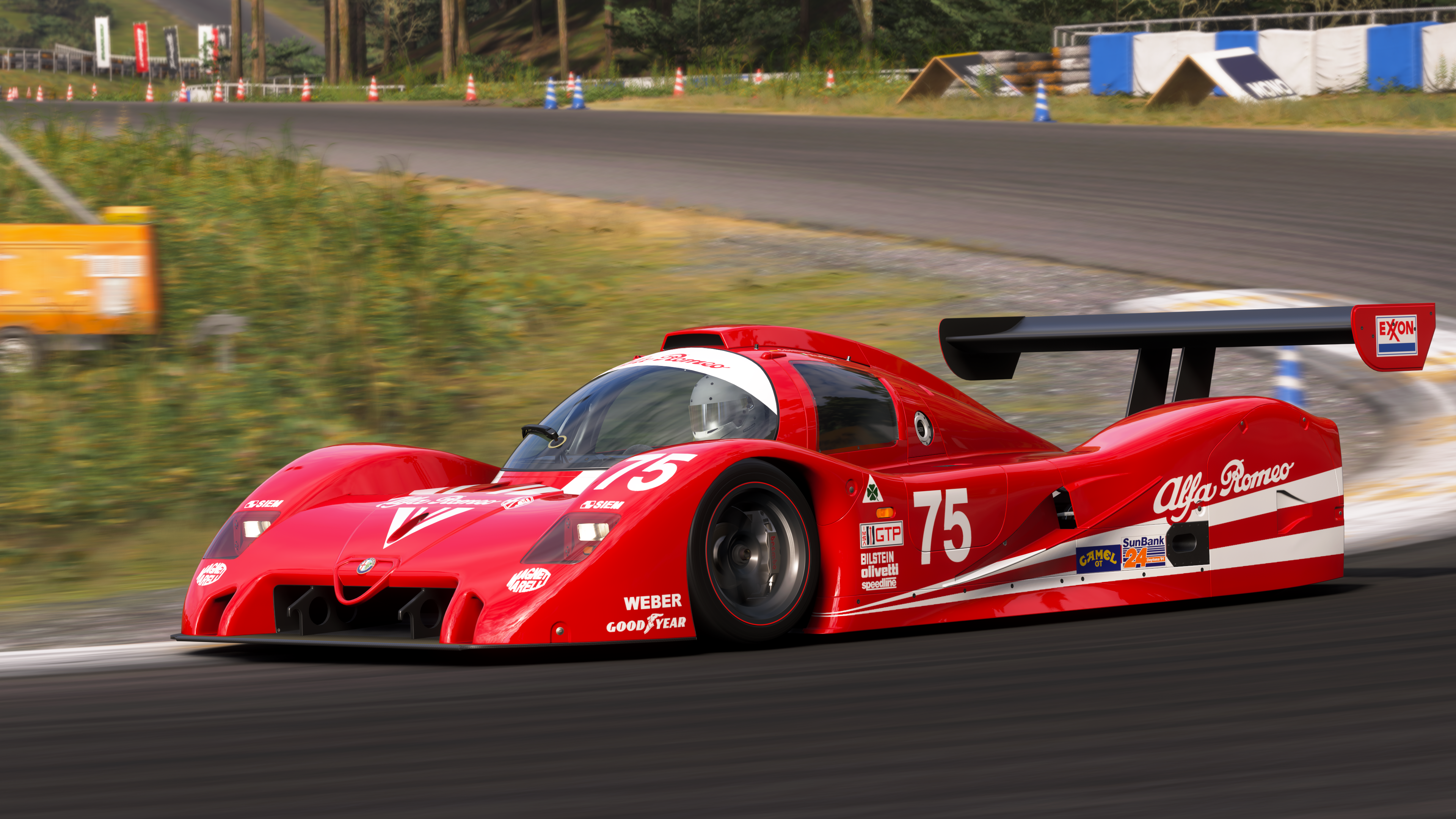
Those concerns, however, did little to overshadow the SE 048SP's competitive debut at the 1991 24 Hours of Daytona.
Entrusted to Fiat stalwart Jolly Club, Alfa Romeo's Le Mans challenger arrived in Florida with an accomplished driver lineup: Christian Danner, Nicola Larini and Emanuele Pirro. Facing a formidable field of battle-hardened Porsche 962s, Nissan-Lolas and Jaguars, expectations were tempered. The 12C was, after all, an entirely new machine making its first appearance in one of endurance racing's most demanding events.
In qualifying, the Alfa secured an impressive fourth place on the grid, demonstrating pace that few had anticipated from a program still in its infancy. More importantly, it carried that speed into the race itself, running comfortably among the established contenders as the opening hours unfolded.
Inevitably, Daytona would remind Alfa Romeo that endurance racing has little regard for potential. A handful of mechanical ailments surfaced during the night, consigning the 12C to an extended stay in the pits and costing the team any realistic chance of an outright podium finish.
After twenty-four hours, the Alfa Romeo crossed the line in fourth position—just one lap behind the third-placed Wynn's Porsche 962. It was an extraordinary result for a maiden outing, one that suggested the Biscione had returned to endurance racing with a machine worthy of its heritage.
Just as importantly, those entrusted with driving it came away convinced of its potential. Danner, Larini and Pirro spoke highly of the SE 048SP's balance, responsiveness and outright pace, fueling a growing sense of optimism within the team. If Daytona had demonstrated anything, it was that Alfa Romeo possessed a genuine contender.
All eyes now turned toward June.
Le Mans would mark a significant escalation in Alfa Romeo's ambitions.
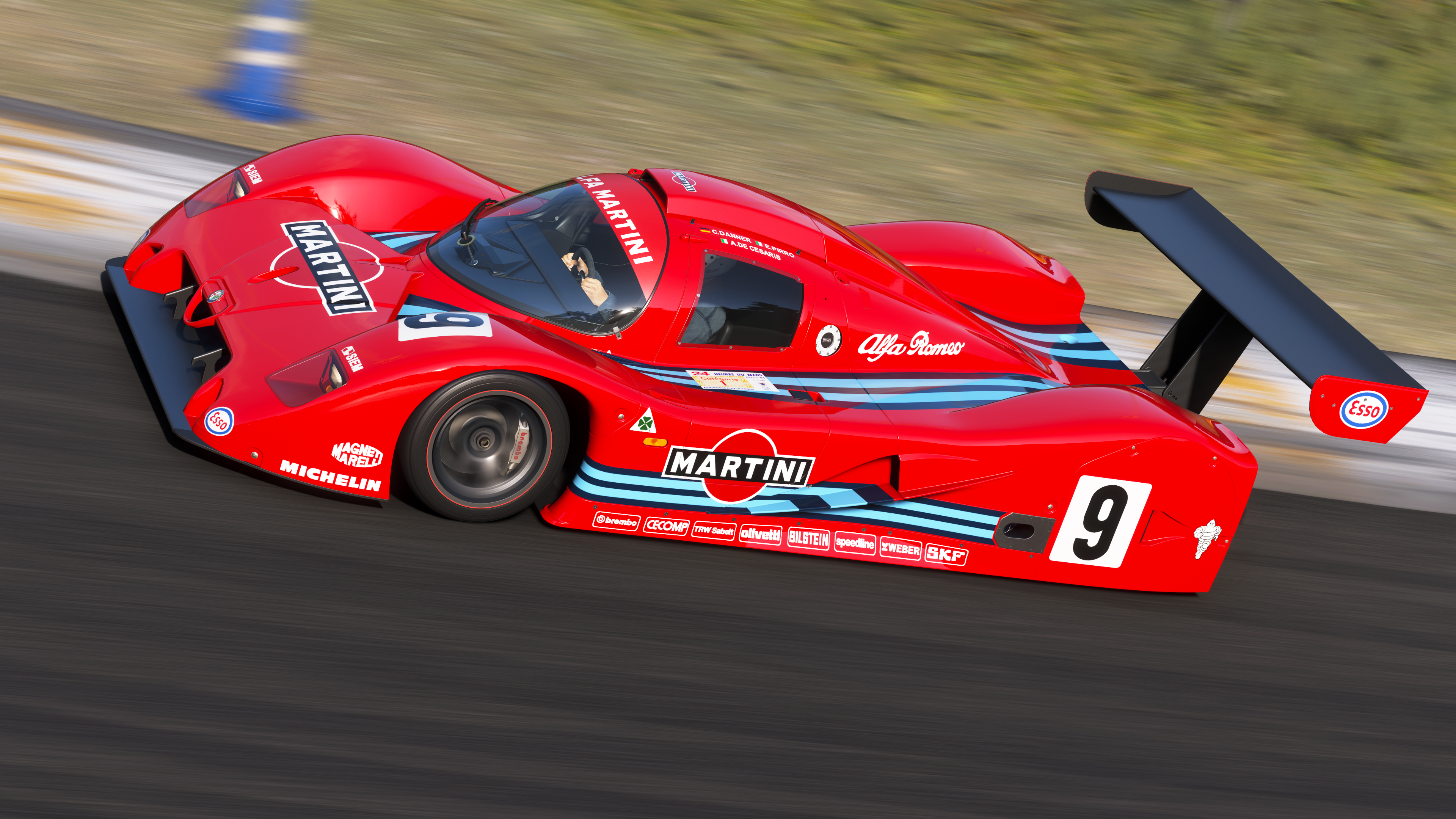
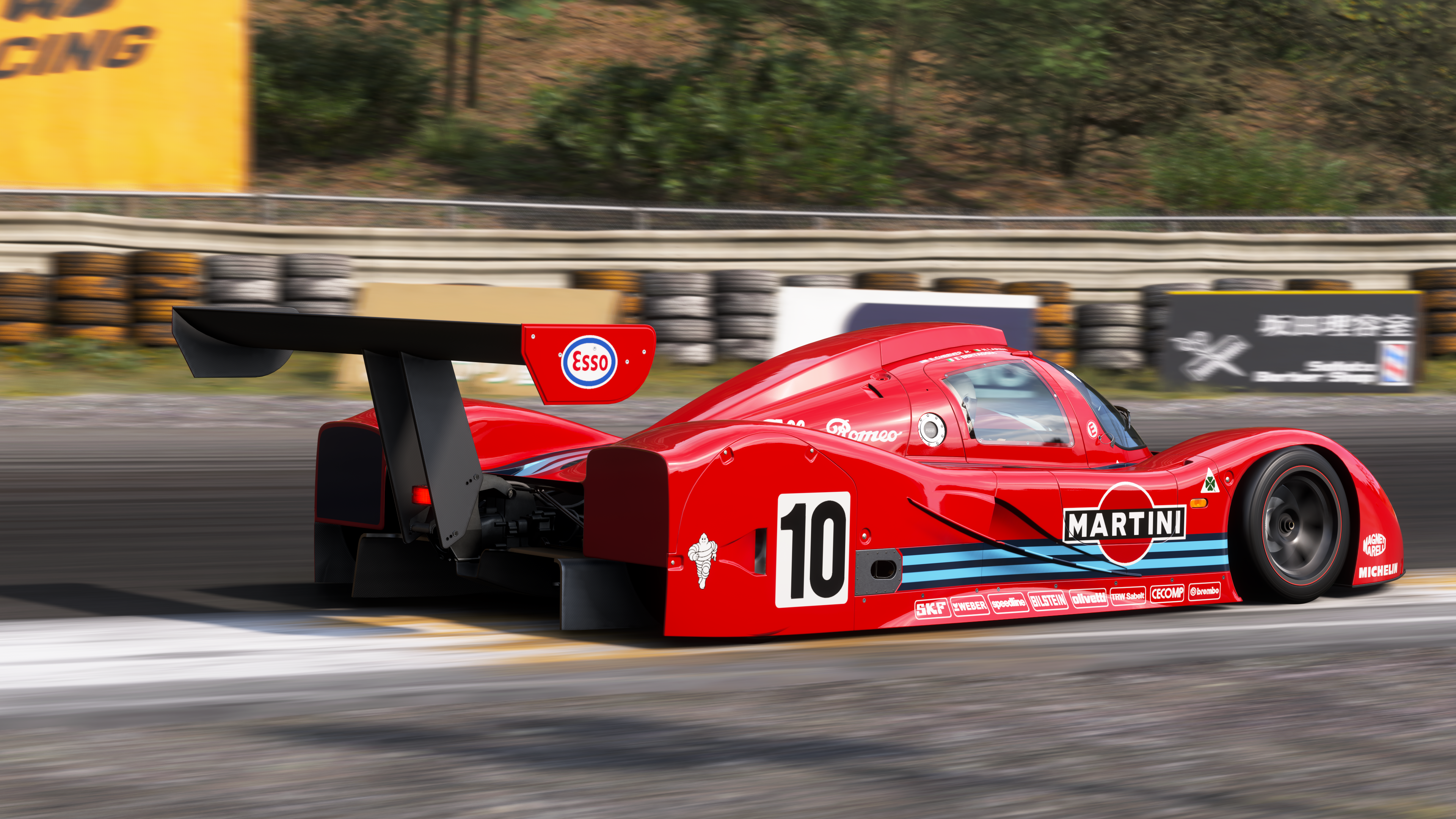
Unlike Daytona, where a single chassis had carried the hopes of the program, the official Alfa Corse squad arrived at La Sarthe with a full two-car assault, both machines resplendent in Martini colors and presented with all the gravitas one would expect of a factory effort. If Fiat's internal politics had constrained the project's budget, there was little evidence of it in the team's presentation.
Car #9 retained the services of Christian Danner and Emanuele Pirro, now joined by Andrea de Cesaris, whose Formula One experience made him a valuable addition to the squad. Alongside them, the #10 entry featured Eddie Cheever, Nicola Larini and promising talent Enrico Bertaggia, who had cemented his reputation the previous season with a remarkable performance at Suzuka, where he had briefly led in Hasemi Motorsport's aging, Tomica-sponsored Nissan R88C against considerably newer machinery.
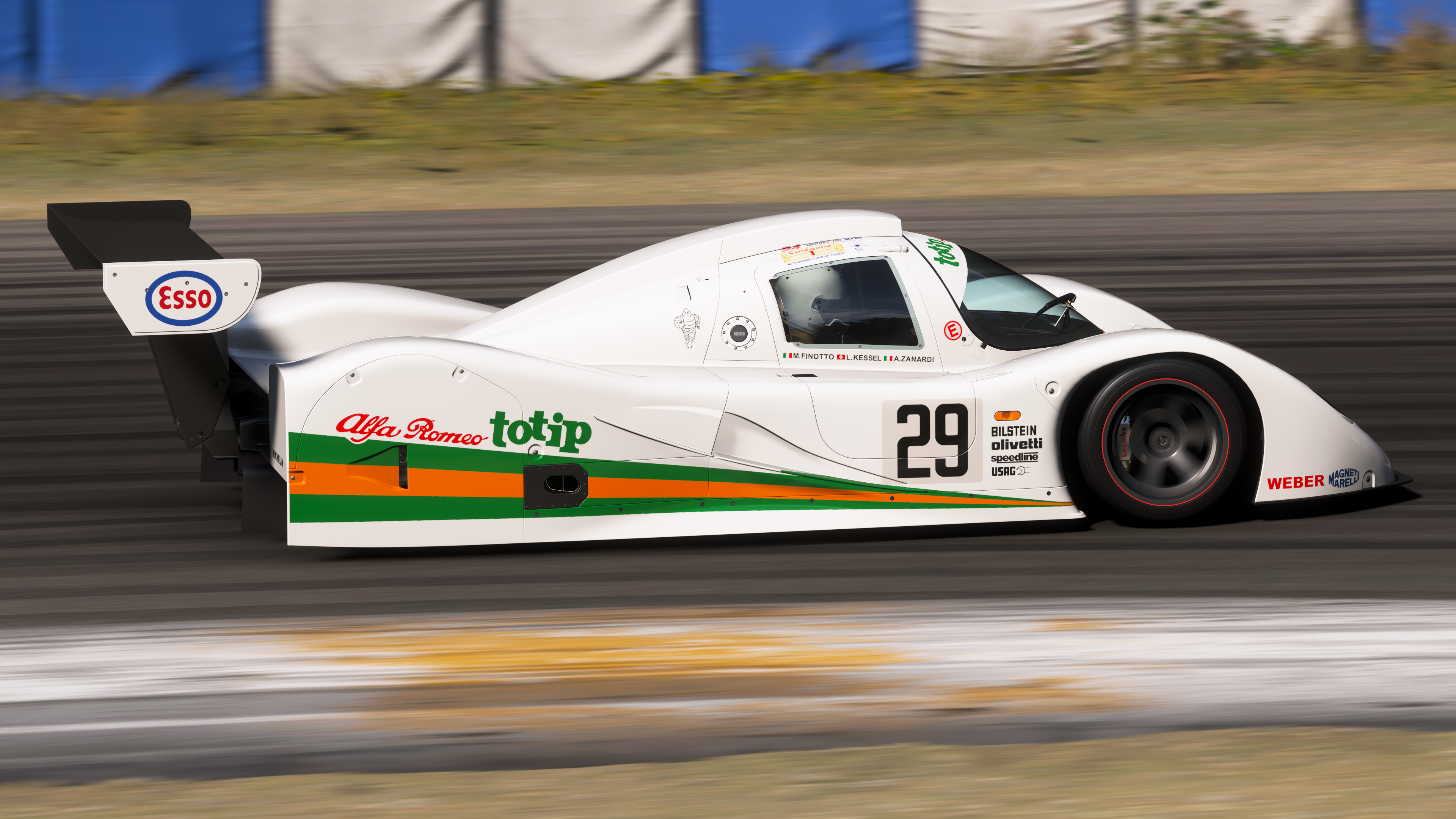
A third 12C would be entered under the banner of Jolly Club, carrying Totip sponsorship, and it was generally understood to be a third factory entry in everything but name. Veteran endurance racers Martino Finotto and Loris Kessel brought decades of experience to the cockpit, while the team's youngest recruit, a relative unknown by the name of Alessandro Zanardi, represented the future—a highly rated prospect eager to make his mark on the international stage.
By the time scrutineering concluded in the Place des Jacobins, it was clear that the paddock viewed Alfa Romeo with a mixture of curiosity and caution. Standing opposite the factory Jaguars and Mercedes entries, Alfa Corse may have lacked their resources and recent experience, but it did not lack ambition.
For the first time in a generation, the Biscione had returned to Le Mans believing it could win.
Qualifying offered a tantalizing glimpse of what Alfa Romeo had brought to France. The #10 machine of Cheever, Larini and Bertaggia emerged as the quickest of the trio, securing seventh on the timesheets, while the sister #9 entry lined up ninth. The Totip-sponsored #29 rounded out the effort in sixteenth, an entirely respectable result for a customer-backed entry making its first appearance at Le Mans.
The withdrawal of Jaguar's sole XJR-14, coupled with the ACO's decision to place the older Category 2 machinery behind the new 3.5-litre Category 1 prototypes, elevated the three Alfa Romeos to second, fourth and fifth on the grid respectively. Suddenly, the sight that greeted spectators on Saturday afternoon was almost surreal: three Bisciones occupying the first three rows at Le Mans.
When the tricolor dropped, the 12Cs justified their lofty positions. In the opening hours, the Alfas ran among the frontrunners, trading blows with the factory Peugeots, Jaguars and Mercedeses and demonstrating that their Daytona pace had been no mirage. They were not the fastest cars in the field, but neither were they overmatched. Against some of the largest manufacturer efforts in world motorsport, Alfa Romeo had earned its place.
Then Le Mans began to collect its due. Just five hours into the race, the #10 entry's charge came to an abrupt and heartbreaking end. Negotiating the fearsome Porsche Curves, Eddie Cheever placed a wheel onto the grass on corner exit, unsettling the car at precisely the wrong moment. His 12C snapped sideways and struck the barriers heavily, eliminating one of Alfa Romeo's strongest hopes before the race had even reached its halfway point.
The remaining factory car pressed on into the night, carrying the weight of the marque's ambitions on its shoulders. It was at 4AM that the transmission of the #9 car suffered a catastrophic failure, consigning Danner, Pirro and de Cesaris to retirement and leaving the Alfa Corse garage in stunned silence.
Yet Alfa Romeo's day at Le Mans was not over: while the factory effort unraveled, the Totip-backed #29 pressed on. Finotto, Kessel and Zanardi kept the car out of trouble and, as attrition steadily claimed many of the race's favorites, found themselves climbing the order almost by default. A puncture in the early hours of Sunday forced the SE 048SP to limp back to the pits, but the Jolly Club crew quickly returned the car to the race. From there, it was simply a matter of endurance.
When the checkered flag finally fell, the last surviving Alfa Romeo was classified fourth overall, just five laps behind the winning Mazda 787B of Volker Weidler, Johnny Herbert and Bertrand Gachot—the ultimate dark horse in one of Le Mans' most unpredictable editions. For Alfa Romeo, it was a result that inspired equal measures of pride and frustration. The 12C had proven itself capable of running with the world's best. The question now was whether it would be given the opportunity to do so again.
Unfortunately, it was not to be. Behind the encouraging results lay an uncomfortable reality: the 12C still had considerable room for improvement. While the Ferrari-derived V12 had proven competitive, the chassis, and in particular its rear-end aerodynamics, was already showing its age. Jaguar's XJR-14 had demonstrated the direction prototype design was heading, and Peugeot's forthcoming 905 Evo promised to raise the bar even further. To remain competitive in the new era of 3.5-litre sports prototypes would require a level of investment Fiat was increasingly unwilling to provide.
Management also increasingly questioned whether whether the old adage of "win on Sunday, sell on Monday" still held true for a carbon-fiber thoroughbred bearing little resemblance to anything found in a showroom. Touring car racing, by contrast, offered a far clearer link between track and customer.
It was, in many ways, a familiar story within the Fiat empire: Lancia had abandoned the expensive and glamorous world of prototype racing to concentrate on rallying, where victories translated directly into sales of the Delta. And at a time when the company was preparing the next generation of its production lineup, the argument carried significant weight.
Compounding matters was the state of the World Sportscar Championship itself. With Jaguar and Mercedes withdrawing from the category, the once-mighty series appeared to be entering its death throes, making any long-term commitment increasingly difficult to justify.
And yet, the story was not quite over. Before the curtain could fall, one final appearance had been planned: a homecoming of sorts, at the opening round of the 1992 World Sportscar Championship's European campaign: the 500 kilometres of Monza.
The former Totip-backed chassis now carried the colors of construction materials manufacturer Isostif and was entrusted to Martino Finotto and Kurt Thiim, the Dane having found himself unexpectedly without a drive following Mercedes' abrupt withdrawal from sports car racing during the off-season. By now, however, the competition had moved on: Toyota and Peugeot had continued to develop their machinery, and the Alfa found itself outpaced by the latest generation of 3.5-litre prototypes, qualifying fifth behind one of the Euro Racing Lolas.
The race itself appeared destined to be an uneventful farewell. As attrition mounted, the Jolly Club entry steadily climbed the order, inheriting third place with the checkered flag seemingly in sight. Then, with just four laps remaining, Thiim parked the car at the end of the Rettifilo. At first, no one understood why. Moments later, flames engulfed the rear of the 12C. A ruptured fuel line had brought Alfa Romeo's prototype program to a dramatic end.
In a final twist worthy of endurance racing, Yannick Dalmas crashed from the lead just two laps later, leaving only a single Toyota to see the checkered flag. Despite its retirement, the Alfa Romeo was classified third overall and duly took its place on the podium.
Yet, as the flames were extinguished at the Rettifilo and the champagne bottles were uncorked on the podium, few could have imagined that this would not be the final chapter in the SE 048SP's story. Abandoned by its manufacturer but not forgotten by those who had come to admire it, Alfa Romeo's wayward prototype would resurface in the years that followed in the hands of private entrants - ready, once more, to challenge the world's finest sports cars on circuits far from Arese.
.
Part 1 of the Alfa SE 048SP's fictional racing career can be found on the storefront now. As for the rest of the story, it will be told in due time (i.e. when I find it in myself to challenge the car's absolutely flaccid UV mapping again)
#75 Alfa Romeo: 956 121 438
#9 Martini: 609 035 502
#10 Martini: 124 844 702
#29 Totip: 101 383 552
#6 Isostif: 154 630 005