Back in 2024, GTPlanet member Obelisk did something that a lot of Gran Turismo fans dream about: he went out and bought a real-life version of a car he’d fallen in love with through the series.
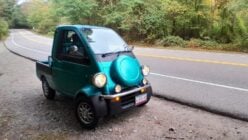
In his case, that meant shipping a 1996 Daihatsu Midget II across the Pacific and navigating all the paperwork, headaches, and surprises that came with it… but that wasn’t enough!
Now, Obelisk is back with a second JDM import: a 1998 Suzuki Alto Works. It’s another car with deep roots in the Gran Turismo series, and another one that comes with its own unique set of joys and frustrations to report on.
What follows is the latest chapter of his experience living the dream…
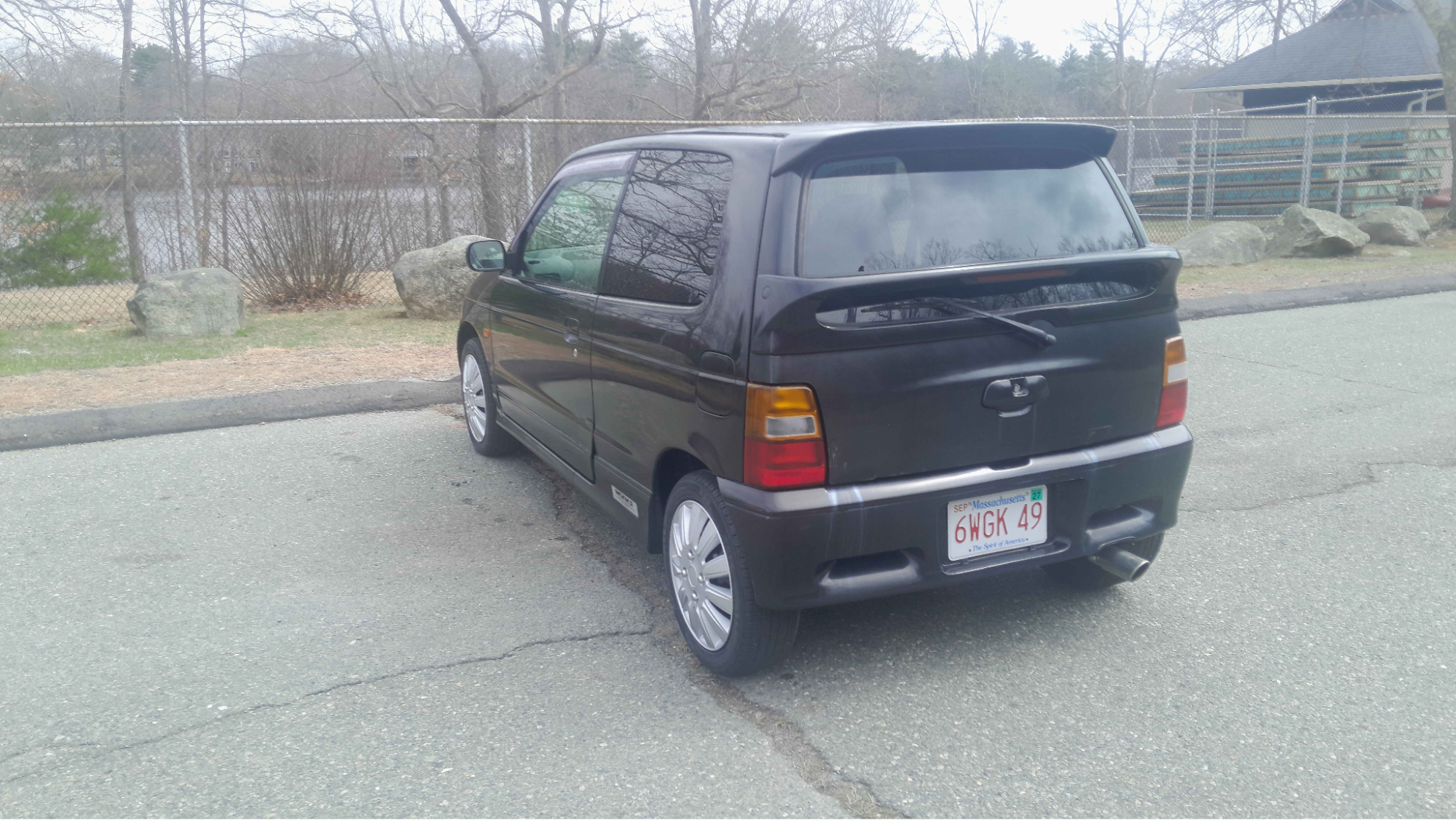
What is it?
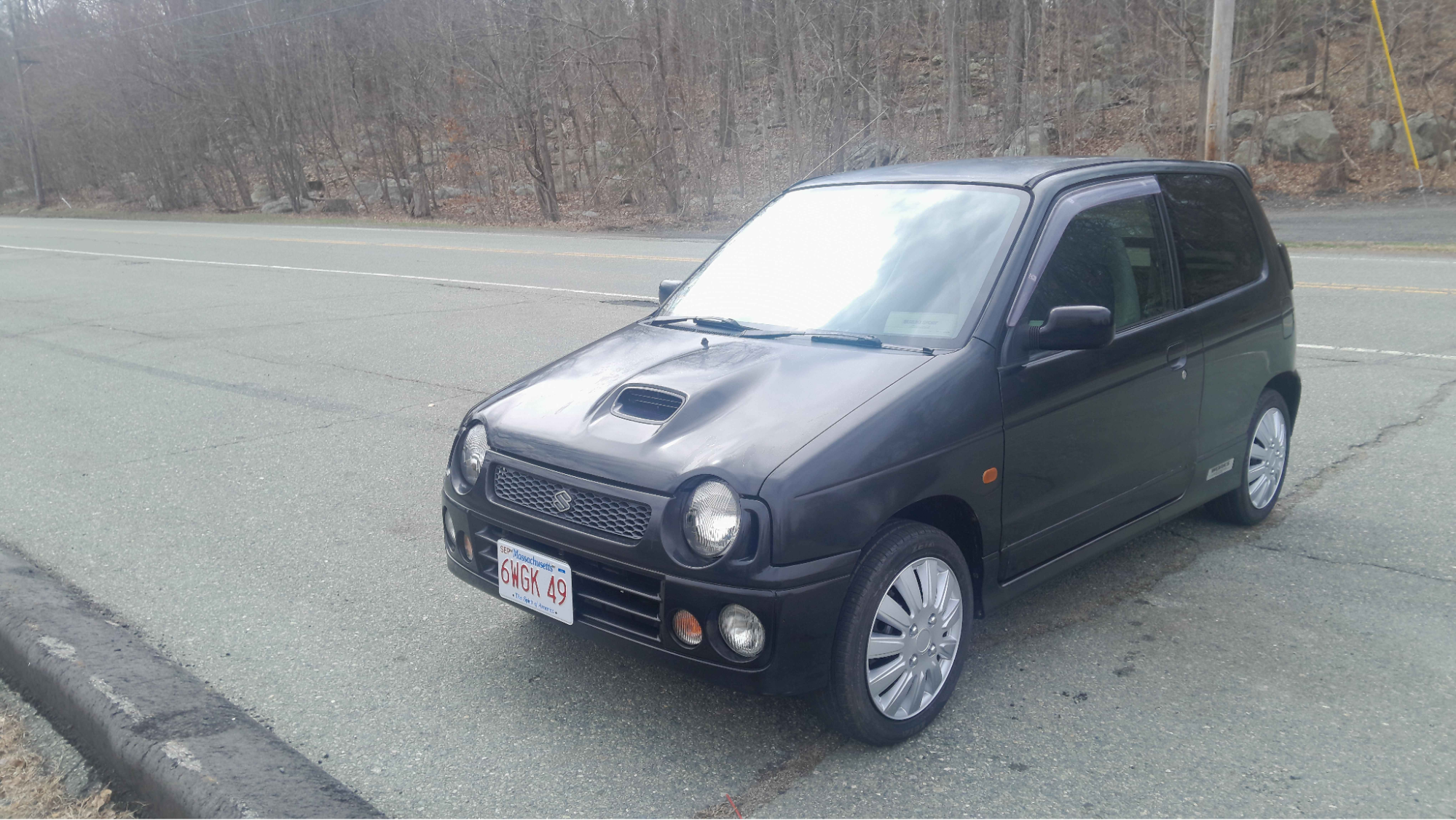
This little box is a 1998 Suzuki Alto Works ie/s. For the readers who aren’t familiar with Gran Turismo or kei cars, that probably doesn’t mean much. To understand the Alto Works, we need to take a step back and look at how it came to be.
The Suzuki Alto, the car that the Works is derived from, is a three- or five-door kei hatchback that has been in continuous production since 1979. The Alto is a very successful model and remains one of the few kei cars to thrive in export markets. Some readers might recognize the Alto in their local markets as the Maruti 800, Maruti A-Star, Suzuki Cervo Mode, or Suzuki Mehran, to name a few examples.
With the success of the Alto came the birth of the Alto Works, the seeds of which were planted with the Alto Turbo in 1984. It was the culmination of two years of improvements and additions to the Turbo which led to the debut of the Works in February 1987. That car immediately made history as the first kei car to hit the 64 PS (63 hp) legal limit.
Since then, the Works has consistently been a popular option for consumers — and, surprisingly, rally teams in the 1990s. It remained in production until around 2020. There is currently no word on whether a new Works is coming for the current generation.
If it helps with understanding the relationship between the Alto and the Works, the Works is conceptually similar to a WRX STi or a GR Corolla.
Why did I get mine?
Some of you might remember that this isn’t my first foray in owning a classic kei car. I previously wrote an article here about my 1996 Daihatsu Midget II, a car that I still very much adore and drive frequently. That begs the question: why an Alto Works?
Admittedly, it was a bit of a lucky strike. At the time that I encountered the Alto Works, I had been in the market for a support and errand car — something that I could use to bring my tools and tires to autocross events, then drive home with a haul of groceries.
I’d already fallen in love with keis thanks to Gran Turismo, and that compounded further once I started frequenting car shows over the course of 2024 and early 2025. I encountered quite an array of makes and models over that time span, including an astonishing number of kei trucks and vans. That experience convinced me that my ideal support car ought to be a kei box. The Alto Works happened to be in the right place at the right time, at the right price, so I pulled the trigger.
How did I get mine?
This Alto Works was imported in late 2024 by a JDM importer in New Hampshire. I bought the car in March 2025 for $5,700.
Buying it stateside meant the biggest hurdle had already been sorted out: the car has legal provenance in the United States. That enabled both the Massachusetts RMV and my insurance provider to recognize it and issue paperwork. I wish I could say registration was easy, but my local RMV struggled with the paperwork due to the atypical VIN. For a little context, Japanese domestic-market cars use an 11-digit VIN instead of a 17-digit VIN, as is standard in the US, so it trips up computer systems and RMV clerks alike.
I can at least say it was easier than trying to register my Midget II.
What makes it go?
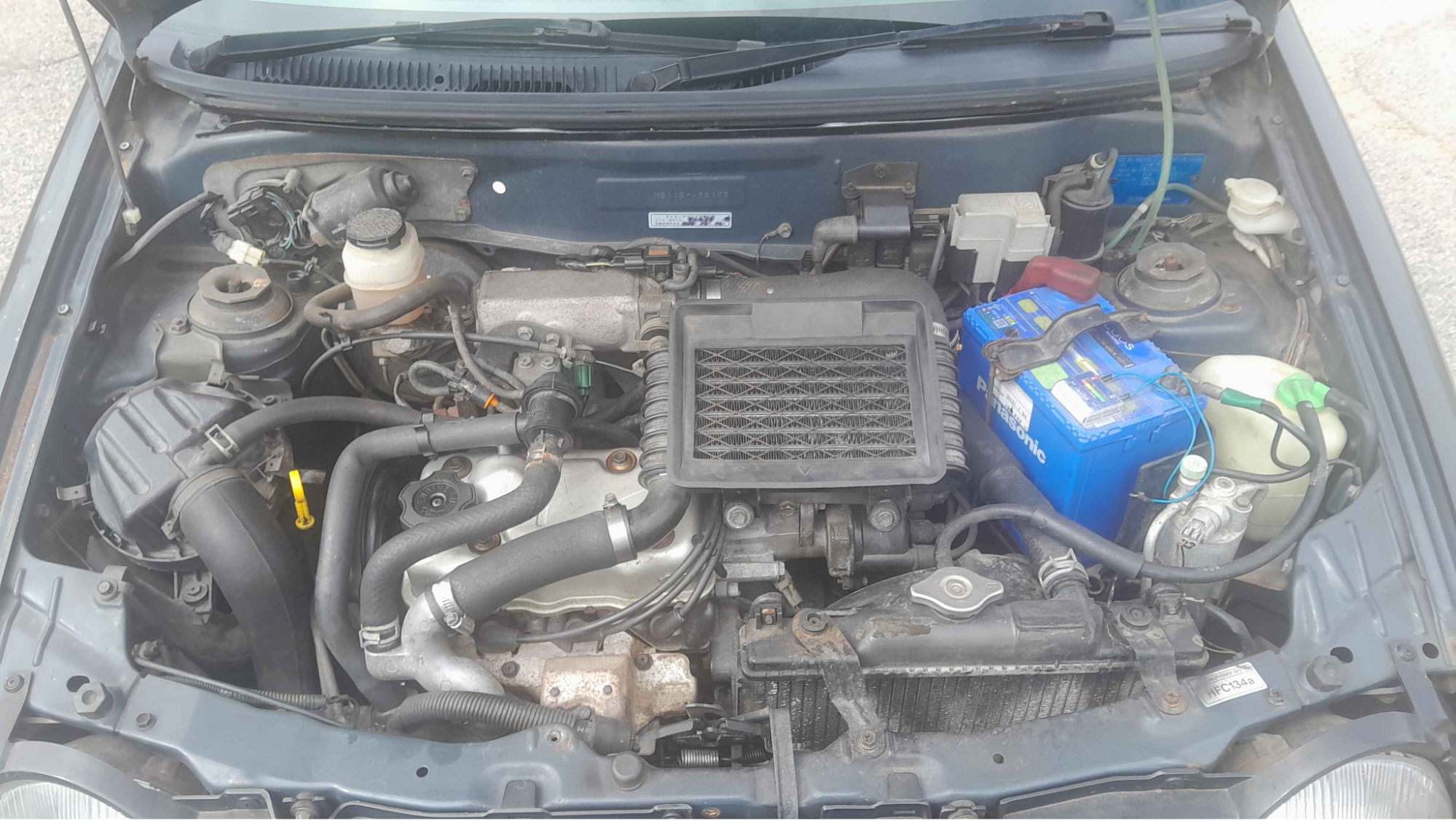
The fourth-generation Alto Works, the HA11/HB11 chassis, is powered by a SOHC turbocharged F6A, producing 63 hp @ 6,000 rpm and 72 ft-lb @ 4,000 rpm. On the 3-speed automatic (3AT) examples, the redline is roughly 7,400 RPM.
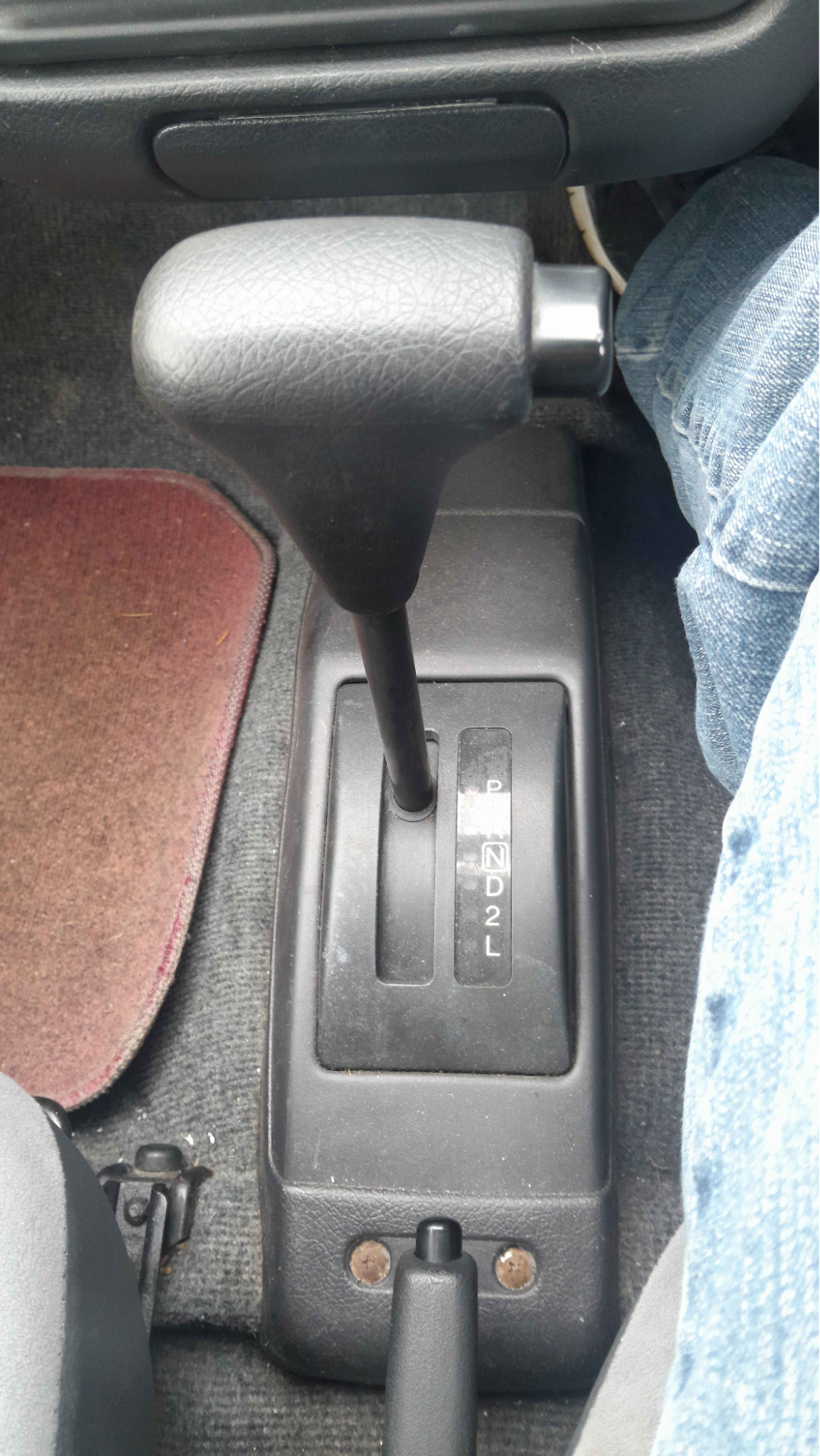
The Alto Works could be had in either a 3-speed or 4-speed automatic, depending on trim; a 5-speed manual transmission was available across all trim levels.
Our example Alto Works is an all-wheel drive model (HB11; HA11 is FWD only) with the 3-speed automatic. It’s mated to a viscous coupling transfer case that transmits power to the rear axle when wheel slip is detected, similar to the Haldex-style systems found in many modern AWD cars.
Unfortunately, I can’t comment on the efficacy of the all-wheel drive. The ring and pinion gears in this example Alto suffered a catastrophic failure, and the car had to be converted down to FWD to keep it on the road. More on that later.
What I can tell you is that this car’s gearing is rather short, with top gear running out at about 84 mph. It’s highway capable, but I wouldn’t recommend long stints over 70 mph.
This example Alto Works also has a custom exhaust fitted that increases airflow, which is worth noting since it lowers the turbo spool threshold. Under normal driving loads, the turbo will spool at around 3,100 rpm and continue to pull all the way to 6,500 rpm. In a stock Alto Works, the spool-up might be closer to 3,300–3,500 rpm.
Fuel economy leaves much to be desired. At present, the car is averaging somewhere between 22 and 24 mpg. Paired with the 6.6-gallon tank, that gives the car a rather disappointing range of 145 miles. Granted, the engine is still being broken in after a very long rebuild. Compounding the issue is the time of year, as gas stations are still supplying winter-blend gas. Once the engine has more miles on it and summer-blend gas becomes available, that average should shift towards 30 mpg.
A word of advice for Stateside kei enthusiasts: the safest choice for running a turbo kei is premium fuel, preferably 93 octane. While these cars could be run on regular fuel (87 octane), it’s not a good idea given the age of the engines and the added pressure of a turbo.
What’s it like to drive?
This Alto weighs 720 kg, so the overall feel is very, very responsive. The car was driven on two different sets of tires and wheels: 13″ Weds TEADs paired with 155/65R13 Blizzaks, and 14″ steelies paired with 165/55R14 Zeta Verdants.
I found that I much preferred the feel of the car when equipped with the steelies/Zeta combination, as it absorbed the road much better and settled the car more than the super light Weds did. Despite the added weight, I didn’t notice any meaningful impact to the car’s acceleration or braking.
The suspension is quite firm for the size of the car, which helps with responsiveness, but it doesn’t exactly inspire confidence over less-than-stellar road conditions. Unfortunately, “less than stellar” describes the majority of the roads in Massachusetts.
When the Alto Works is given a chance to shine, it is a brilliant little car: easy to place exactly where you need it, and it offers enough grip to carry that confidence through the corner. The center of gravity is far lower than the dimensions would have you think, and the car is a riot to drive at the speed limit.
The 3-speed automatic, a typical torque-converter setup, is surprisingly good. The Alto pulls well from a dead stop; the early spool of the turbo, paired with the close ratios of the transmission, allows the car to stay comfortably above its boost threshold for most situations. The only issue I noticed is that it seemed a little hesitant to upshift at wide open throttle, but that’s likely due to age.
The only caveat I can note here is that when it’s under the threshold (under 3,000 rpm) in 2nd or 3rd, it can feel a little lazy. That’s to be expected of an older turbocharged kei car, and it’s something you have to learn to live with if you keep yours stock or OEM+.
One of the key benefits of a car this small is that parking is a very simple job. In a place like the United States, where cars are gradually becoming oversized and parking spaces have to keep up, the Alto thrives in parking spaces that are inaccessible to larger machines. It’s especially prevalent in the winter, when snowbanks can encroach several feet into the spaces at the edge of a lot.
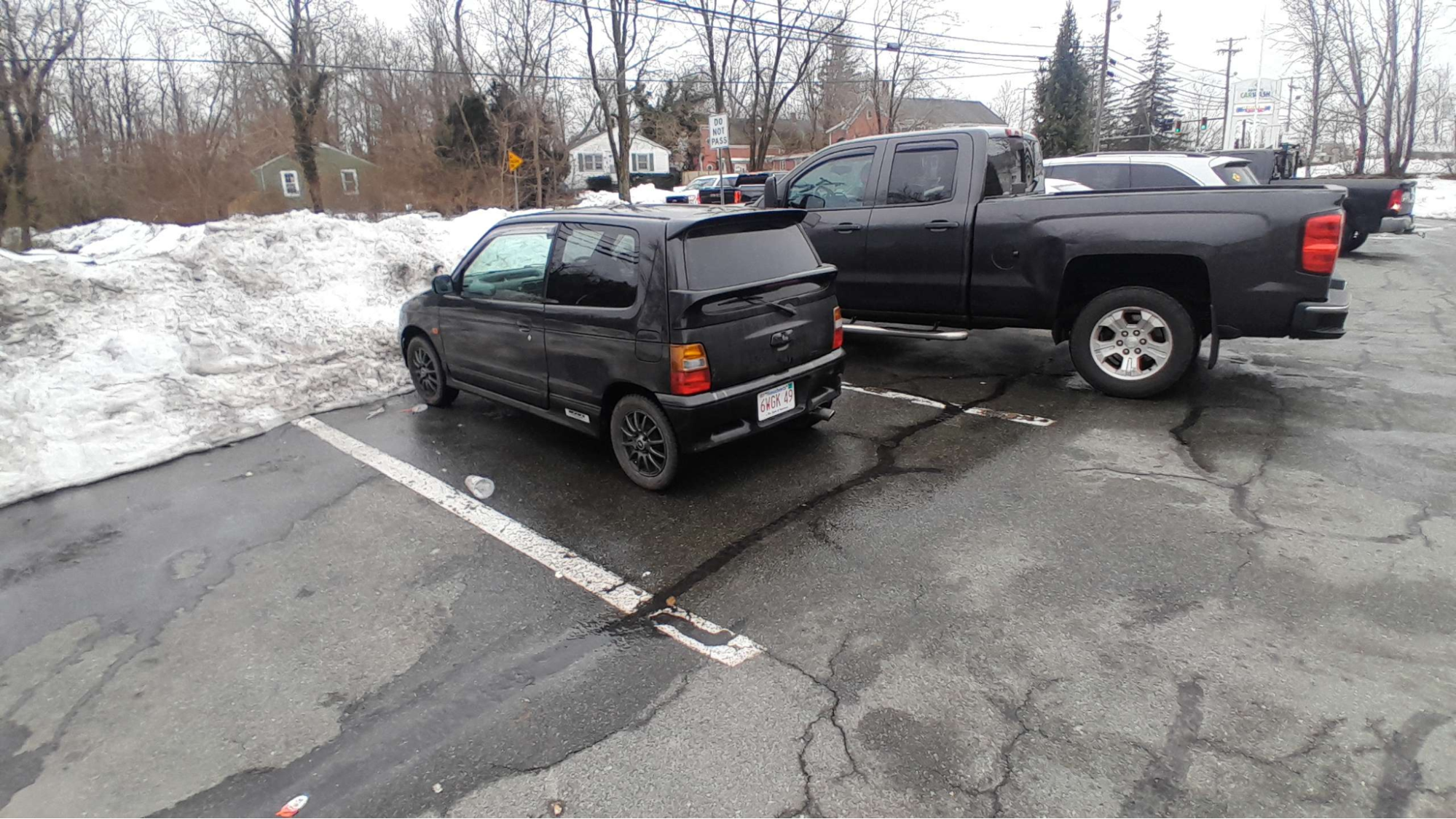
The Alto Works, thanks to its relatively mundane exterior appearance, has a tendency to blend into the crowd of everyday commuters. To an unsuspecting driver, it looks like your average 1980s–1990s economy car; in the public perception, it’d likely parse as something along the lines of a concurrent Geo Metro or Honda Civic.
That being said, people do notice it occasionally. They’ll notice the right-hand drive, or they realize that the car is too small in context because they drive something that’s already fairly small. I had a gentleman approach me at a gas station to ask about the Alto, because he noticed it was smaller than his Honda Fit.
Also, a fair warning: if you want to autocross an Alto Works, you’re not going to have much luck. The car fails the SSF criteria that many SCCA-affiliated groups use when evaluating unknown cars.
And on the inside?
You’ll be pleased to know that, unlike its brethren in Gran Turismo 6 — which famously rendered many cars with placeholder cockpits — this Alto Works has a fully functional interior.
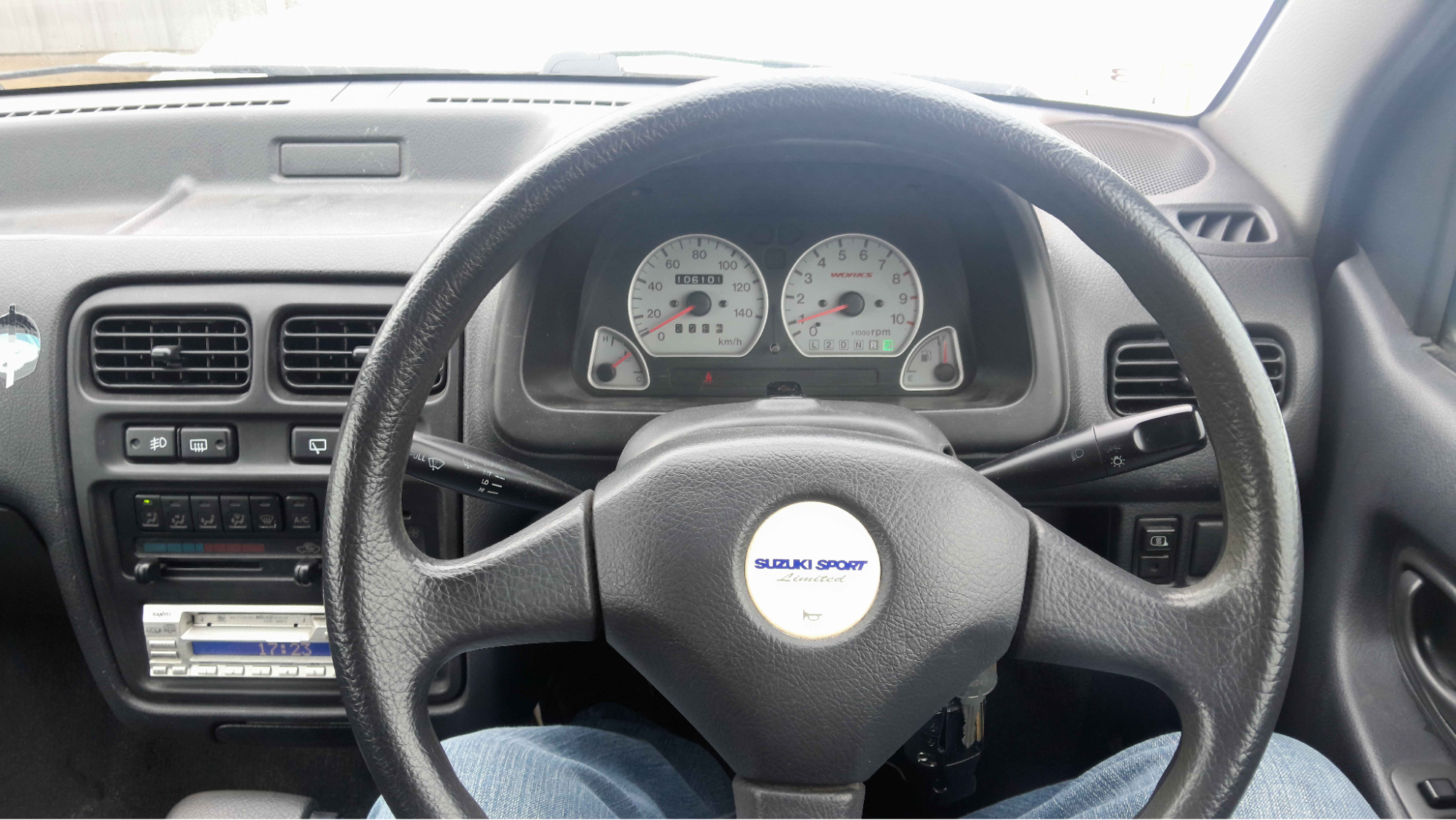
As is typical of most kei cars, economy of space is one of the strengths of the Alto Works. It retains enough space in the front row to fit two very tall people, and the back row has enough space to seat an additional two people.

Egress and ingress for the rear passengers is achieved by pulling the left side front seat forward, and a special pedal is present for the back row to be able to move the front seat as needed.
The overall space in the interior is somewhat tight, but it’s not unreasonable or uncomfortable. I have a few minor gripes with it as a plus-sized individual, but someone shorter and thinner than me might not even notice. I am, admittedly, an edge case for a car like this.
The first gripe: my right arm is against the door card, and I can’t exactly find a good place to rest it when holding the wheel at 9 and 3. At 10 and 2, it’s less of an issue. The second: space between the seat and wheel is at a premium, so I’ve had to develop a small ritual to maneuver myself into the driver’s seat.
The steering wheel itself is surprisingly good. While it doesn’t have the pronounced bumps at 10 and 2 of more modern wheels, it has pronounced finger grooves along the back that make it easy to lock your hands on the wheel. The material is comfortable and grippy, but smooth enough to palm the wheel as needed.
The front seats of this Alto Works are the optional Suzuki Sport Limited seats, made of cloth and more than sufficiently bolstered for spirited driving. They’re more than comfortable enough for my passengers and myself. The rear bench seat is adequate enough for short commutes, but I would not recommend piling four adults into this car for a road trip — it’ll start to feel like the Oregon Trail after a few hours.
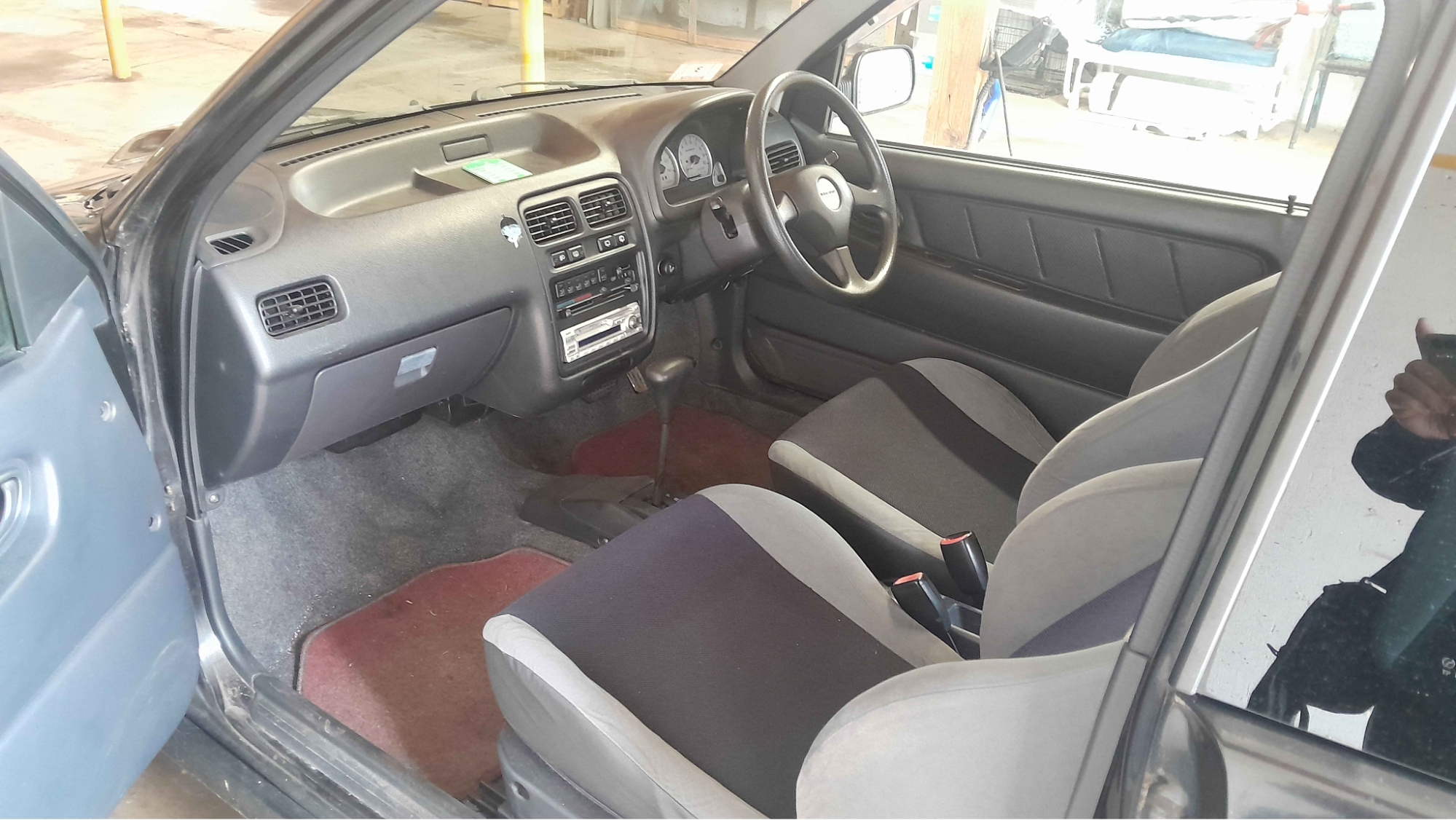
The interior build quality is more than sufficient for a kei car; the car has held together perfectly well after 28 years on the streets of Japan and the United States. As expected for the age and relative lack of soundproofing, this car is constantly feeding noise into the cabin — squeaks, thunks, thumps, and rattles, to name a few.
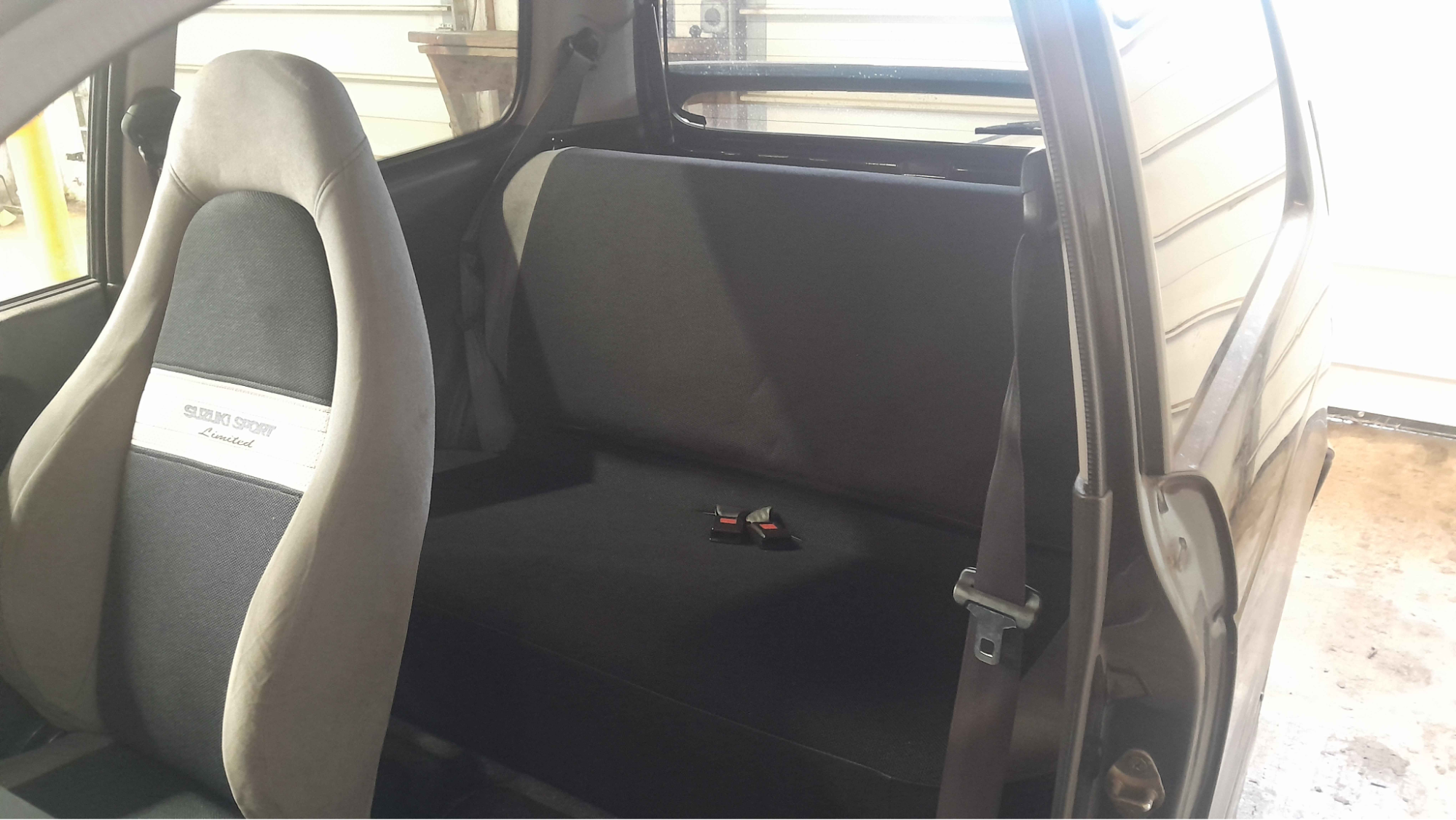
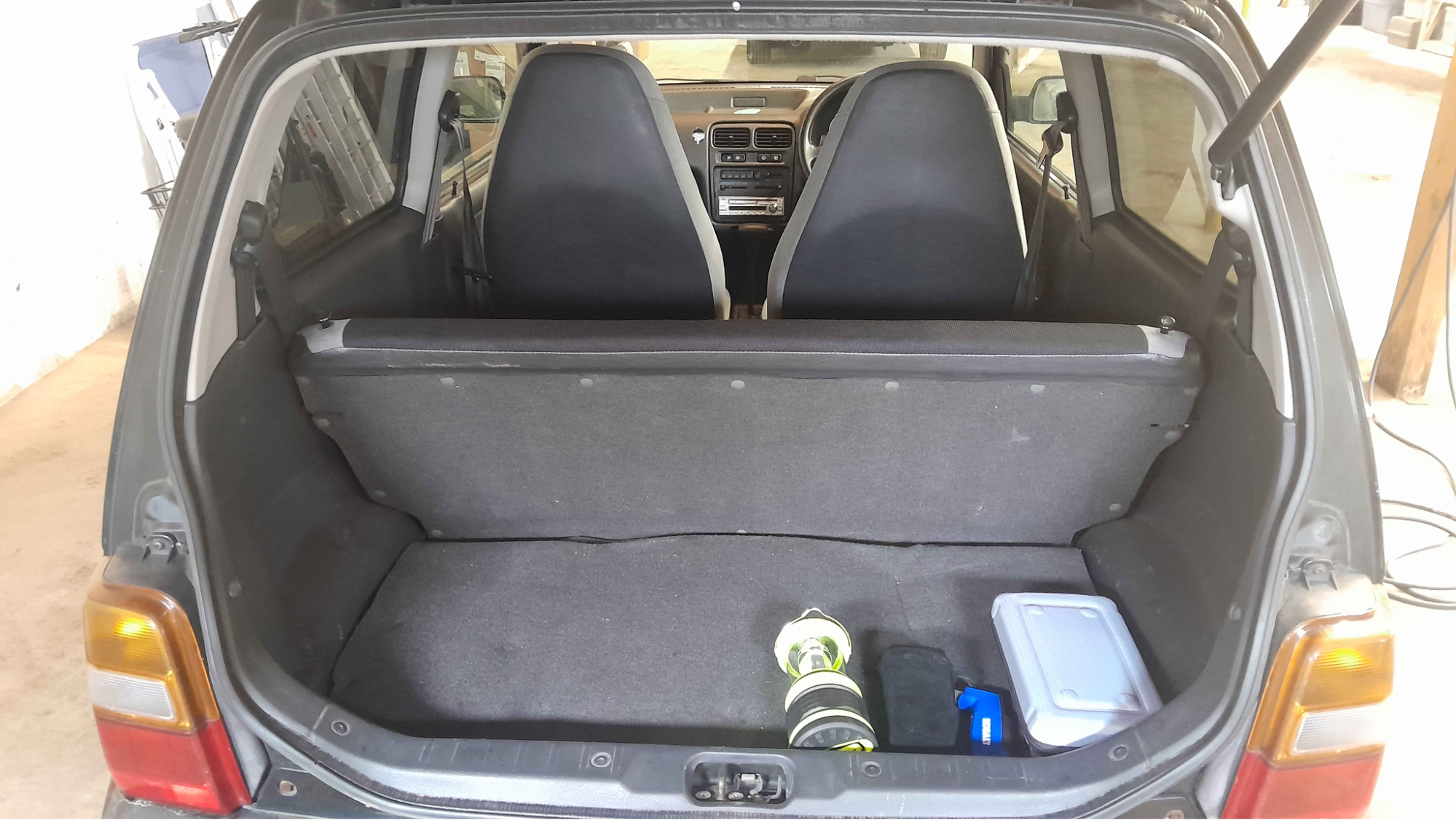
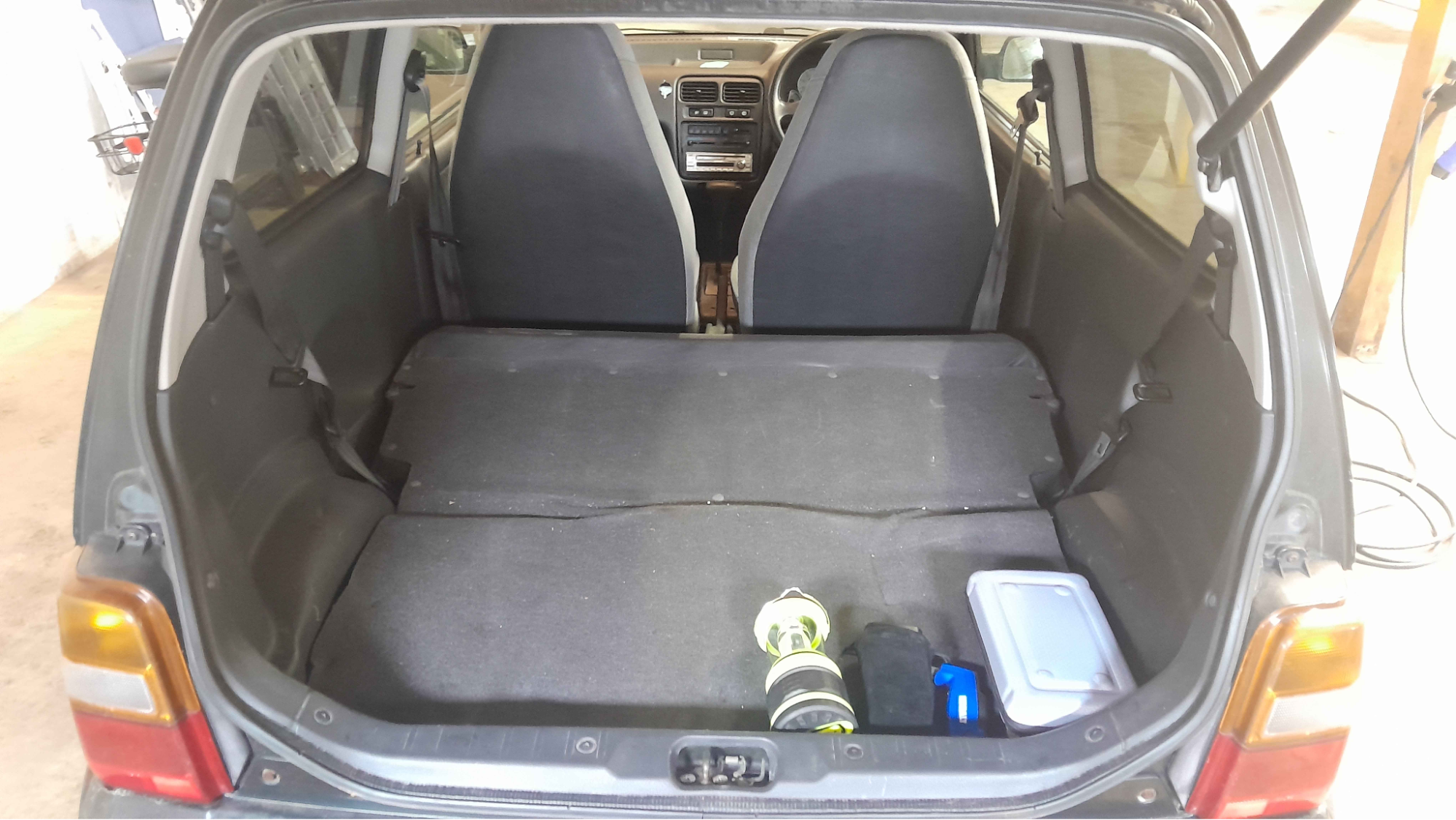
As is typical of a hatchback, the Alto Works retains incredible cargo capacity for its footprint: I can fit about $200 worth of groceries in the boot with the back row up, and $400 or more in supplies with the back row down. But that’s to be expected — after all, a high cargo capacity relative to footprint is one of the selling points for hatchbacks and crossovers.


How much does it cost?
Depending on trim level, mileage, overall condition, and transmission type, you could be looking at a very mild $3,400 for a worn-out automatic example, up to a whopping $25,000 for a pristine, low-mileage manual example.
Our example Alto Works was $5,700 at the time of purchase, for a semi-decent automatic model.
Rivals?
When it comes to the rivals for this car, you can look at it a few ways.
As a practical kei car: The Alto Works competes with cars like the Daihatsu Mira, the Subaru Vivio, and its own sibling, the regular Suzuki Alto. If your needs lean commercial rather than personal, then keitora are part of the conversation.
As a performance kei: The Alto Works sits alongside the ABC trio and other turbocharged keis of the era. The 1994–1998 generation of Works even shares the F6A engine with the AZ-1 and Cappuccino.
You can also look slightly upmarket and compare it — as a used car today — to cars like the NA Mazda MX-5, the contemporary Ford Probe, and the Mk3 Golf GTI. Those cars are arguably better value for money and easier to live with.
As a used car alternative: You’re probably going to find a far better deal locally — and whatever you do find is probably going to be far more practical, more powerful, and more reliable than jumping through hoops for a gray market import.
This is one of the two biggest faults when it comes to imports, especially in the US: for the amount that I’ve put into the Alto, I could have bought a mid-2010s Subaru Impreza or something newer to get all of the same upshots without the gray market downsides.
Verdict?
I love the Alto Works. It’s a solid little machine, and it does a pretty decent job at filling multiple niches at once. For me, it’s a grocery getter, a weekend car, a canyon carver (in spirit), and a convenient show car all at once. And in all of those aspects, it’s a pretty capable car.
I’ll be honest: it didn’t beat every car on paper in the practicality column, but it met my bar for practicality, and that was enough. As previously mentioned, it tends to fly under the radar. It’s only a little bit smaller than a Toyota Tercel. In an everyday driver’s eyes, the Alto Works passes itself off as someone’s cheap beater. You’re not going to be given any special consideration most of the time.
I cannot, as an owner, recommend an Alto Works for many reasons. I believe that you should only seek out an Alto Works if you want that specific make and model — or if you’re like me and just want a quirky, fun little bit of obscure JDM history.
Otherwise, it pretty much loses to a lot of other cars on practicality, fuel efficiency, performance, and general comfort and capacity.
But whatever your reason, if you do get a decent Alto Works, you won’t regret it.
Finally, a word of caution…
I do want to be completely honest for a moment here. If nothing else in this review stuck, then at least let this closing note be something that does.
Gray market imports, particularly JDM imports, are a gamble every single time. Speaking from a US-centric perspective, you’re going to run into a ton of issues from the get-go:
- You will not be able to evaluate the car for faults through a web portal. Your only choice is to have someone on the ground to look over the car, or to trust the seller’s inspection paperwork.
- There is a lot of paperwork and elbow work involved in the import and export of a JDM vehicle. I detailed some of this back when I reviewed the Daihatsu Midget II, but depending on how you purchase your JDM car, you’ll have to:
- Hire an expert in Japan to fill out the export paperwork, schedule the transport, and arrange the export logistics.
- Hire an expert in the United States who will be able to assist with the CBP, EPA, DOT, and local paperwork that’s required for the vehicle.
- Hire someone with clearance for the destination port in order to verify and collect the car.
- Hire a mechanic — or put in the elbow grease yourself — to evaluate the condition of the car when it arrives.
- You will not know the service history of the vehicle. Japan does not have a Carfax equivalent. Japan’s Shaken inspection is only valid for the first two years of the vehicle’s life.
- Gray market imports are, nine times out of ten, sold as-is. Even good-faith sellers and importers can get royally screwed because someone in the ownership chain beat on the car and didn’t do any work to maintain it.
- Cars of this age and type run a huge risk of OEM and aftermarket parts drying up entirely, which can make maintenance and replacement work an increasingly costly affair. My rule of thumb is: the weirder the car is, the weaker the supply chain is 10–20 years on.
- Local regulations might vehemently disagree with the car on account of it being a gray market import, and you might be blocked from insuring and registering the car.
I bring all of this up due to the history of the example Alto Works in this review. As best as I can gather, the car’s maintenance was significantly deferred during its last few years in Japan, which included a ton of crucial wear components. It was okay during its time with the seller in New Hampshire, but fell apart the moment I got my hands on it. In April of 2025, the spark plugs failed catastrophically in Cylinders 1 and 3, which subsequently destroyed a valve, scored the piston and walls of Cylinder 1, and necessitated a total rebuild of the engine.
In November of 2025, the bearing for the transfer case pinion gear also catastrophically failed, causing the pinion gear to misalign and crash against the ring gear. That caused the entire drivetrain to bind, which led to the engine being unable to turn at all. That incident left me stranded in the middle of a blind corner in Connecticut.
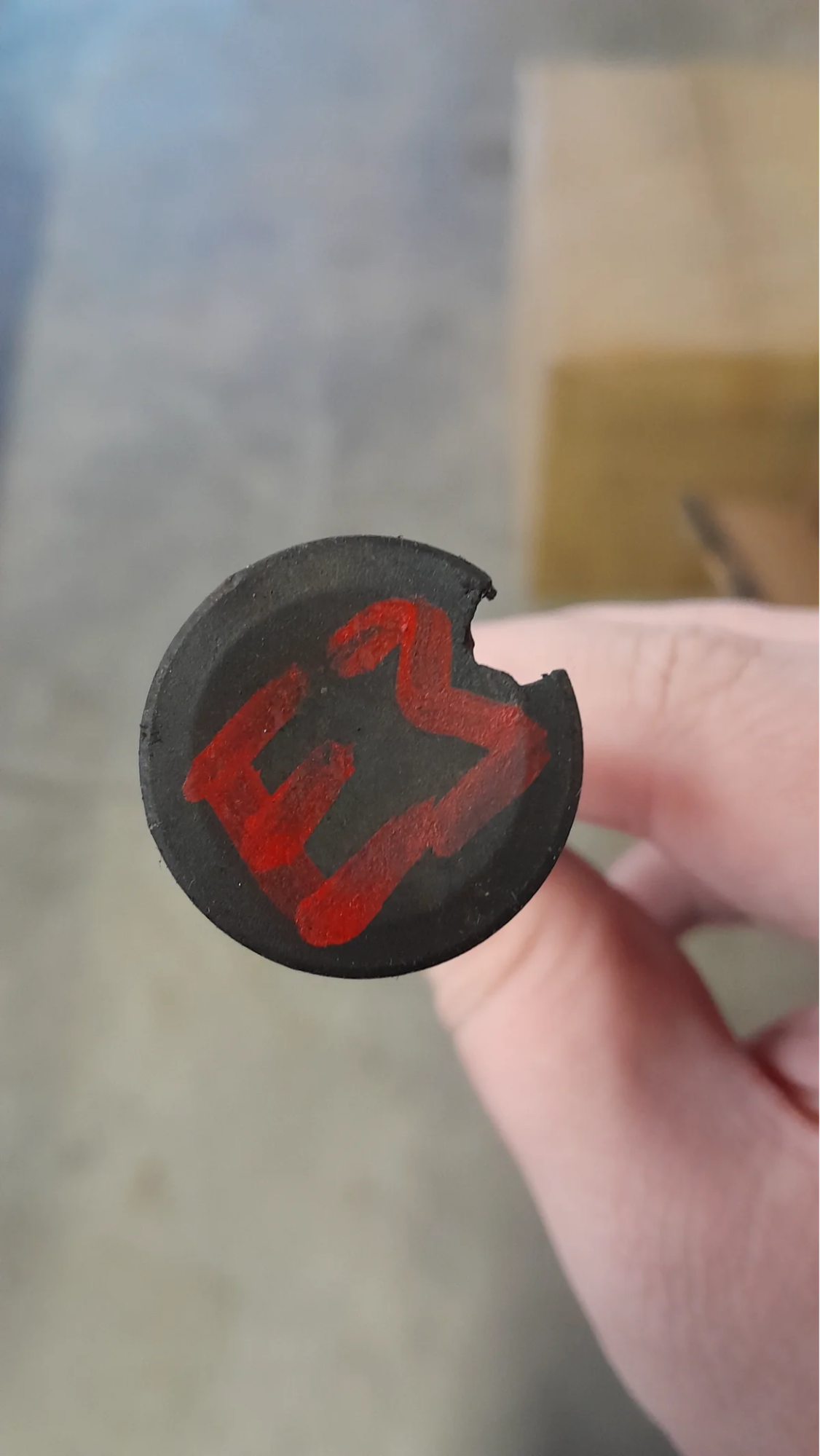
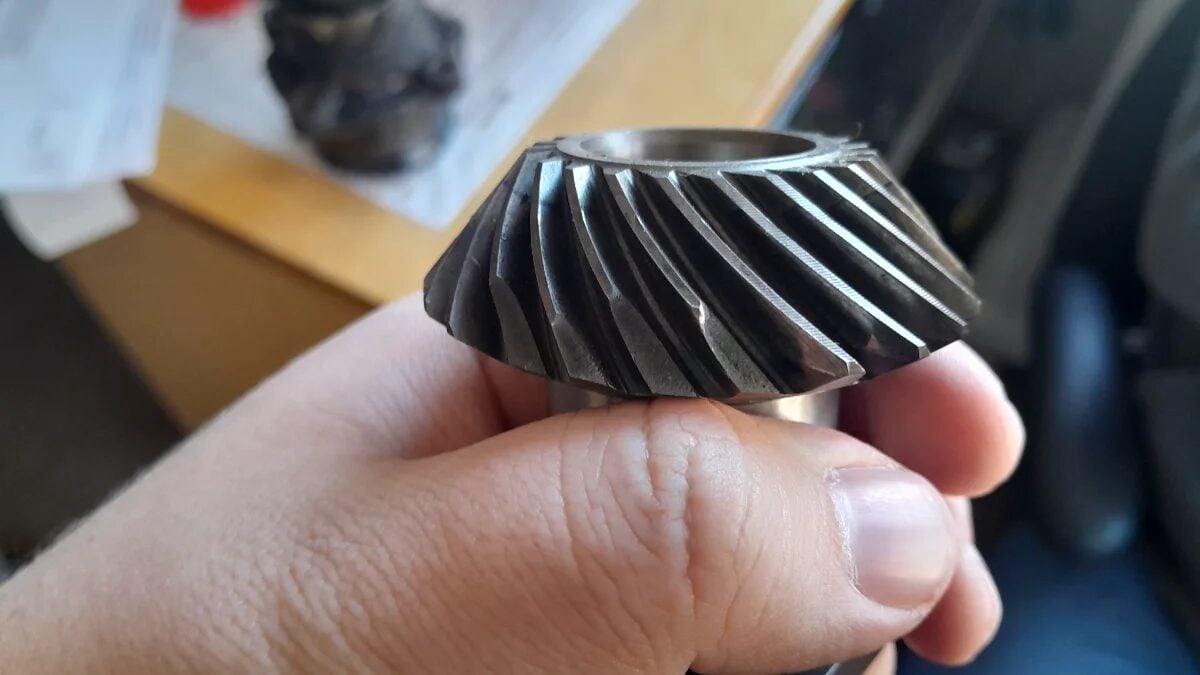
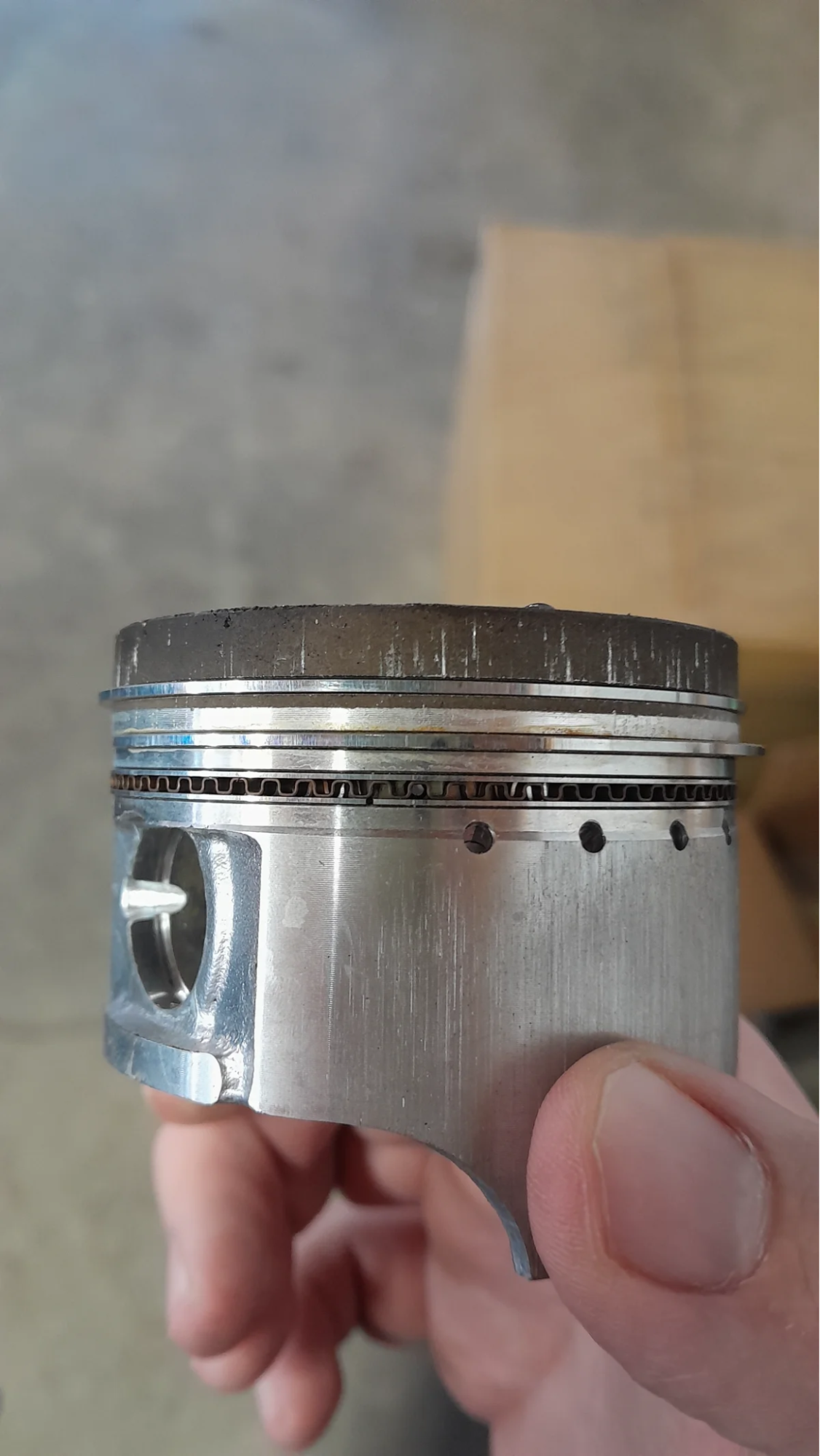
In addition to the transmission and engine failure, the exhaust rotted through entirely. I also had to have three of the four brakes rebuilt because they were all seized.
All in, I have probably spent over $10,000 on this Alto Works between the car itself and the emergency repairs. That’s $10,000 I could have put into something else.
If you do have your heart set on importing your own car, let me offer you this single piece of advice: go through a repair shop that specializes in JDM cars. They will have all of the resources you need to import the car and will route the car to the shop first. That gives them the chance to inspect the car from top to bottom and triage potential problems before turning it over to you.
If you live in the US Northeast, I strongly recommend JDM Imports CT. They’re excellent mechanics and offer import/export services to help you bring in your dream car.
Please exercise due diligence when looking into your dream cars. If you play your cards right, then meeting your heroes can go over well. If you do what I did and make a blind bet on the car, you’ll probably go through the same problems I did.
See more articles on Road Test Review.