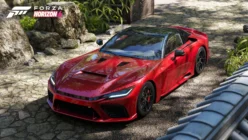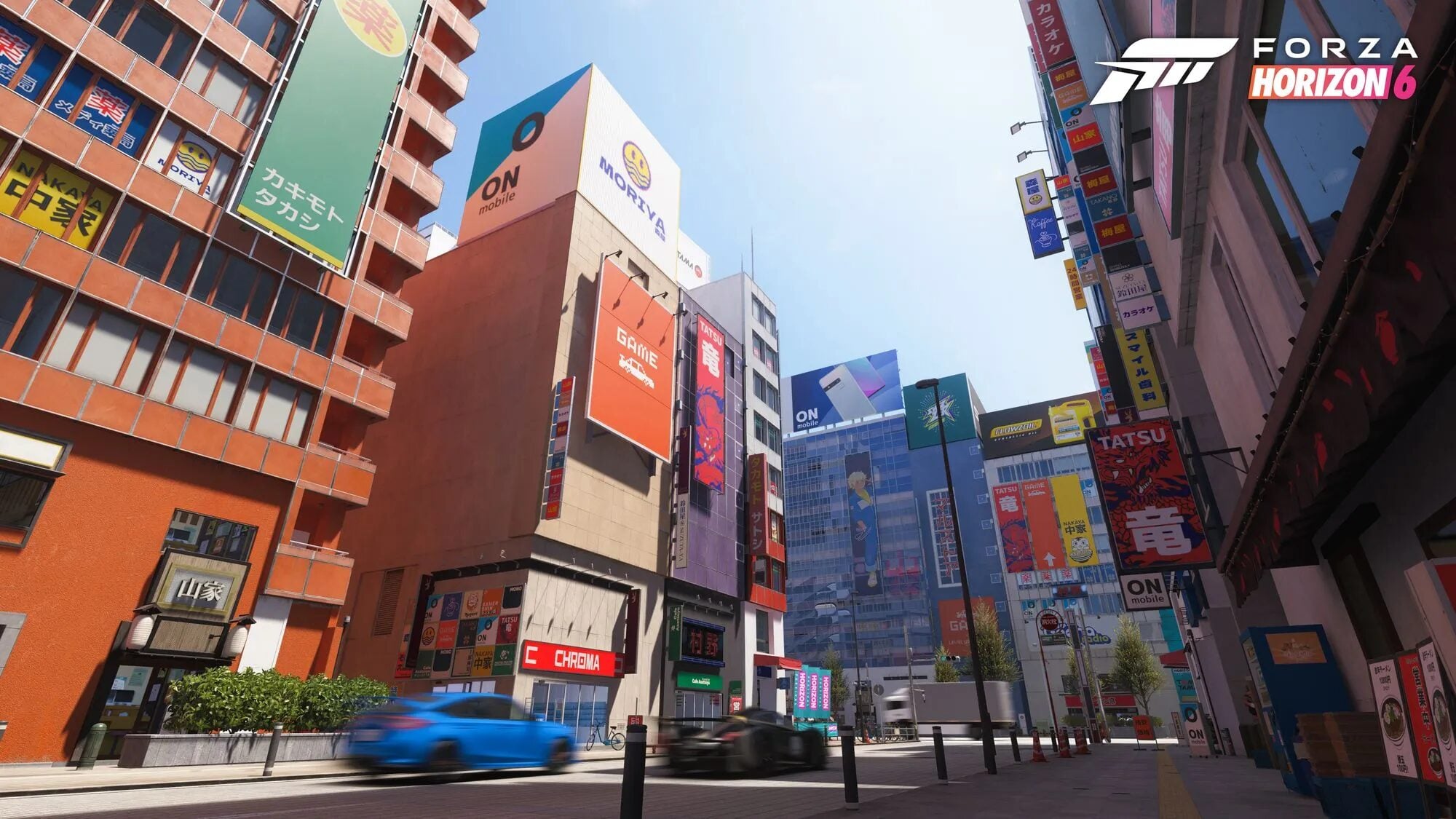
We’re just under two months away from setting foot in Japan in Forza Horizon 6. Set to launch on May 19, the series finally takes place in the most requested location by the community at-large, and excitement is unquestionably at an all-time high.
The upcoming open-world racer has plenty going for it, whether it’s the return of seasons, new time attack and touge events, expanded customization options, or even the return of wristbands — there’s plenty to look forward to.
Now there’s one more thing to add to the excitement: PC system requirements. Playground Games have revealed the game’s minimum and recommended specs for hardware and, as expected, things look to be optimized across the board.
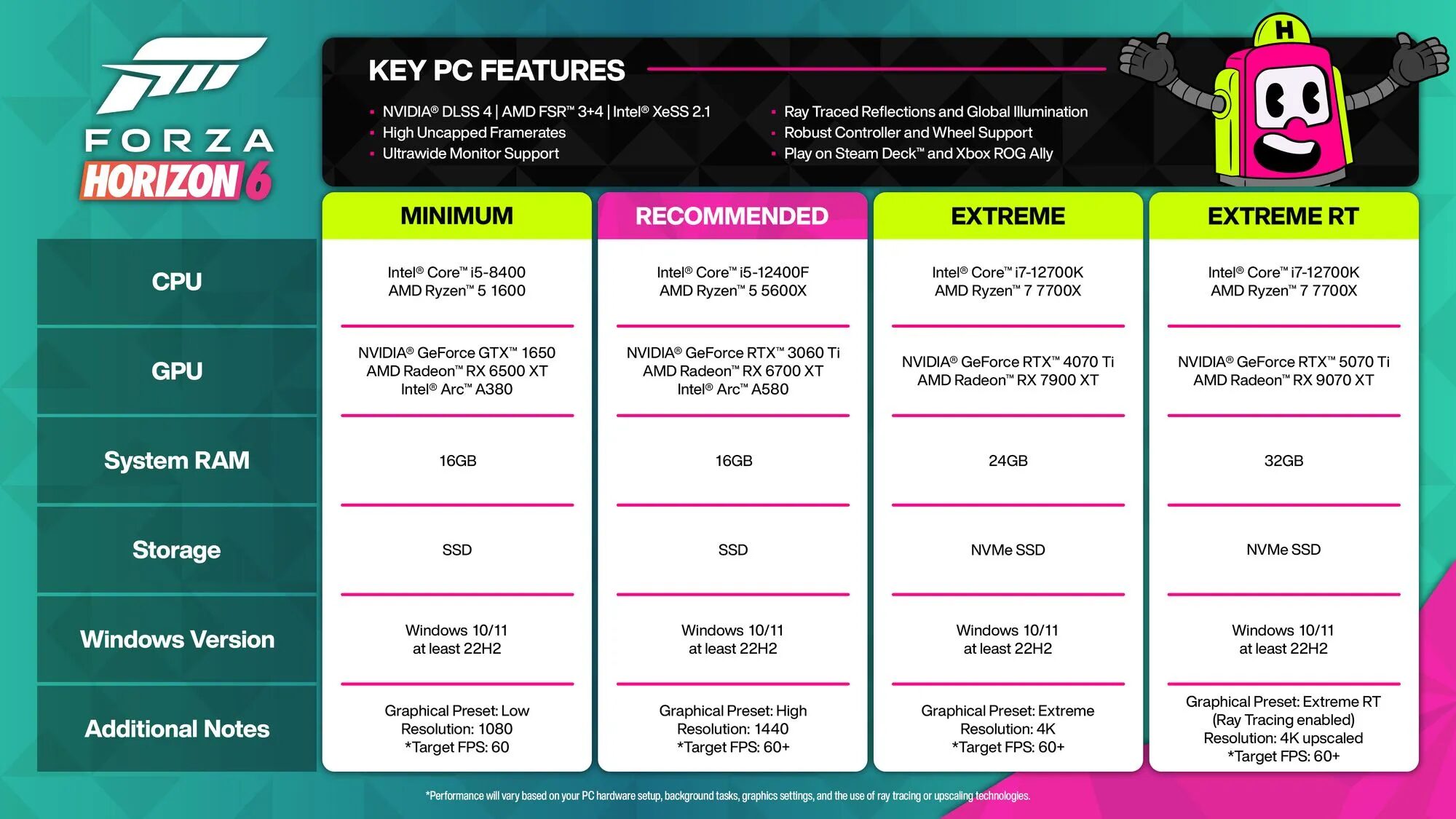
The minimum specs opens the game up to most modern and even older PCs, as both the GeForce GTX 1650 and Intel Arc A380 are, on average, 6-17% slower than FH5’s minimum recommendation of the Radeon RX 470 and GeForce GTX 970.
When it comes to the CPU, anything faster than a Zen 1-era AMD Ryzen 5 1600 or Intel Core i5 8400, both of which sport 6 physical cores, will leave you sitting pretty. This will leave PCs on the lower end ready to play the game without much issue at 1080p on low settings with 60fps.
Recommended settings bump things up into comparative console spec territory, with both CPUs now having 6 physical cores and 12 threads. All three vendor GPUs also take a leap in capability, though system memory remains at 16GB. With the target here being 1440p (2560×1440) and 60fps (or higher should your monitor allow it), the jump makes sense.
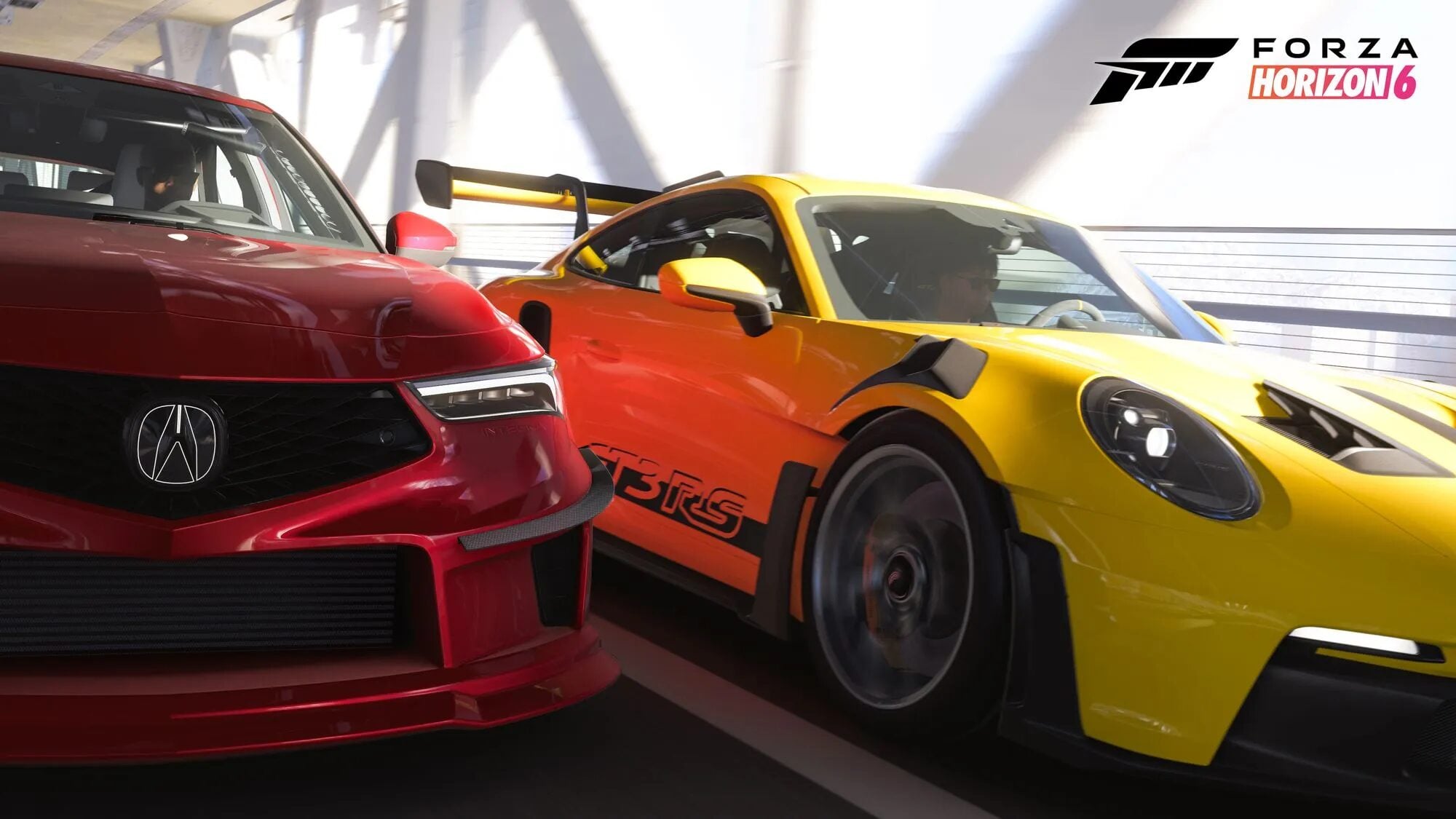
Where things begin to get really interesting are with the Extreme requirements. Here, players will be looking to enable nearly all of the bells and whistles at 4K on extreme settings at 60fps+, and will need a capable machine to boot. CPU requirements jump up to Intel’s 12-core, 20-thread 12700K, and on the AMD side users will be relying on the Zen 4-era 8-core, 16-thread Ryzen 7 7700X.
GPU horsepower takes a considerable leap as well, with the previous gen GeForce RTX 4070 Ti and Radeon RX 7900 XT. System memory gets a modest 8GB bump, from 16 to 24 gigs, as does storage, moving away from SATA-based SSDs and onto NVMe M.2 SSDs. While the amount of space needed on the drives aren’t revealed, we’d hazard a guess that players should keep at least 100GB free to be on the safe side.
Finally, there’s Extreme RT that will allow PC players to go for broke and enable Real-Time Global Illumination (RTGI) and Ray Traced Reflections at 4K. The current-gen GeForce RTX 5070 Ti and Radeon RX 9070 XT headline these requirements, alongside another 8GB bump in system memory, now at 32 gigs.
It is worth pointing out that upscaling is being used, meaning players will have to fallback on Nvidia DLSS, AMD FSR or Intel XeSS. While on the topic, FH6 will support DLSS 4 and Multi Frame Generation exclusive to the RTX 50-series, DLSS Frame Generation for RTX 40-series cards, DLAA and Reflex.
Depending on the card used, AMD users can look forward to FSR 3 and/or FSR 4 support. There will also be support for Intel XeSS 2.1, though we have to wonder if the game will offer future support for XeSS 3 and its brand of Frame Generation.
To make dialing in settings easier, FH6 will now allow for settings to be changed and reflected immediately without having to restart the game. Additionally, there will be live previews for many of the graphic settings, letting players set the differences between them.
For those looking to play FH6 on the go when the time comes, it will be fully playable on handhelds such as the Steam Deck and Xbox ROG Ally. Moreover, thanks to cross-save, in-game progress remains static across all platforms, including the PlayStation 5 version coming later this year.
We can’t wait to put Forza Horizon 6 through its paces and take in the beautiful scenery across Japan. Stay tuned for more on the upcoming open-world racer as it’s available!
See more articles on PC Gaming.