It’s been a busy few months for Straight4 Studios. After a rough start for Project Motor Racing, the team has stayed true to its roadmap, delivering a steady stream of improvements to the game. Today marks the arrival of its most significant milestone yet with the release of Update 2.0 and a new Japanese GT500 DLC pack coming at the end of the month.
Positioned as a foundational step forward, 2.0 introduces a redesigned user interface, expanded physics revisions across multiple classes, and changes to both Career Mode and multiplayer. You can read the official announcement here, or keep scrolling for the highlights.
Physics and Handling
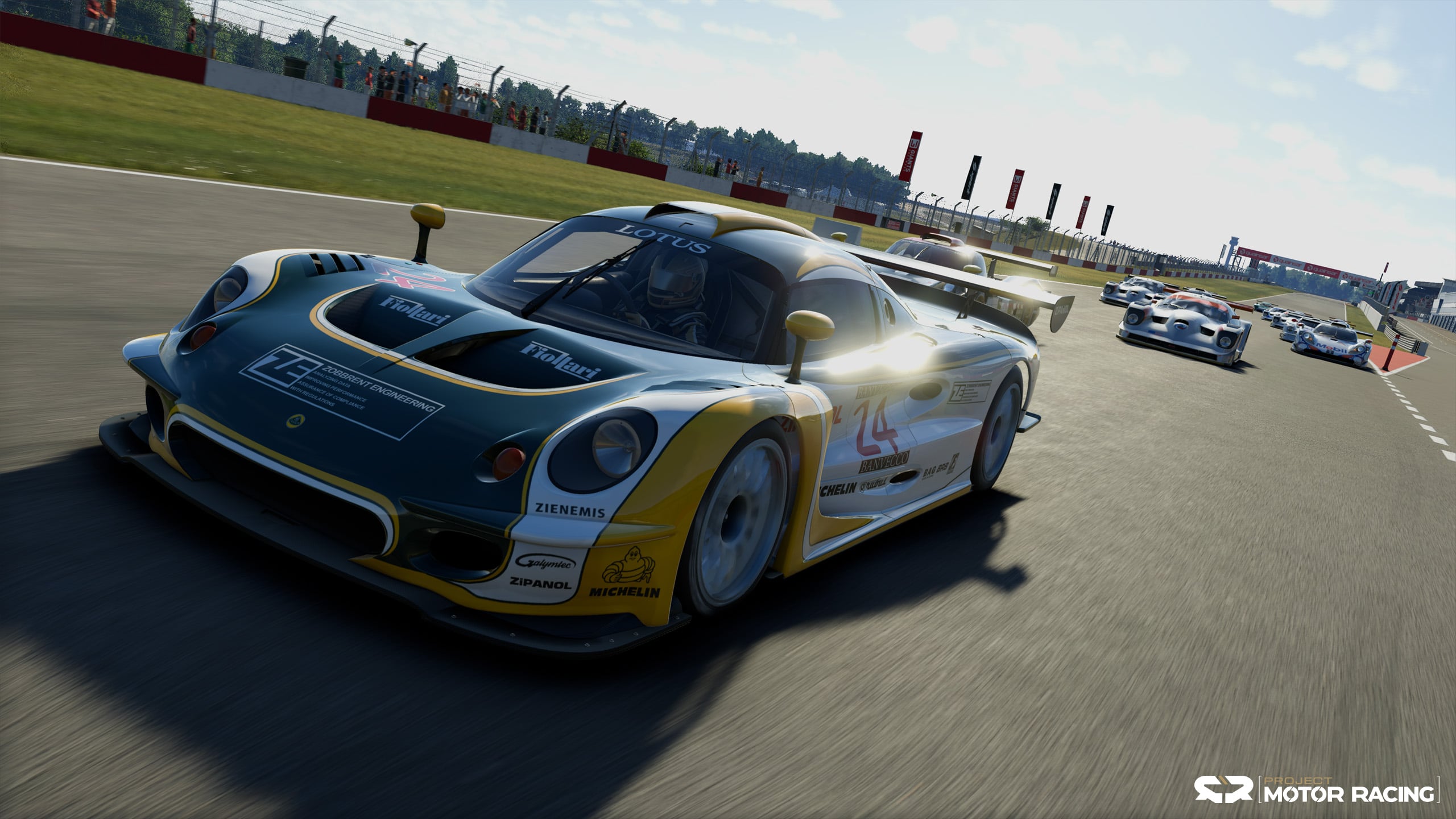
The headline change remains the continued rollout of the revised tire model. What began with GT3 and GT4 machinery now extends further across the roster, including the 992 Cup car, GT and GTE categories, and N-GT, with the latter effectively acting as a benchmark for where the handling model is headed.
That rollout is still incomplete, and it shows in how the update is framed: less a finished overhaul, more an ongoing transition. Regardless, there’s a clear effort to make the cars more readable at the limit and less dependent on guesswork.
The Mazda MX-5 Cup is the showcase of all this work. It’s been rebuilt wholesale, from its differential through to its aero and tire behavior, and serves as a kind of testbed for how far these revisions can go.
Elsewhere, the changes are more incremental: tweaks to traction control, turbo response, balance of performance, and baseline setups across several classes.
Refined Interface, More Telemetry
The user interface has been significantly overhauled. Menus have been reorganized with a clearer hierarchy, and basic navigation actions of jumping between events, cars, and championships is quicker than before.
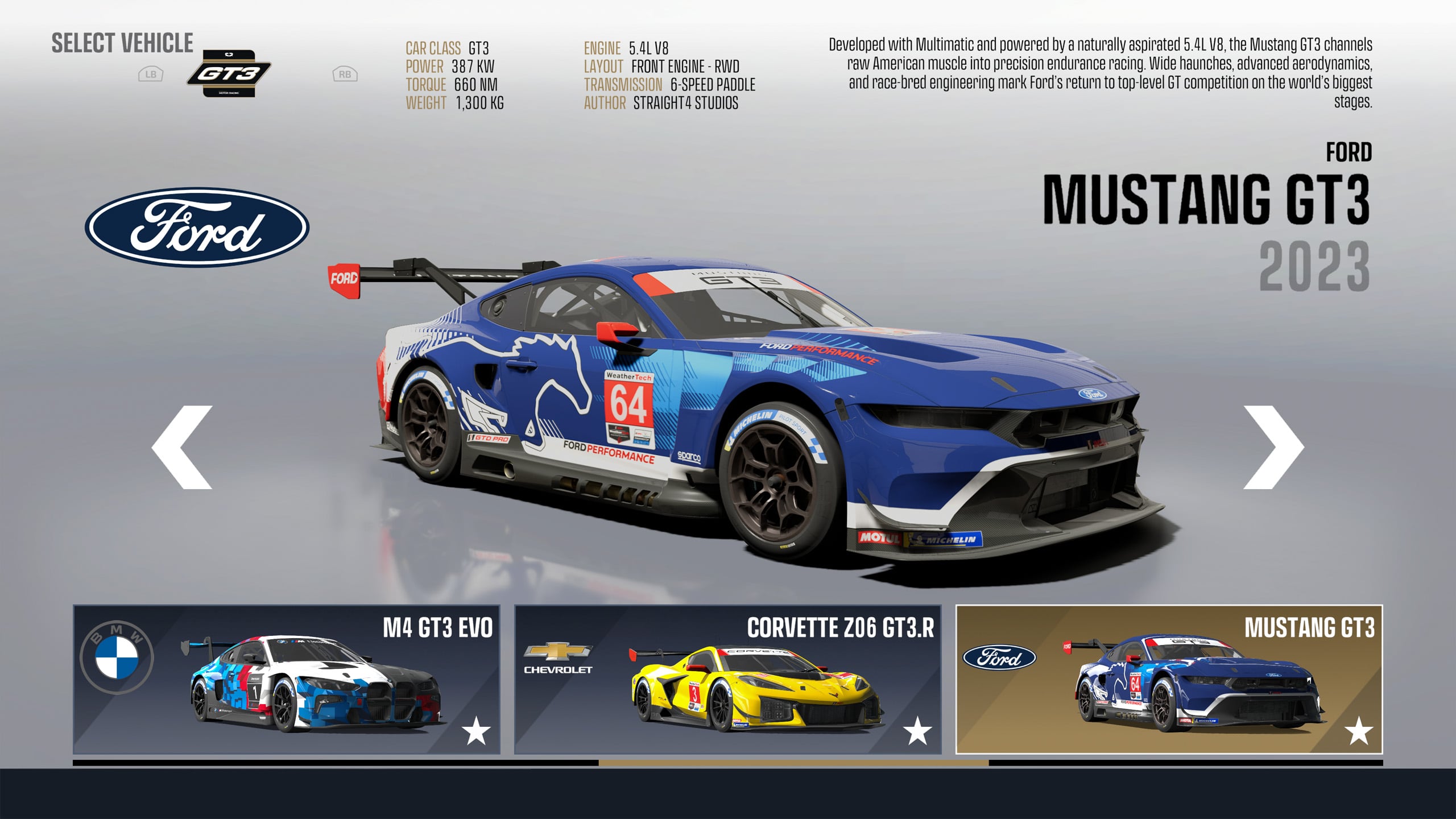
Car selection now takes place in a cleaner, studio-style presentation instead of the old garage backdrop, with more information surfaced up front. There’s also a broader push to explain systems that previously went undocumented, particularly around setups and force feedback.
A new driver profile layer adds some structure to player progression on the front end, while on-track additions like the ECU and FFB widgets give more visibility into what the car is actually doing.

Career Mode Updates
Career mode has been nudged away from its earlier “playlist of events” towards something with more continuity. There’s now a clearer sense of progression, supported by sponsorships, better event framing, and a steady accumulation of milestones.
Podium scenes and trophies add a bit of ceremony, but the more meaningful change is structural as the mode now builds toward a specific endpoint. It’s a small shift on paper, but it provides a greater sense of purpose.

Multiplayer Improvements
Online racing gets improvements, too. Anti-cheat measures have been strengthened, incident reporting sits behind the scenes, and the overall flow of race sessions has been smoothed out.
The License Points system has also been reworked to put more weight on clean driving, with additional requirements gating entry into ranked events. From April 1st, those events will also open up to the full car list, including DLC, which should at least broaden the rotation. Under the hood, collision handling and ghosting have both been revisited.
Refining the Framework
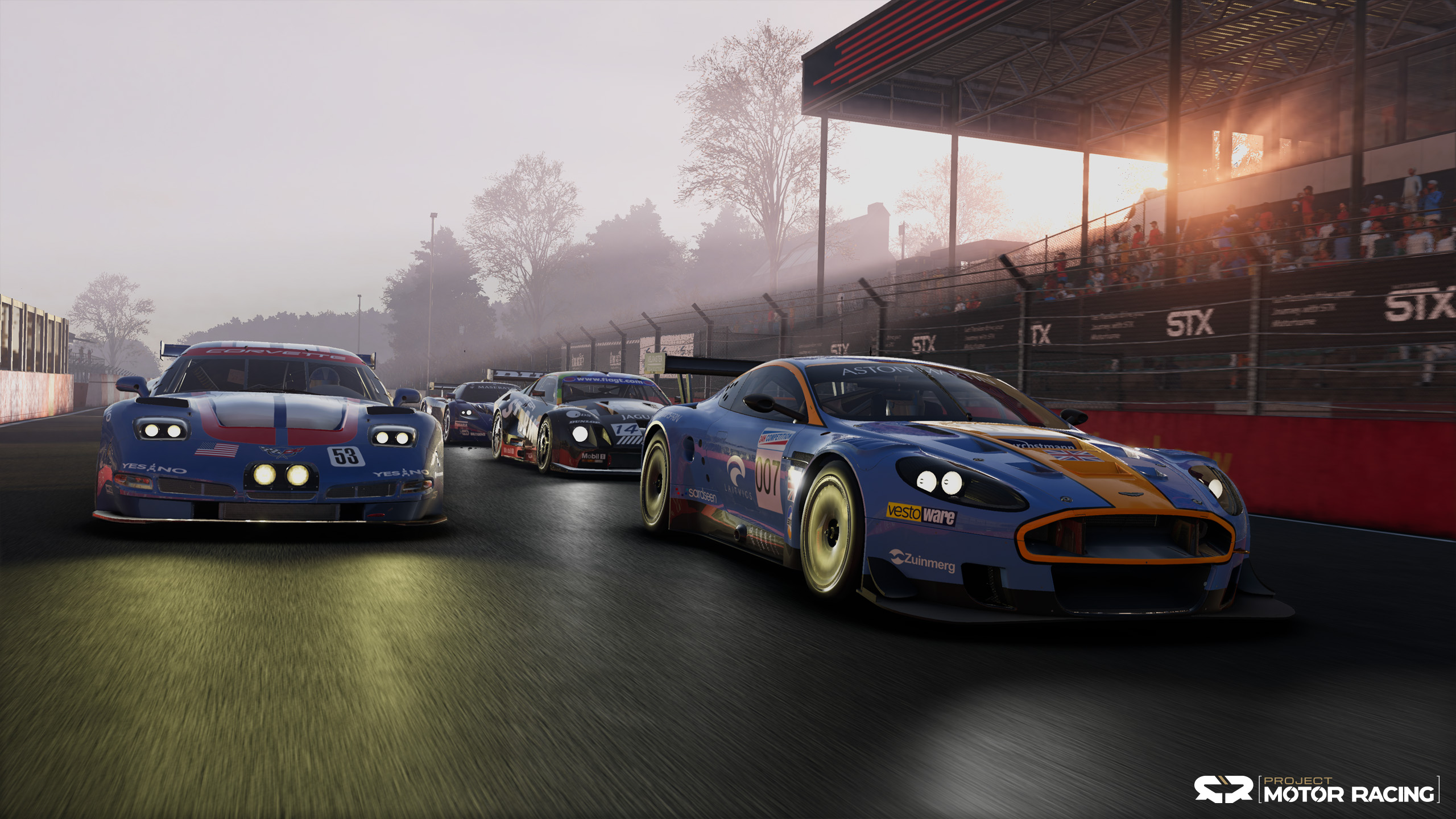
Away from the marquee items, Update 2.0 casts a pretty wide net. AI behavior has been adjusted across multiple classes and circuits, and track environments have seen general improvements in detail and performance, including foliage density and circuit-specific touch-ups like Daytona’s infield.
Lighting has been recalibrated with a more physically grounded approach, and weather conditions have been brought closer in line with that. It’s not a visual overhaul in a dramatic sense, but it does move the game toward a more consistent look across different times of day and conditions.
There are also smaller additions that round things out, including a new race engineer and spotter system, along with the usual collection of fixes and optimizations.
Up Next: Japanese GT500 Paid DLC Pack
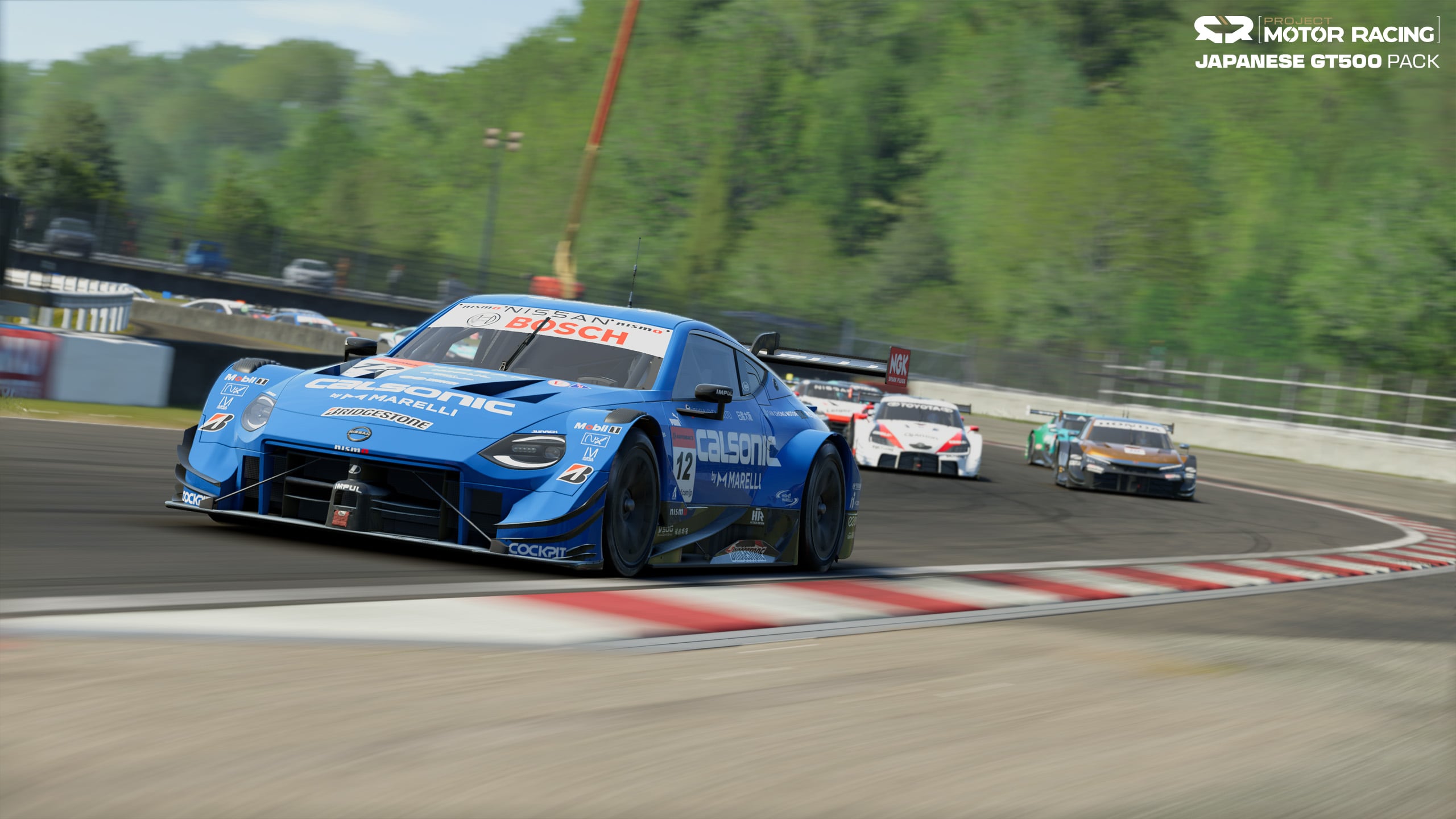
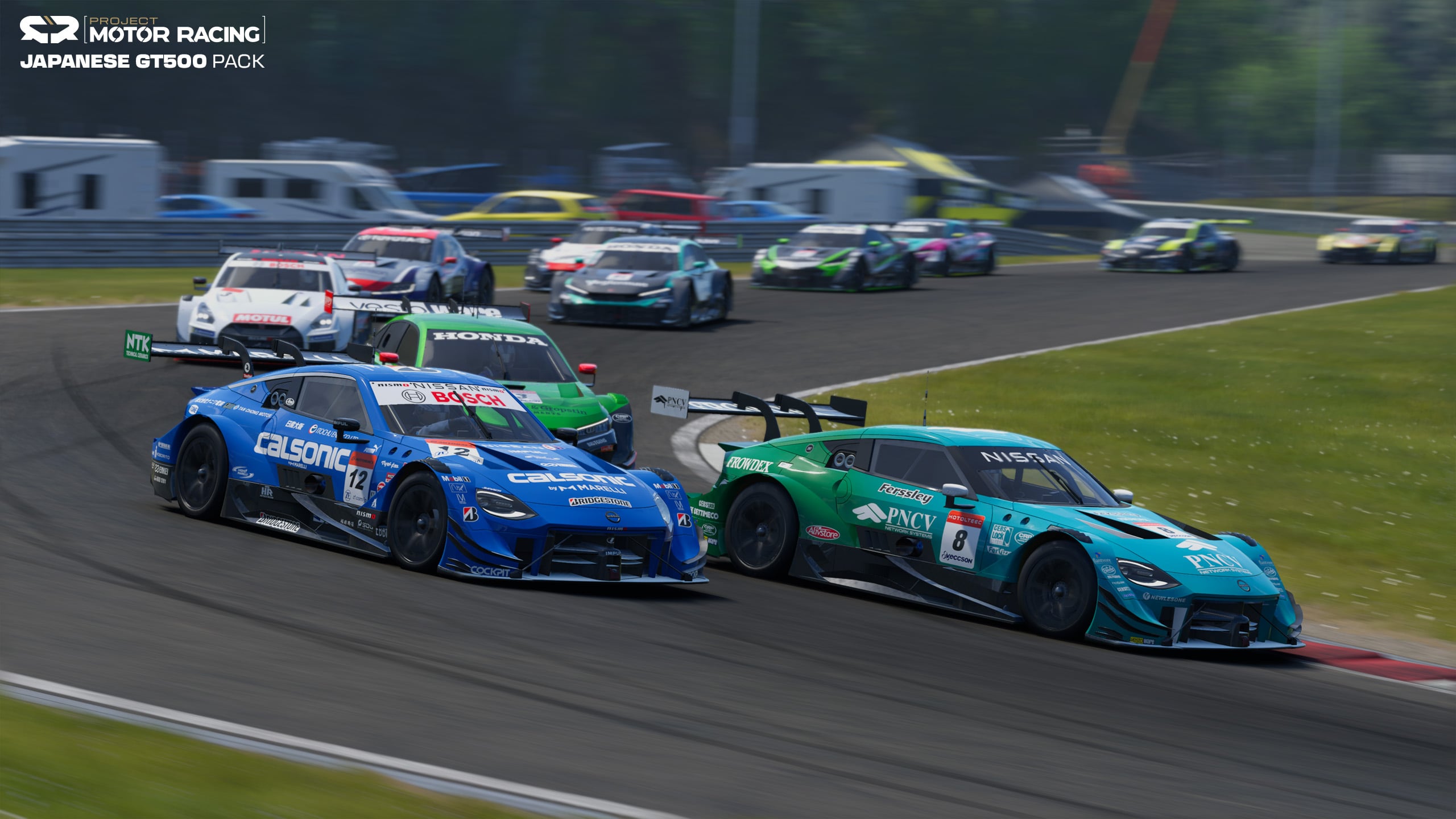
Update 2.0 isn’t arriving on its own for long. On March 31st, the game’s first paid content drop brings SUPER GT into the mix.
The GT500 cars themselves are effectively silhouette racers: carbon-bodied prototypes wearing road-car styling, built around high-downforce aero and tightly controlled hybrid-era regulations.
The pack isn’t limited to the current generation, either. It also reaches back into the JGTC era, adding a handful of older machines that carry less aero and less connection to the modern rulebook. That contrast could end up being the more interesting part of the package, depending on how distinct the driving experience feels between the various generations of cars.
There’s also “a Japanese circuit” included, though the broader significance here is less about the venue and more about what this represents for the sim overall. As a first DLC release, it sets the tone for how far Project Motor Racing is willing to stretch beyond its current focus, and whether it can support something as specialized as GT500 with the same level of fidelity it’s still working toward elsewhere.
Looking Ahead
Update 2.0 marks a significant step forward for Project Motor Racing, particularly in the area of handling and vehicle dynamics. With the N-GT class now serving as a technical benchmark and further updates planned, the direction of the simulation is becoming a bit more clear. While there is still plenty of work to be done, 2.0 finally lays a stronger foundation for the future.