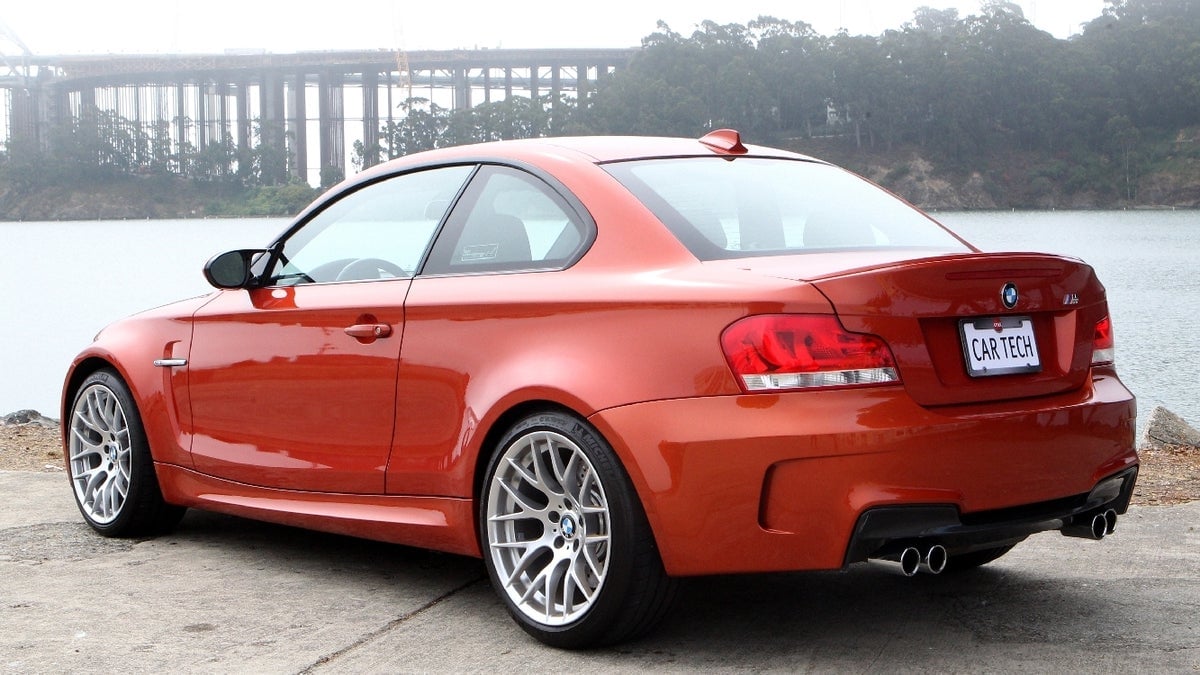
Playing with earplugs might be an option if they get the in-cockpit sound accurate...



maybe in gt 10 ( when Kaz will get an age he will not work anymore )...or if f1 lose official licence for City track 🤣🤣🤣🤣I still dream of Rome and Monaco Tracks...Maybe one Day!


Cars:
When the novel Wankel Engine was presented to specialists and press in the 1960s, many automakers flocked to the smooth and tiny engine that seemed poised to replace the traditional piston engine, but only Mazda managed to achieve any longevity with the finicky contraption, and its first car to feature this new powerplant was the Cosmo Sport, launched in 1967 to immediate acclaim.
Of course, the 2–Rotor Wankel "Rotary" Engine in the Cosmo was the standout feature, but its handling and looks were world class as well. Naturally Aspirated and revving past 7,000rpm, the Cosmo Sport's tiny engine was capable of producing 110PS (81kW) from merely 982cc of displacement, a jaw–dropping specific output figure at the time. Initially coupled to a 4–speed manual gearbox, a fifth forward cog would grace the facelift model just a year later—also an emerging novelty at the time. To prove that its engineers had solved the inherent problems of the Rotary Engine that had plagued all other adopters of the technology, Mazda entered 2 Cosmo Sports into the most gruelling race in the world, the 84 Hours Marathon de la Route, with one car retiring at the 82nd hour with axle failure, and the other finishing 4th.
Owing to this breakout success, Mazda managed to remain independent as an automaker, solidifying its identity as an innovative company that makes fun–to–drive cars, not to mention starting its long and arduous legacy of endurance racing that would culminate to an overall win at the 1991 24 Hours of Le Mans with the legendary 787B racecar. Together with the Toyota 2000GT and Honda S600, the Cosmo Sport proved to the world that Japanese car makers were capable of producing more than cheap and economical transport, and were to be taken seriously in the world of performance.
A facelift Cosmo Sport is maintained and displayed at the Mazda Museum in Hiroshima.
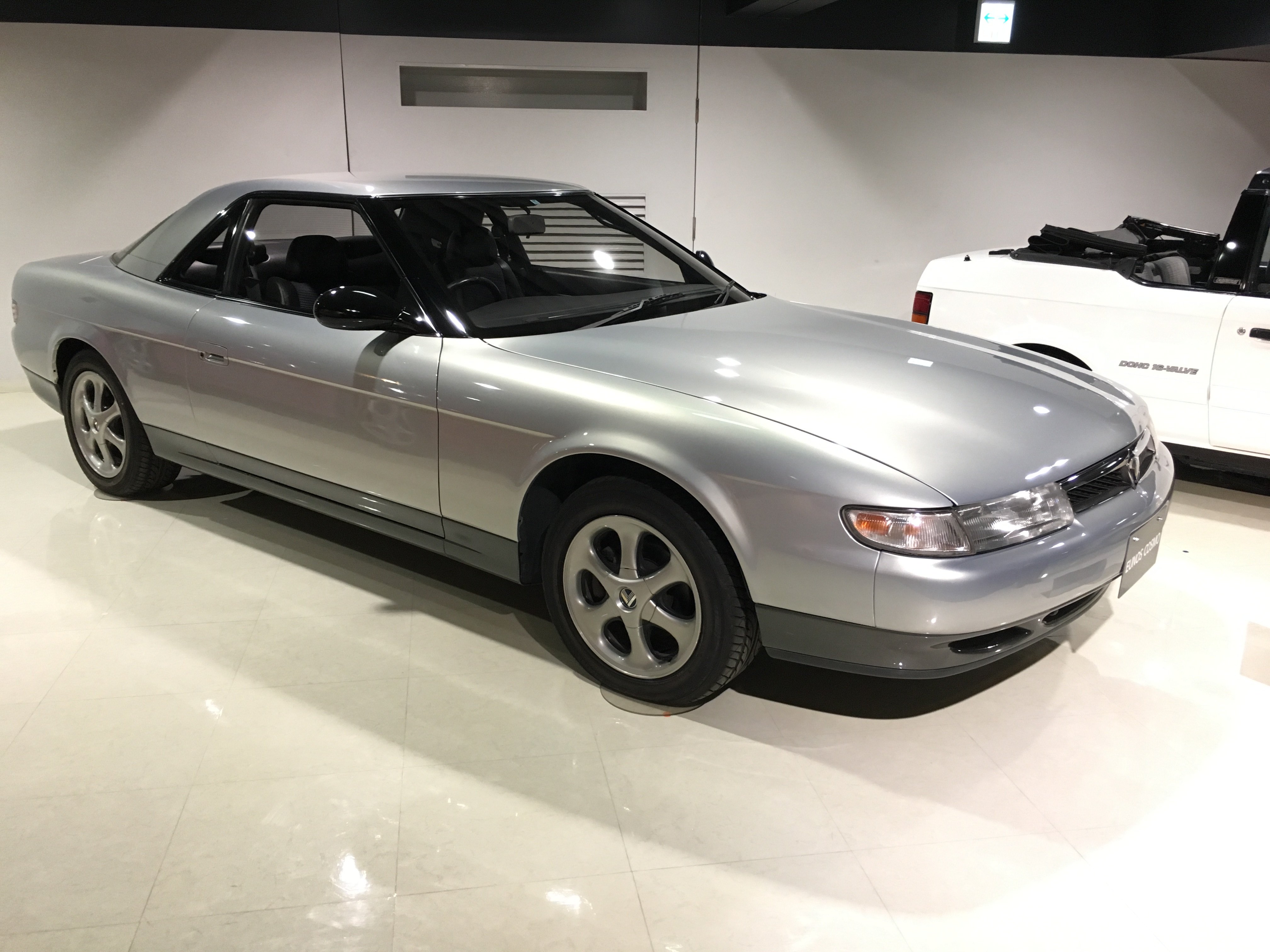
Mazda may traditionally be known as a sporty brand that offers affordable and fun–to–drive cars, but in recent years, it has proven itself to be more than capable of offering a premium feel in their vehicles as well. Unbeknownst to most of the world, however, Mazda had unleashed a luxury tour de force back in 1990 with the fourth–generation, "JC" Cosmo, which was offered for sale from 1990–1996 under its Eunos sub brand exclusively in Japan.
The JC Cosmo was a 2+2 coupé seemingly styled for a discerning customer who did not wish to draw much attention to themselves. When wrapped in the car's plush and gracefully simplistic interior, there is perhaps even less inside to tip the driver off that they are in something truly special, especially when considering that the JC Cosmo was only ever offered with a 4–speed automatic gearbox. Said simplicity however, skilfully hid away and blended together many breakthrough innovations, such as a touchscreen–controlled GPS system, connectivity to mobile phones, and a digital dashboard display, many of which only becoming mainstays in car design decades later. Optionally available on both the extravagant Type E model and the sporty Type S model was an engine that is just as innovative and monolithic: the 20B-REW 3–Rotor Wankel Engine. Officially displacing 1,962cc, this was not only the largest displacing production Rotary Engine by far, but it would mark the only time a 3–Rotor would be offered for sale by Mazda. Breathing life into the centrepiece engine was the first mass produced twin–sequential turbocharging system in the industry, and while power was limited by a Gentlemen's Agreement to 280PS (206kW), the healthy boost from the sequential turbos ensured that the 20B was capable of monster torque befitting that of a luxury car: 402N⋅m (296.5lbf⋅ft) from a middling 3,000rpm. While offering a smooth, quiet, and punchy power in its luxury car appointment, this behemoth of an engine would also go on to win the 2006 round of GT300, serving as the shrieking heart of the RE Amemiya Asparadrink RX-7.
Packed with understated innovation both in its cockpit and under the bonnet, the Eunos Cosmo is perhaps the quirky brand's most daring and innovative car ever—so much so that it was arguably too far ahead of its time to succeed.
A 3–Rotor JC Cosmo is maintained and displayed at the Mazda Museum in Hiroshima.
When the Japanese government relaxed the regulations for Kei cars in 1990, allowing for engines displacing up to 660cc, many a Japanese manufacturer backed by the booming economic bubble jumped at the opportunity to create exciting Kei cars, resulting in the famed "A–B–C" trio of Kei cars with the Autozam AZ-1, Honda Beat, and Suzuki Cappuccino.
Originally of Suzuki's design, the only trace of its roots left in the AZ-1 is in the F6A DOHC Inline–3 turbocharged engine, which also powers the Suzuki Cappuccino. Here in the AZ-1, however, said powerplant was slung aft the cockpit, making the AZ-1 the only rear mid–engine car ever offered for sale by Mazda in its long history. Going to the full extent of the law and a Gentlemen's Agreement, the Inline–3 displaced 657cc and produced the full allowable limit of 64PS, which propelled this menace of a microcar through a 5–speed manual gearbox. The engine is even capable of revving up to a heady 9,000rpm, surpassing that of the company's flagship sports car, the RX-7. As if all that weren't enough to solidify the AZ-1 as a genuine sports car, it even came with disc brakes all four corners, bombastic gullwing doors, split side windows, raked side intakes, NACA air ducts, and weighed in at a scant 720kg (1,587lbs) all told. But with its supercar looks also came supercar danger, as this turbocharged RMR car with a short wheelbase can prove to be very challenging to drive in the wet, and is certainly not a car for the inexperienced, in spite of its belying cute looks.
Unfortunately, by the time the AZ-1 went on sale in 1992, the economic bubble had burst in Japan, leading to a recession, and the pricey AZ-1 failed to sell well. Despite having sold only in extremely limited numbers, owners of the AZ-1 are fervently dedicated to this highly unique sports car to this day, and the AZ-1 proves to be a tiny and priceless time capsule of a very peculiar time in Mazda's history, and fondly remembered by many.
An AZ-1 is maintained and displayed at the Mazda Museum in Hiroshima.
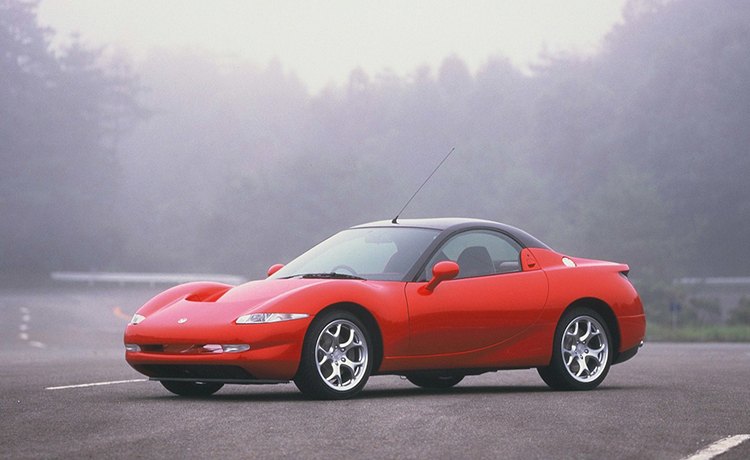
Following up on the supercar–harassing "FD3S" RX-7 was never an easy task, but with the burst of the economic bubble in their past and stricter emission standards in the future, Mazda had to make sure that its next Rotary sports car burned cleaner and sold for a lot cheaper. While the automotive world might already be familiar with the 4–door, 4–seat RX-8, Mazda had contemplated going down a very different road with the RX-7's successor in 1995, and the RX-01 was the car that showcased those intentions.
Wrapping the timeless design of the FD3S around a Roadster–sized chassis, the RX-01 was poised to be a "back–to–basics" sports car akin to the first–generation RX-7. An early version of the RX-8's 13B-MSP engine was slung so far back under the bonnet of the car that a comically large pathway could be cut from its bumper to the bonnet, acting as an oversized front wing. The few automotive journalists who managed to sample this lightweight prototype praised the way it drove, and many had hoped for it to see production one day.
Unfortunately, with Mazda's ailing financial situation in the mid nineties, the RX-01 was not meant to be, but it remains a fascinating "what–if" that lingers among fans of the Rotary sports car to this day.
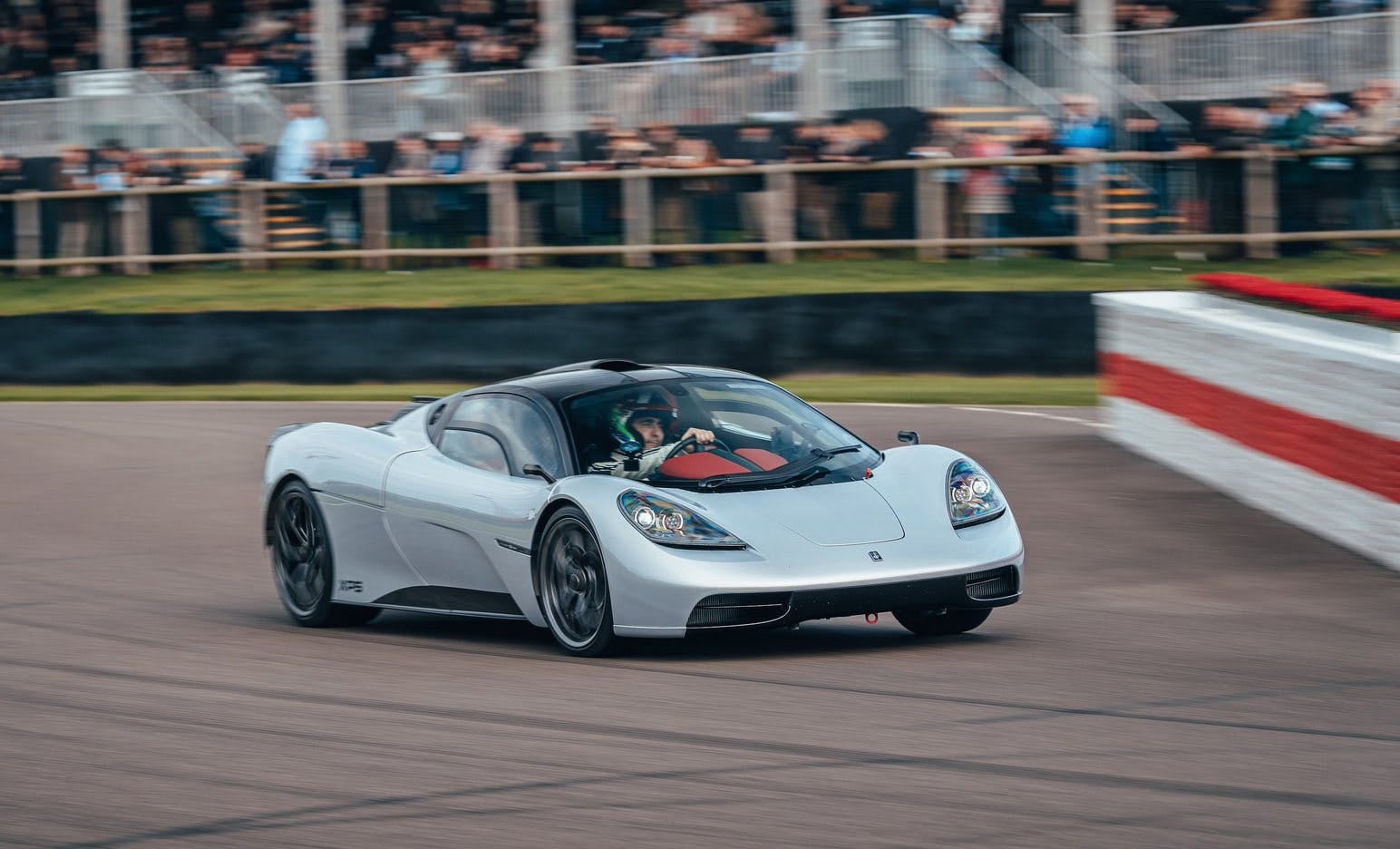
To many, the McLaren F1 is still the most influential supercar ever produced, and while many a McLaren have since succeeded it, the man behind the genius of the F1, Gordon Murray, had not been involved with any of them, leading some to believe that the famed F1 had no true spiritual successor—That is, until the debut of the Gordon Murray Automotive T.50.
Just like the F1 of the 90s, the T.50 was built first and foremost with driving pleasure in mind, with mind–bending performance a natural by–product that follows after. Gordon was adamant about having the intoxicating smoothness, flawless throttle response, and impeccable balance of a Naturally Aspirated V12 engine in his car, and so slung aft the 3–seater cockpit of the car is a custom built 4.0L Cosworth V12 unit with a 65° bank angle that redlines at a common sense defying 12,100rpm. The 663PS (484kW) that this sonorous engine delivers is sent through an Xtrac 6–speed stick shift exclusively to the rear wheels. It also features the return of the underbody fan à la the F1, allowing the driver to have better control over the car's downforce in accordance to the situation. Drawing from Gordon's extensive experience in Formula 1, the T.50's impressive packaging allowed all this hardware to not only fit into a diminutive silhouette comparable to that of a 718 Boxster, but also to achieve a dry mass of just 997kg (2,198lbs)—about a third lighter than its contemporary peers, and a feat previously unfathomable in light of ever–stringent safety standards.
But the T.50 is not a supercar with just outright performance in mind. Every minor detail has been meticulously obsessed over to Gordon's exacting wishes, from the ease of access to the car's luggage compartments, the width of the steering wheel, turn signals that don't require a driver to take their hands too far off the steering wheel, and in some cases, even the absence and rejection of modern trends, such as touchscreens, over stylisation, and oversized wheels. The T.50 even has various driving modes that limit the downforce the car generates, allowing the suspension to be set up soft and supple with ample travel and ride height to ensure a smooth ride quality and preserve everyday usability on a public road.
Absent many of the frills of public demand and marketing departments, the GMA T.50 oozes a purity of purpose that can only be sculpted by a small team with a shared vision—a trait that is critically endangered in the automotive industry today. With only 100 planned to be built, the T.50 is sure to prove to be just as timeless and desirable as the F1, if not more so. It may quite possibly the last and greatest hurrah for the Internal Combustion Engine.
Tracks:
Seattle Circuit
Tokyo R246 Akasaka
Eiger Nordwand
Marina Bay Street Circuit
More fictional circuits based on real, existing public roads à la Rome, Seattle, and R246.
I am aware that city tracks take a lot more time to create, and that some of the roads used in the layouts of these classic circuits no longer exist. I don't mind if PD alters the layouts of these circuits, or reimagine the old layouts with today's environments.


I agree with you..but more logical would be japan super GT...could get at least 3 tracksIn the current situation where racing games are establishing exclusivity agreements, I think that PDI could establish partnerships with some motorsport associations to be able to protect itself from competition and be able to enjoy certain iconic cars. One of these associations would be ADAC, so that the PDI has guaranteed access to the historic cars of the DTM league.
Despite being historic, I believe that some cars would do well in Gr.2, Gr.3 and Gr.4. Taking as a reference the fastlap records of several circuits researched, comparing the cars below with the fast laps of the GT3, GT4 and Super GT, these cars can be adapted in the three categories.
For the Gr.3 group, there would not be so many difficulties in allocating the old cars from the ITC 1996 season and the 2003 and 2004 DTM seasons. For Gr.2 cars, in addition to the three cars already mentioned on the first page of this thread, cars from the 2012 season would be suitable. For the Gr.4, nothing more appropriate than bringing the opponents of the AR 155 V6 '93.
It is worth noting that although the AR 155 '93 is already in Gr.4, the '96 version, from ITC, is visually and performatively much superior to the car from the 1993 DTM season.
18 cars
View attachment 1329040
- Alfa Romeo 155 V6 TI DTM-ITC '96 (Gr.3)
- Mercedes C-Class DTM-ITC '96 (Gr.3)
- Opel Calibra V6 4x4 DTM-ITC '96 (Gr.3)
- Opel Astra V8 Coupé '03 (Gr.3)
- Audi Abt TT-R '03 (Gr.3)
- Mercedes-AMG CLK-DTM '03 (Gr.3)
View attachment 1329054
- Audi A4 DTM '04 (Gr.3)
- Opel Vectra GTS V8 DTM '04 (Gr.3)
- Mercedes-Benz C-Class W203 DTM '04 (Gr.3)
- Mercedes-AMG C-Class Coupé DTM '12 (Gr.2)
- Audi A5 DTM '12 (Gr.2)
- BMW M3 DTM '12 (Gr.2)
As for the Gr.4 group, cars from the 93 and 94 seasons can be added. Special attention should be paid to the Audi car that did not officially race in the 94 season, but was designed for it. The car still exists, it looks incredible and would be worth bringing to the game.
View attachment 1329028
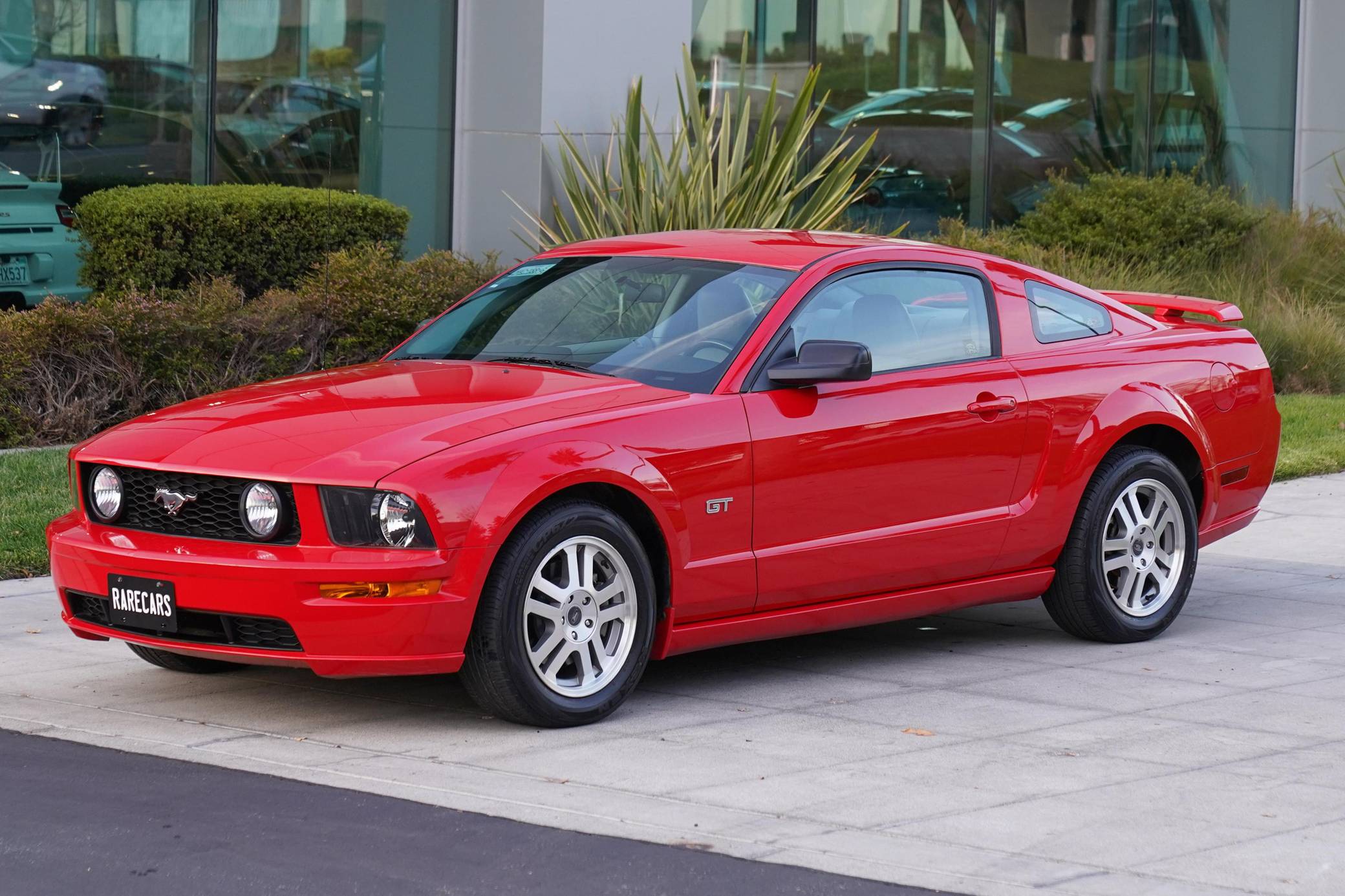
- Ford Mustang 5.0 GT DTM '93 (Gr.4)
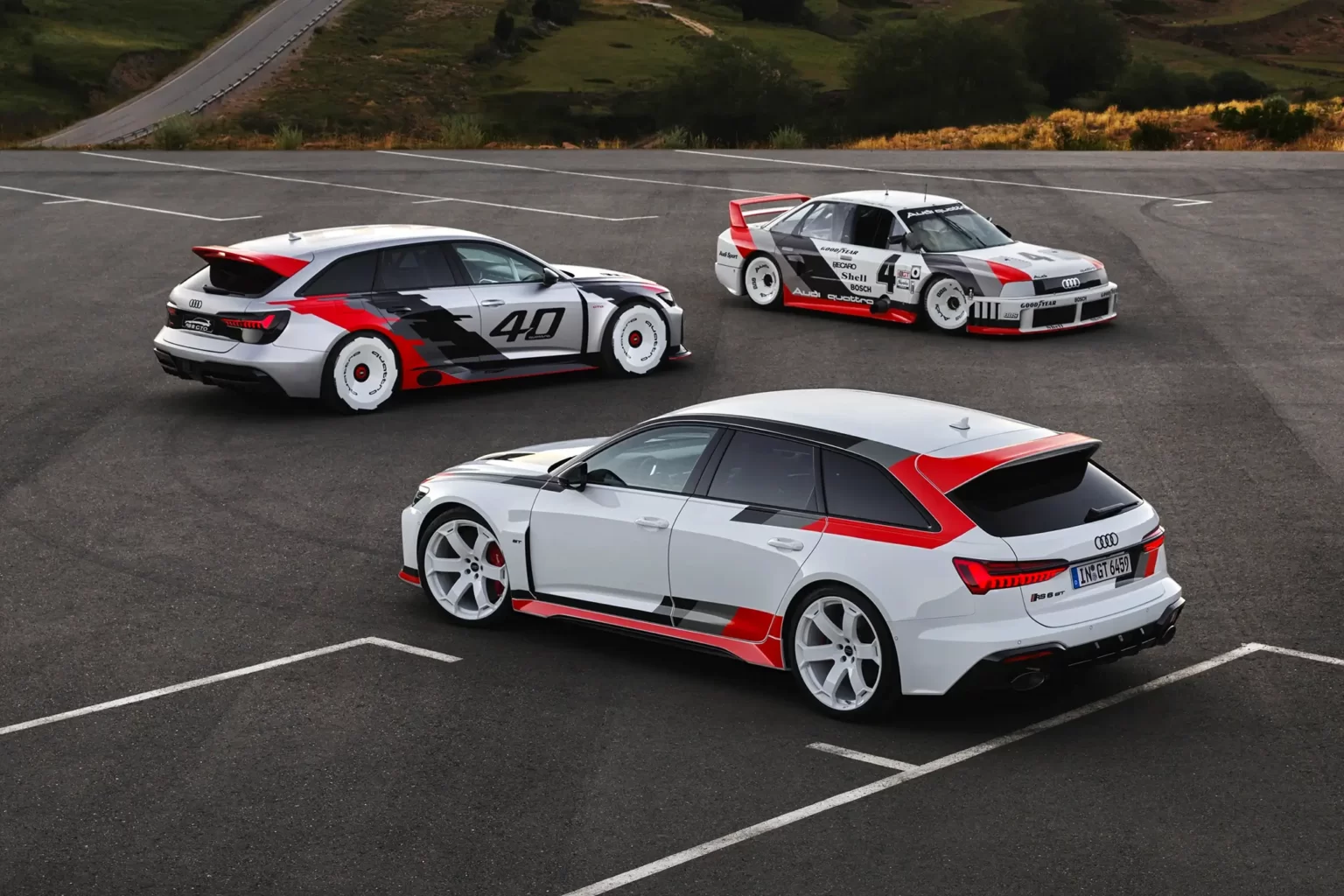
- Audi 80 B4 Turbo Competition Prototype DTM '93 (Gr.4)
- Mercedes 190E 2.5-16 DTM '93 (Gr.4)
- Opel Omega 3000 24v Evo DTM '93 (Gr.4)
- BMW E36 M3 DTM '93 (Gr.4)
- Opel V6 Calibra 4x4 DTM '94 (Gr.4)
6 tracks:
View attachment 1328982
- Circuit of the Americas
- Sebring
- Puebla
- Oulton Park
- Magny-cours
- Jerez
1. COTA is a long circuit with fast corners and should be a lot of fun in Sport Mode. It is a track suitable for Gr.1 and Gr.2 cars.
2. I don't need to explain much about why Sebring. The circuit should already appear in the game, considering its historical connection with GT racing. The legendary track needs to debut in GT7.
3. Mexico needs to be represented in the game, and the Puebla circuit is the best idea, as it will offer different game possibilities due to its two layouts. The GT7 needs more oval circuits, and the Puebla oval is unique in the world, with its paperclip shape, with long straights and two sharp curves. The road course is medium in size and would accommodate races from Gr.3, Gr.4 to club cars.
4. A classic circuit, with the same vibe as Brands Hatch: narrow, fast, winding and treacherous track, with constant elevation changes. It is a sister circuit to Brands Hatch.
5. I like Magny-Cours because it is a circuit that mixes high speed, with fast corners and some hairpins. After Le Mans, it is the best French circuit. In addition to the original layout, the external layout would be great for racing in Sport Mode.
6. In my opinion, this is the best circuit in Spain, as long as you avoid the unfortunate Senna chicane.


 www.gtplanet.net
Well, a partnership with one does not exclude a partnership with the other.I agree with you..but more logical would be japan super GT...could get at least 3 tracks
testing sepang, sugo, motegi..
and gt300 , gt500 present, past...( I know we have them ) but as far as I know super gt race cars are at the moment fastest touring cars in bussiness
even if they push their vision program..what could gt look like in 10 years forward...


I could see Rome, but I don’t think Monaco would be great for online racing at all. (I don’t even know if it’s all that great for racing IRL these days, either.) In the strict context of tracks that’ve been in prior GT games, I’d much rather see Twin Ring Motegi, Apricot Hill, and both the Indianapolis speedway and infield course. I wouldn’t mind Ascari nor Silverstone returning, either.I still dream of Rome and Monaco Tracks...Maybe one Day!


Monaco is the same it’s always ever been and would be great for GT racing.I could see Rome, but I don’t think Monaco would be great for online racing at all. (I don’t even know if it’s all that great for racing IRL these days, either.) In the strict context of tracks that’ve been in prior GT games, I’d much rather see Twin Ring Motegi, Apricot Hill, and both the Indianapolis speedway and infield course. I wouldn’t mind Ascari nor Silverstone returning, either.
I also wonder if the relative lack of city tracks could be due to hardware limitations? Still, I would like to see rain at Tokyo Expressway South, and perhaps even North, West, and Outer Loop layouts.
But I swear, if they were to add Lime Rock Park - and maybe bring back the Callaway C12 - I’d go nuts! Of course, I also wanna see more courses in other parts of the world, with Kyalami, Phillip Island, and the Dubai Autodrome immediately coming to mind.


Using primarily PS3-era premiums:
Gr.1
Gr.2
- DeltaWing '13
- Ligier JS PX '21 (GT Movie)
Gr.3
- Honda HSV-010 GT '11 (weider)
- Nissan Z GT500 '06 (Xanavi Nismo)
- Nissan Zytek Z11SN '13 (Greaves Motorsport)
- Toyota Supra GT500 '05 (YellowHat YMS)
Gr.4
- Audi R8 LMS Ultra '12 (Audi Sport Team Phoenix)
- Chevrolet Corvette ZR1 LM Race Car Gr.3 [retuned engine]
- Lamborghini Diablo GT2 '98
- Nissan GT-R R35 Touring Car Gr.3 [retuned engine, AWD removed]
- Porsche 911 GT2 '98 (Team PlayStation)
Unclassed/Road Cars
- Ferrari F355 Challenge '95
- Lexus IS F CCS-R '11
- Volkswagen Scirocco GT24 '08 (Volkswagen Motorsport)
- Alfa Romeo TZ3 Stradale '11
- Chevrolet Corvette Stingray (C7) Gran Turismo Concept '13
- Chevrolet Corvette Z06 (C5) '04
- Chevrolet El Camino SS 396 '67
- Citroen C4 Coupe 2.0 VTS '05
- Super Formula Lights Dallara 320 / Spiess '23 (Igor Fraga)
- Ferrari FXX '07
- Ford Shelby GT500 '13
- Lexus IS F Racing Concept '08 [car classing undecided]
- Light Car Company Rocket '07
- Mazda efini RX-7 Type R (FD) '91
- Mazda RX-8 Type S '07
- Ralt RT3 '83 (West Surrey Racing Ayrton Senna)
- Red Bull X2010
- Red Bull X2014 Fan Car
- Subaru Impreza Sedan WRX STI '10
- Subaru Impreza WRX STI spec C '09
- Volkswagen Kübelwagen Typ82 '44
If I had to pick only one of these, I'd pick the Bentley. I'd also add the more recent Continental GT3 and a made-for-game Gr.4 Continental so that Bentley can enter the Manufacturers Cup.GR1
Audi R10 TDI '06
Bentley Speed 8 '03
I would have added Alpine (A110 GT4 Evo/Alpine GTA Concept Gr.3, adapted from that NFT car) and Cadillac (ATS-V Gr.4/ATS-V.R) to Manufacturers Cup too.If I had to pick only one of these, I'd pick the Bentley. I'd also add the more recent Continental GT3 and a made-for-game Gr.4 Continental so that Bentley can enter the Manufacturers Cup.











 Tracks: who needs new tracks when you have the Nürburgring.