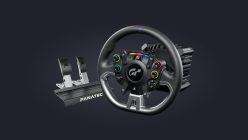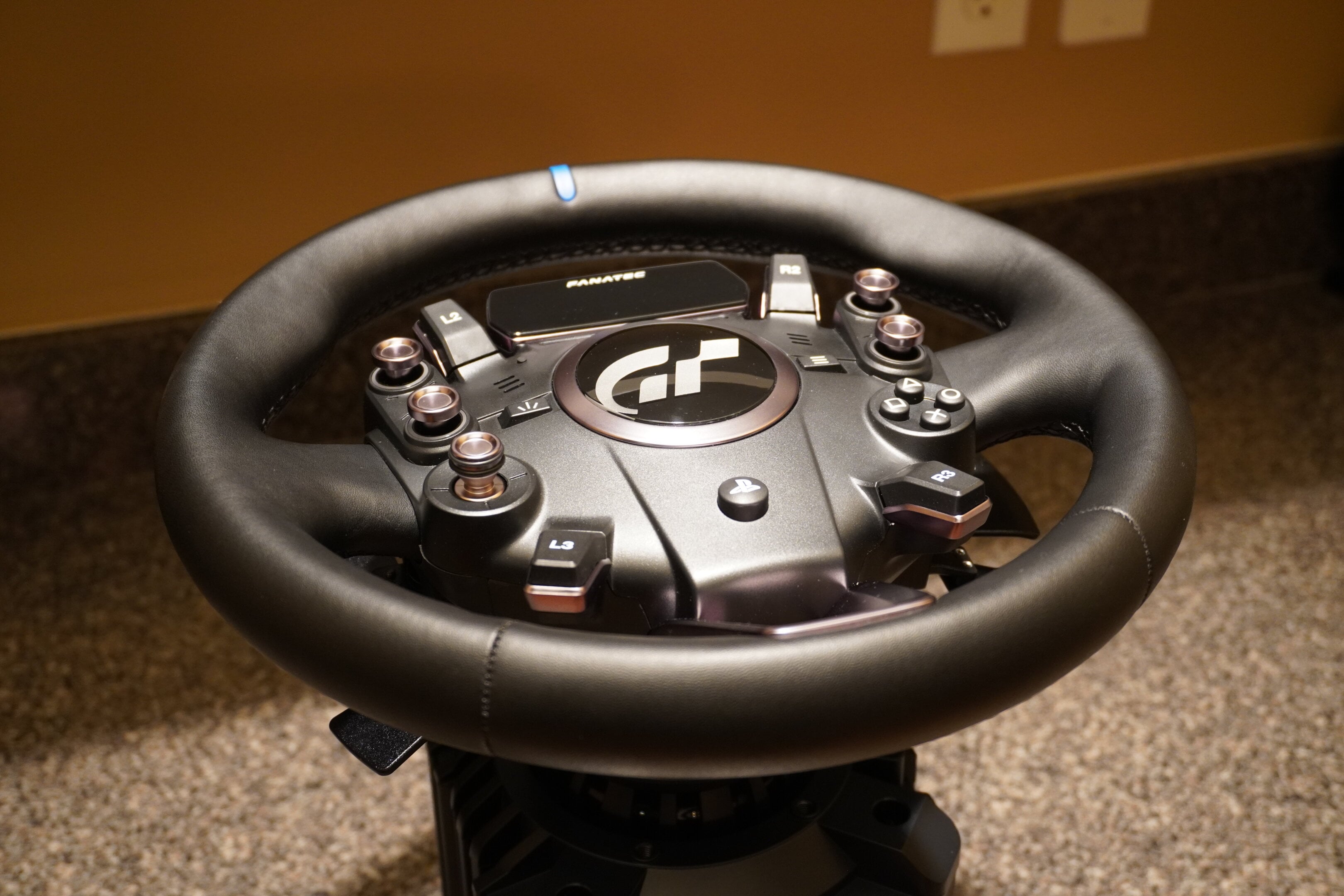
The sim-racing hardware landscape has undergone a massive transformation in the last few years. What was once a niche market dominated by a few key players has exploded into a multi-million dollar industry, with brands like Fanatec, Logitech, Thrustmaster, Nacon, and Moza fighting for space on sim-racer’s rigs.
As more manufacturers eye the PlayStation ecosystem, the question of how Gran Turismo handles this influx of hardware has become an interesting topic. Speaking at the 2025 World Series Finals in Fukuoka, Japan, Polyphony Digital boss Kazunori Yamauchi addressed the studio’s strategy for hardware compatibility, the “Spec III” update, and why the PC’s “freedom” isn’t always the right path for a console experience.
“Native” Support
For many PC sim-racers, compatibility is a matter of plug-and-play mapping. You can bind any button to any function, mix and match pedals from different brands, and even (as Yamauchi jokingly noted) “put your horn on the third gear position.”
However, Yamauchi-san remains firm that this level of chaotic freedom doesn’t fit the “Gran Turismo” philosophy. For Polyphony, “native support” isn’t just about making the buttons work, it’s about the fidelity of the force feedback and the specific character of the car being driven.
“In the Spec III update that just released, we did a lot of tuning for the steering wheel,” Yamauchi-san explained. “We really want to natively support a lot more steering wheels. That’s the key… if you give that much freedom to the players, it actually ends up confusing them.”
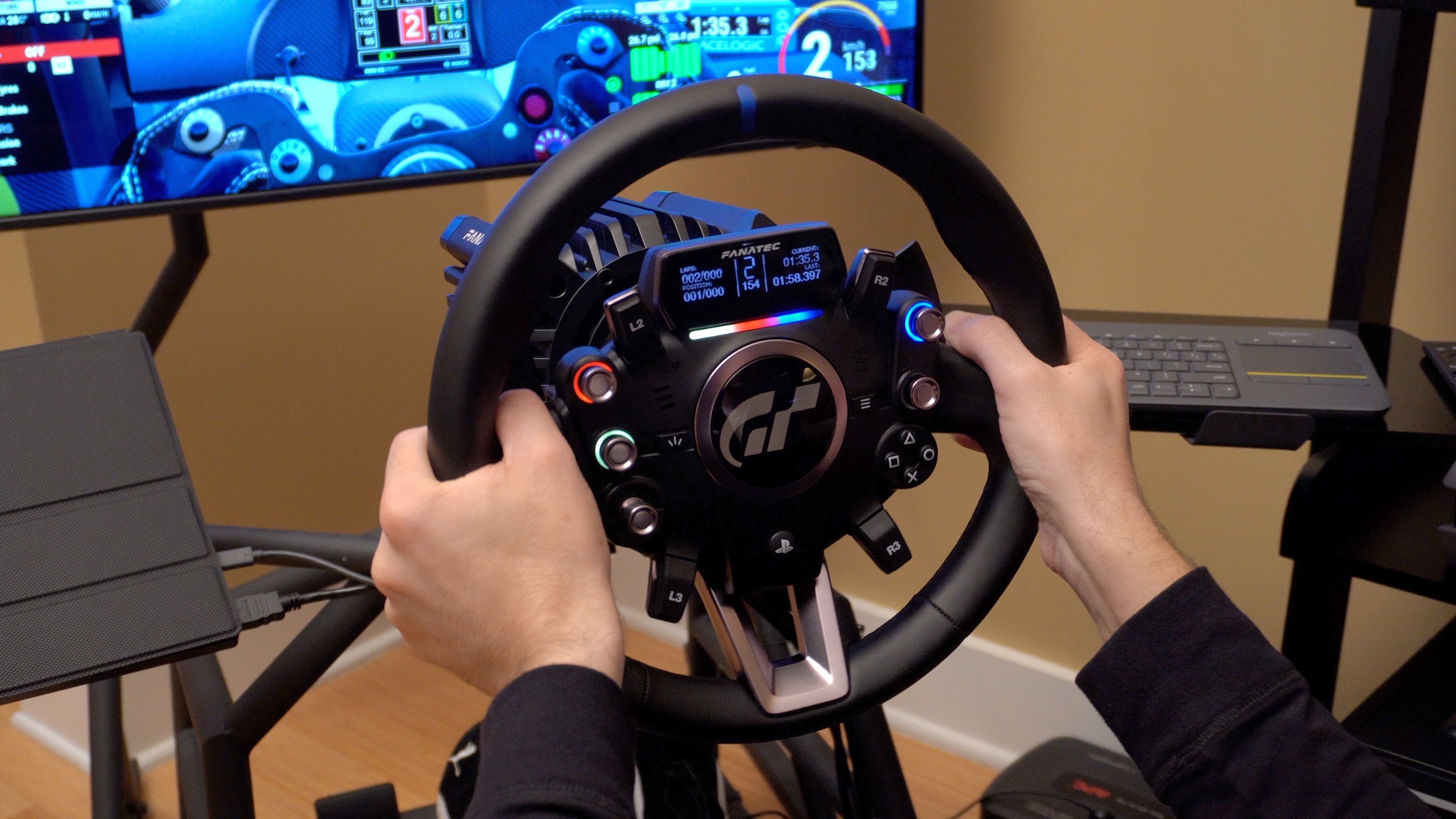
Force Feedback Philosophy
Yamauchi’s definition of native support goes beyond compatibility. He views the steering wheel as something of a bridge between the player and the physics engine. He believes cars should feel fundamentally different through the wheel, regardless of which hardware the player is using.
“Say you have a luxury car, or even a van like the Toyota HiAce, and then a Porsche 911 GT3 RS. The steering feel is completely different between [them],” Yamauchi noted. “We want to make it so that when you’re playing with each of those different cars, the steering feel is different and matches those cars. Natively supporting steering wheels involves doing that properly.”
This appears to suggest that Polyphony is working on deeper integration with wheel manufacturers to ensure that the game’s internal physics data is translated accurately to the motors in the wheel base without the user needing to spend hours in a settings menu.
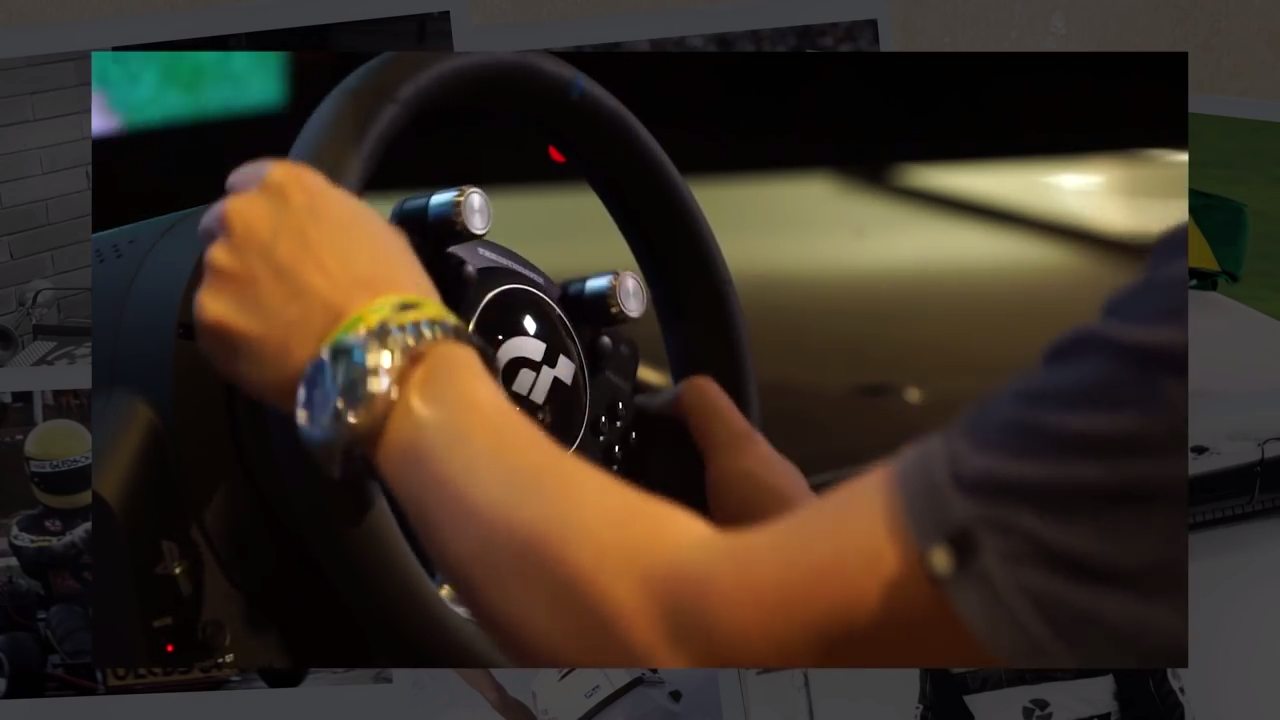
The PlayStation Advantage
The “world of PC” allows for endless customization, but it can often feel like you need a degree in engineering to get the force feedback dialed-in. Yamauchi believes the strength of Gran Turismo on PlayStation lies in its curated, automated experience.
By focusing on native support, Polyphony ensures that when a player plugs in a high-end Direct Drive wheel, the game “recognizes” the hardware’s torque capabilities and adjusts the output to match the specific vehicle’s rack weight and road feel automatically.
Looking to the Future
Yamauchi’s comments point toward a few key takeaways for hardware enthusiasts. The mention of wanting to support “more quality steering wheels” suggests we could see more official PlayStation licensing and native GT integration for hardware brands that have historically been PC-centric.
It also suggests that with the advancements in sim-racing wheel technology, Polyphony is taking force feedback effects much more seriously. While physics are always top-of-mind and frequently talked about, force-feedback is not something Yamauchi-san typically addresses unless he has a new, officially-branded wheel to promote.
Fortunately, for us players, as the sim-racing hardware “arms race” continues, Polyphony Digital seems less interested in giving players a thousand sliders to move, and more interested in ensuring that you’re getting an accurate feel from the game, out-of-the-box.
See more articles on Kazunori Yamauchi and Steering Wheels.