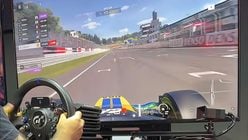
Polyphony Digital has quietly added Chinese language support to its corporate website at polyphony.co.jp, marking the first time any language other than Japanese or English has been available on the developer’s own site.
Frist spotted by eagle-eyed GTPlanet member queleuleu, it’s a small change on the surface, but an interesting one when you consider what the Polyphony Digital website actually is and who it’s for.
The official Gran Turismo site at gran-turismo.com has long had an international focus, supporting more than 35 regional and language variations, including Chinese. That’s a consumer-facing product site, though, designed to reach as many players as possible.
The Polyphony Digital corporate site serves a different purpose. It’s where the studio presents itself as a company, hosts recruitment pages, and publishes the technical papers produced by its engineers on subjects like neural rendering and real-time graphics.
For nearly three decades, the audience for that content has apparently been assumed to speak either Japanese or English. The decision to add Chinese as the third language raises an interesting question about who, exactly, Polyphony is trying to reach in China with its corporate site.
Is the studio looking to recruit Chinese talent? Is it positioning itself for deeper engineering partnerships with Chinese automotive or technology companies? Or is it reflecting the reality that China has become an increasingly important part of the Gran Turismo ecosystem?
The answer might be all of the above.
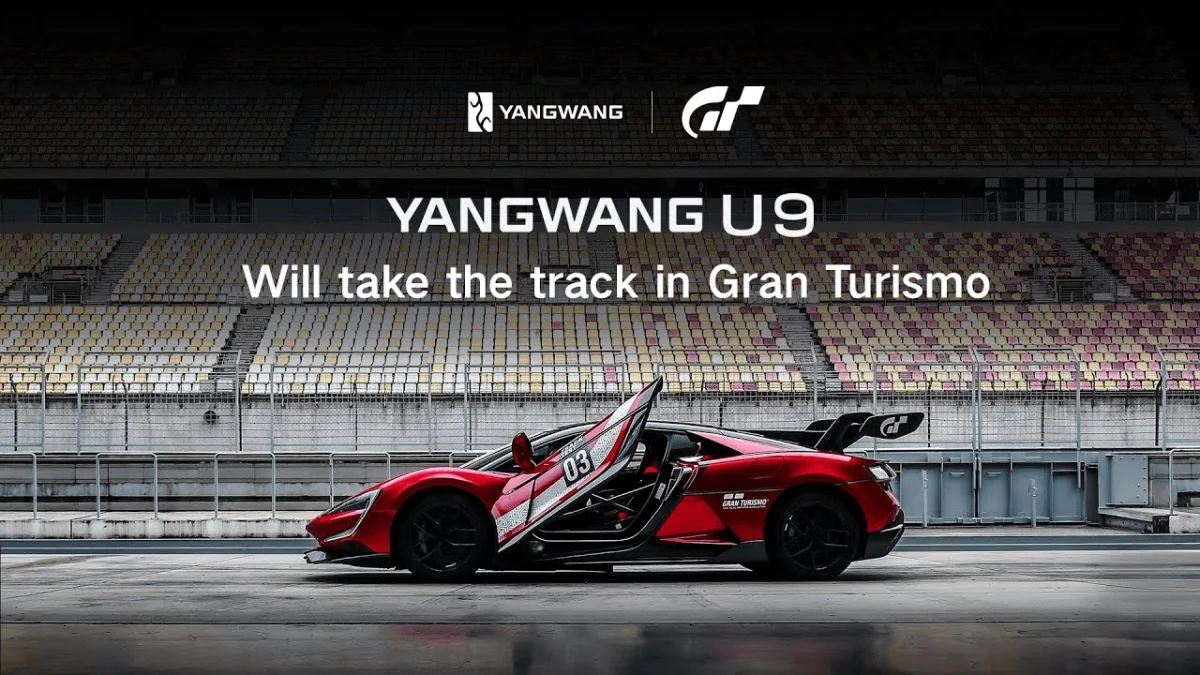
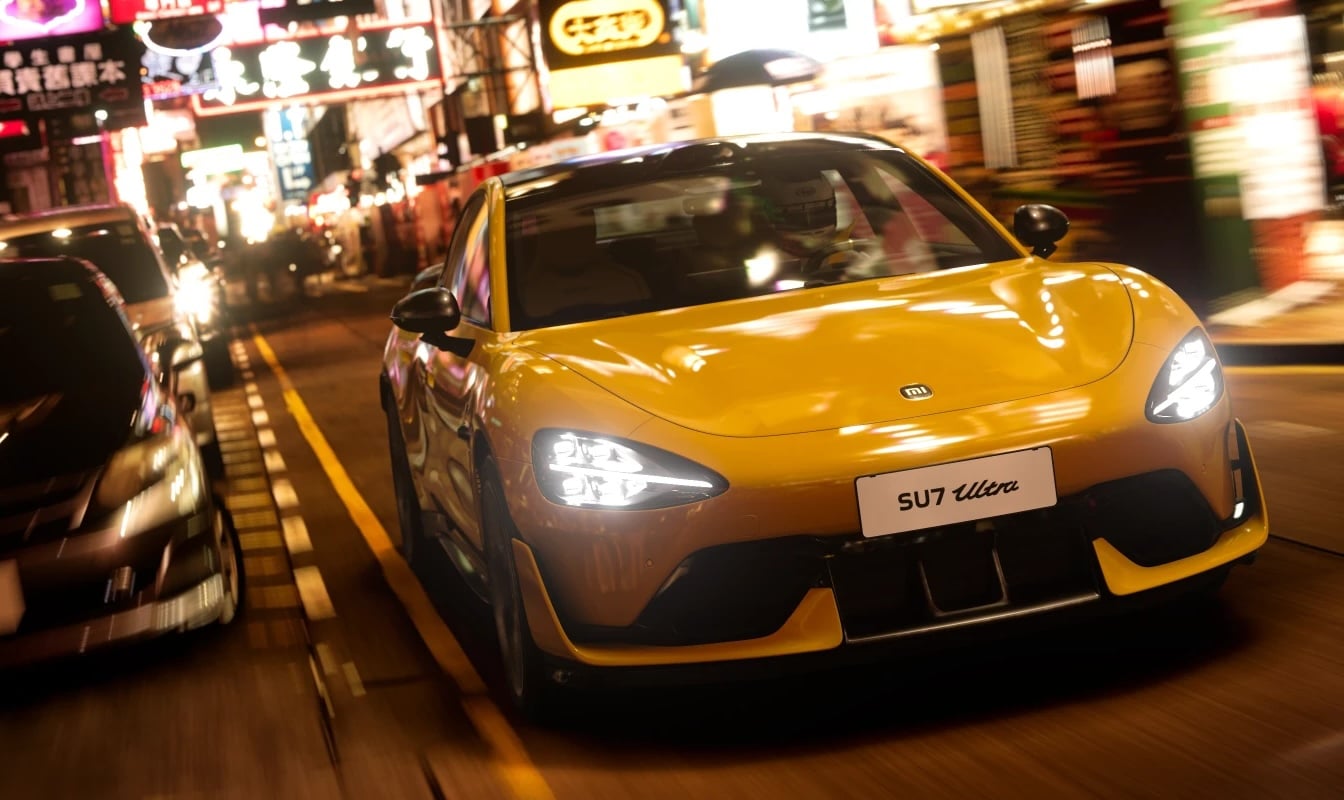
Over the past year, the China push has been unmistakable: a Xiaomi partnership that brought the first Chinese car to Gran Turismo in the series’ 28-year history, the confirmation of BYD’s Yangwang U9 Xtreme as a second, Chinese-language commentary debuting for the World Series broadcasts in 2025, and series creator Kazunori Yamauchi personally appearing at the PlayStation 5 Pro launch in Shanghai to talk up a “close working relationship” with China’s automotive industry. He’s also been talking about adding the Shanghai International Circuit since at least 2012.
A studio that has operated its website in two languages since 1998 doesn’t add a third without reason. It’s another sign that China is becoming a meaningful part of the Gran Turismo story going forward.
See more articles on Polyphony Digital.