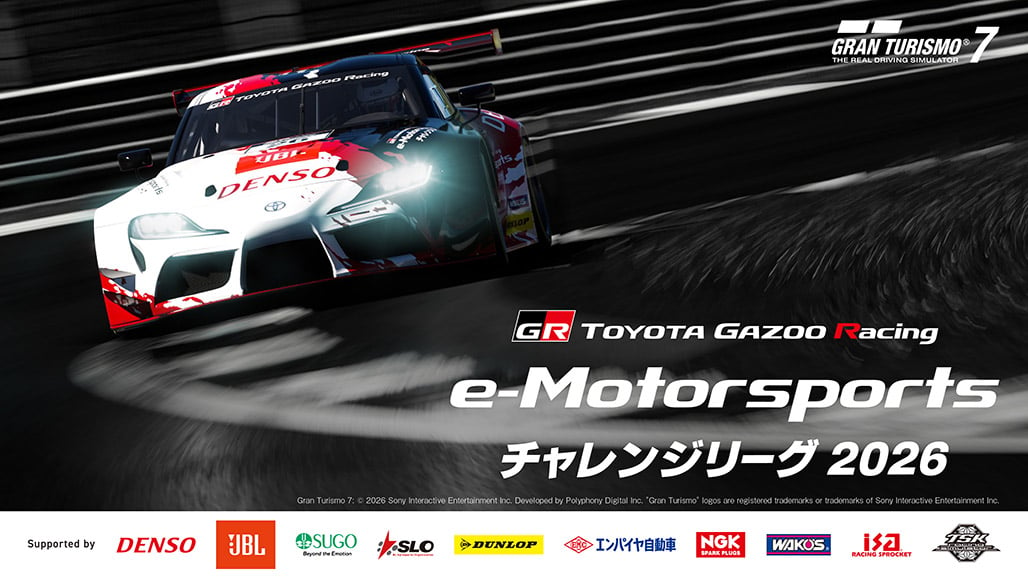
Toyota Gazoo Racing has unveiled the “TGR e-Motorsports Challenge League 2026,” a new sim-to-real talent pathway aimed at young drivers in Japan, with the winner earning a fully-funded season of competitive karting in 2027.
The announcement comes a little over a year after Toyota shut down the Gazoo Racing GT Cup, the long-running one-make Gran Turismo championship that ran from 2019 to 2024 and produced a string of high-profile crossover champions. Where the GR GT Cup sat at the elite end of competitive Gran Turismo, this new program sits at the opposite end (focused entirely on finding the next generation).
A Different Kind of Toyota Esports
Eligibility is narrow. Entrants need to have been born between April 2, 2011 and April 1, 2016 (so roughly 10 to 15 years old when the competition kicks off), reside in Japan, and have a “stated ambition to become a real-world racing driver”. That last criterion is unusual to see written into a sim racing entry form, but it tells you Toyota is looking for kids who already know what they want to do.
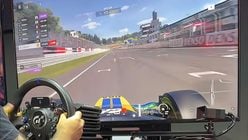
The online qualifier runs inside Gran Turismo 7 from June 13 to June 27, 2026, as a time trial in the Toyota GR Supra Racing Concept ’18 around Sainte-Croix Circuit B. A field of around 20 will then be invited to remote interviews in early August, before the top 12 are flown to a special venue in Aichi Prefecture for a two-day offline final on September 26 and 27.
That offline event is where the structure starts to look different from a typical esports prize playoff. Multiple races will be run on PS5, but Toyota has been explicit that the winner won’t simply be the fastest driver across the weekend; the driver will be chosen “from the content of the races.” In other words, race craft, attitude, and how the kids handle themselves over a weekend matter at least as much as raw pace.
The Prize: A Real Karting Season
The reward is the part that makes this program interesting.
The single chosen driver will receive support for a full 2027 season in the SS Class of the SL Kart Meeting, a regional Japanese karting series. Toyota will cover the equipment side (engine, frame, tires, spare parts, consumables, mechanic support, and logistics costs), with the program contracted through Sugo Co., Ltd. Travel and accommodation are on the driver’s family.
Following a Familiar Blueprint
Sim-to-real isn’t new ground for Toyota.
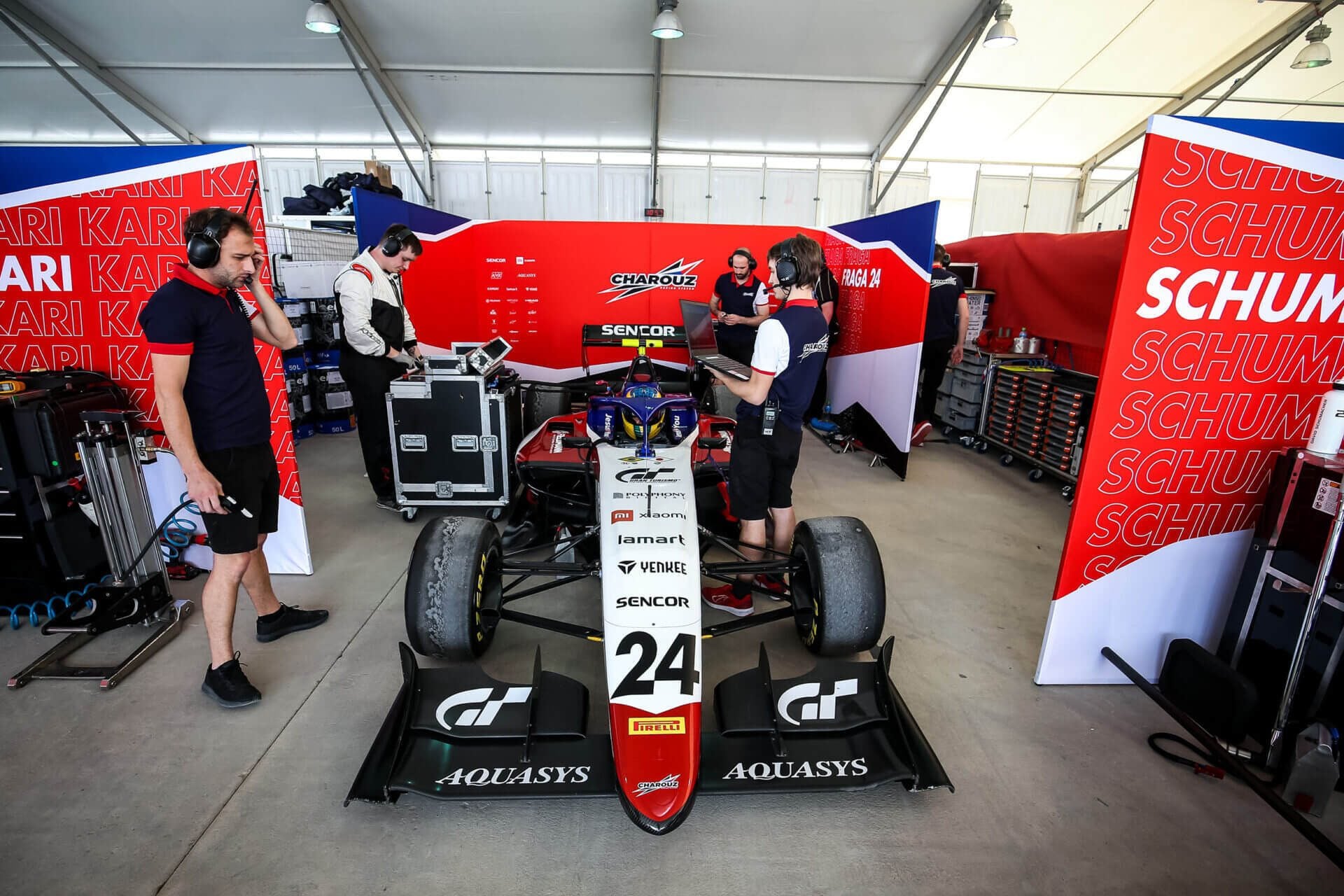
The most prominent example is Igor Fraga, who landed a 2020 Toyota Racing Series seat on the back of his Nations Cup and Manufacturers Cup titles, and went on to win the 2022 Gazoo Racing GT Cup for good measure. But Fraga was already a competitive racing driver before GT Sport found him; this new program is closer in spirit to GT Academy in that it’s trying to take someone with no real-world seat time and put them in a kart.
Picking 10-to-15-year-olds and supporting them through a karting season (rather than handing a license to someone already on the way up) is a slower, more patient version of the pathway. Whether one season of supported karting is enough to produce a future TGR factory driver is an open question, but it’s a clearer commitment to the real side of “sim-to-real” than most manufacturer esports programs make.
It also fills a gap. When Toyota wound down the GR GT Cup earlier this year, the company pointed to a continuing “e-Motorsports initiative for younger drivers” as part of the reason, without specifying what that meant. Now we know.
Full participation details for the online qualifier will be released closer to the June 13 start date. For now, eligible drivers (and their parents) can find the official announcement on Toyota Gazoo Racing’s site.
See more articles on Gazoo Racing, Toyota, and Toyota Supra.