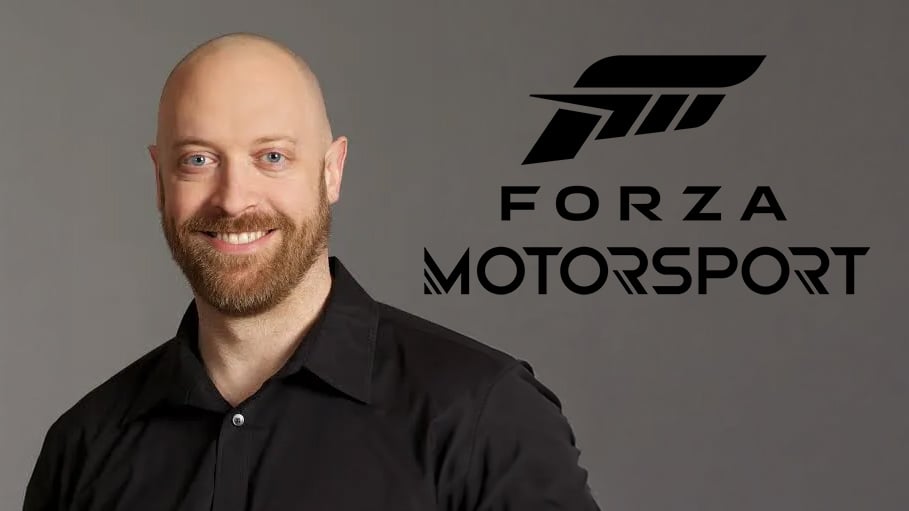
Dan Greenawalt, the man who pitched Forza Motorsport to Microsoft and founded Turn 10 Studios to build it, is retiring after almost 27 years with the company. The news comes from an internal Playground Games memo seen by The Verge’s Tom Warren, and it arrives barely five weeks after Turn 10 was folded into Playground Games.
For anyone who grew up on our forums arguing about Forza and Gran Turismo, this is the end of an era. It also severs one of the last remaining links to Forza Motorsport’s origins at a time when the series’ future already looks bleak.
What Was Announced
According to The Verge, Playground Games studio head Trevor Williams told staff that Greenawalt “has decided that this is the right time for him to retire from Microsoft.” He will remain as an adviser to Williams and to Michel Bastien, Playground’s newly appointed chief operating officer, during the transition.
Williams’ memo credits Greenawalt with shipping Project Gotham Racing on the original Xbox in 2001, leading the creation of Forza, founding Turn 10, and (in Williams’ words) making so many E3 entrances with a supercar in tow. “It’s hard to overstate Dan’s impact over the past 27 years,” he wrote.
The memo also confirms something the September merger announcement left open. The combined studio is simply called Playground Games, split across two sites, Playground Games Leamington Spa and Playground Games Redmond. The Turn 10 name is gone.
Another Blow to Forza Motorsport’s Future
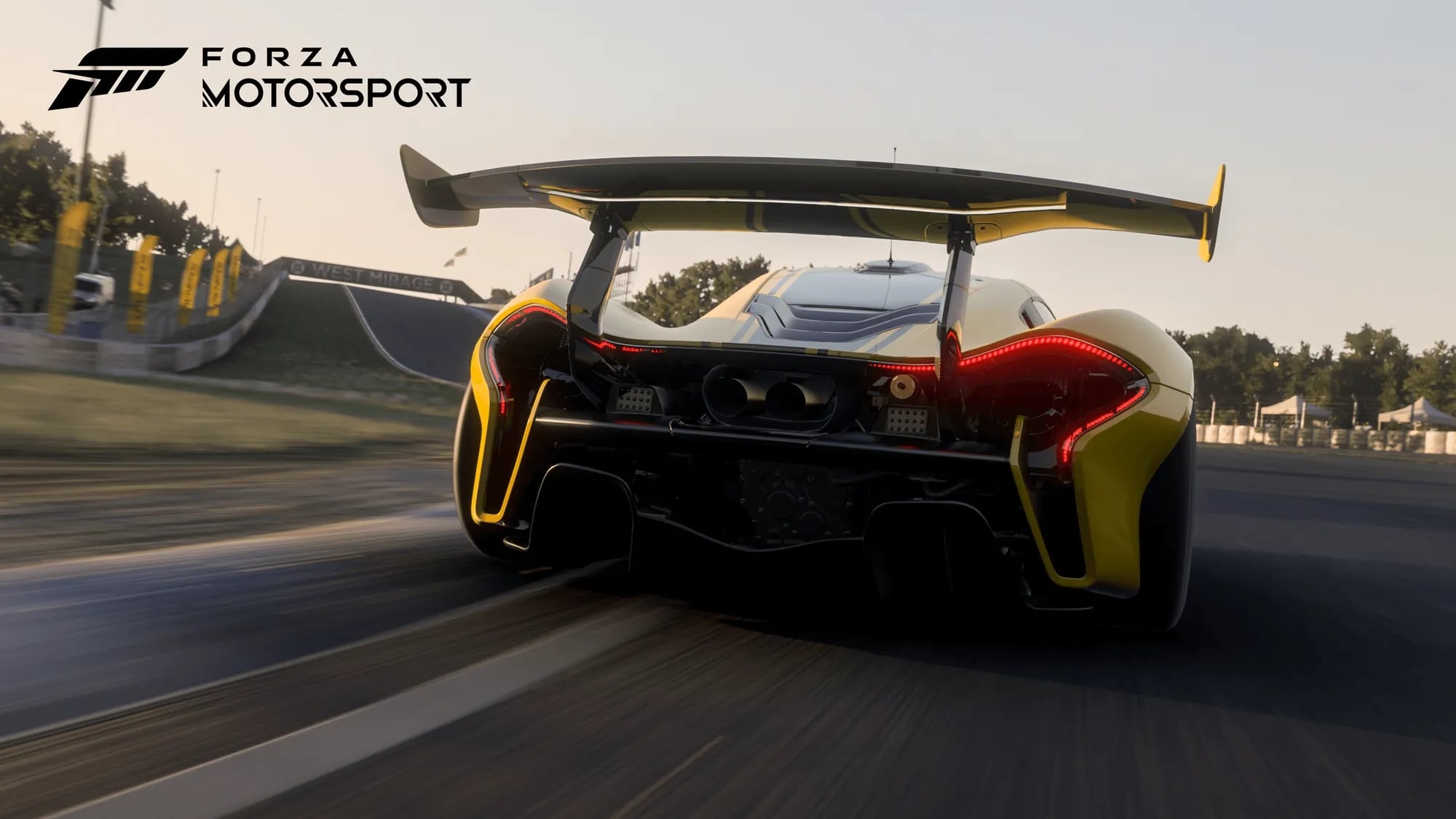
To be clear, Microsoft still has not explicitly said Forza Motorsport is finished. Greenawalt’s retirement isn’t proof of anything on its own, either. But Microsoft’s actions over the past 16 months are not positive for the franchise’s future.
Turn 10 lost nearly half its staff in July 2025, according to Bloomberg’s Jason Schreier. The 2023 reboot was put on life support in December, with no new content or regular bug fixes planned. The studio was merged out of existence in September, and now its founder is on his way out. The remaining Redmond team is working on Forza Horizon and Fable.
A Gran Turismo Fan Who Built the Competition
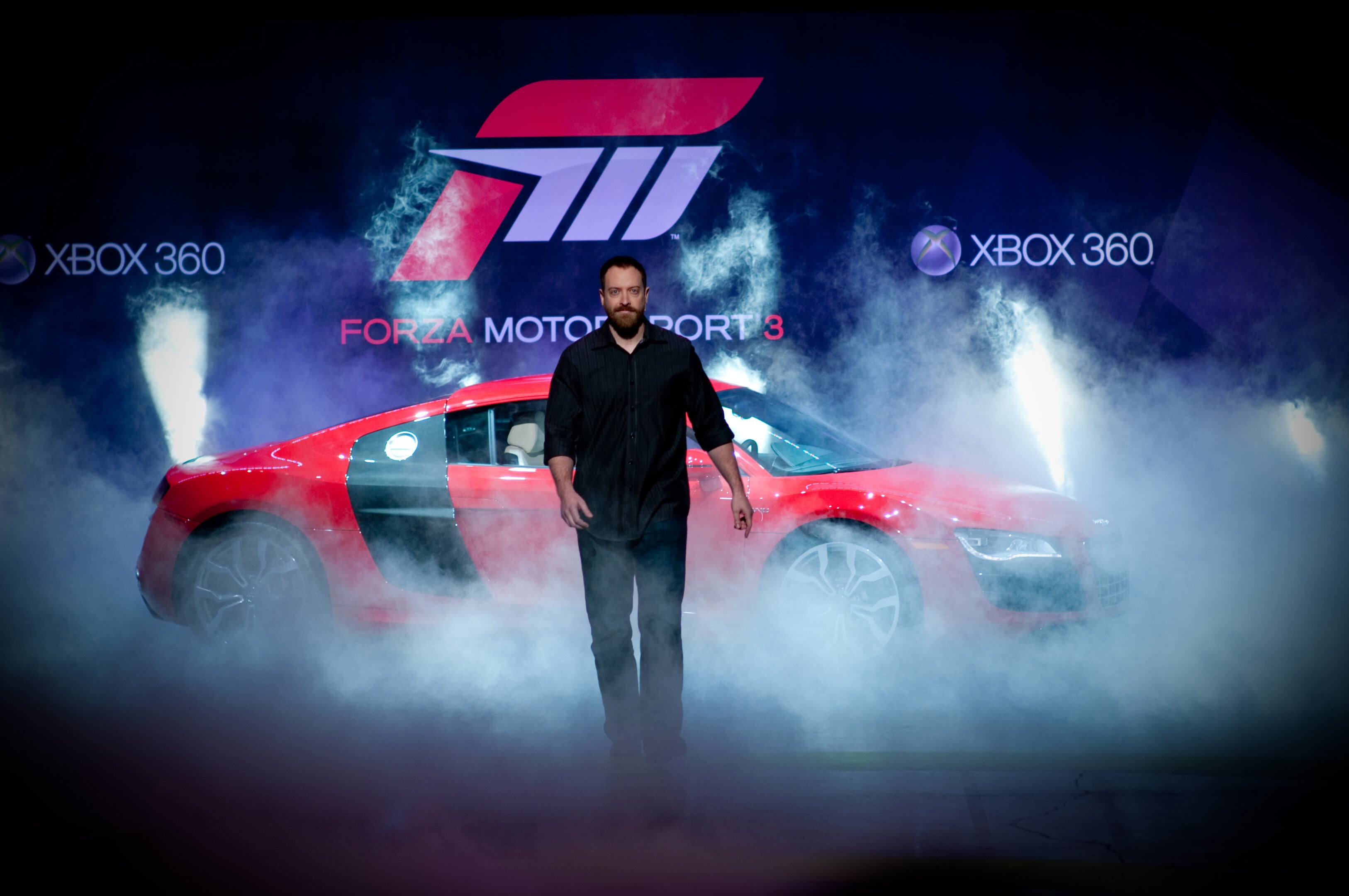
Greenawalt’s relationship with Gran Turismo goes back further than most people realize.
He was a Microsoft employee when the original Xbox launched in 2001 with Project Gotham Racing (developed externally by Bizarre Creations). The experience led him to pitch a simulation-focused racer, and a new in-house studio to build it in 2002.
Turn 10 began with just ten people. Three years later, the original Forza Motorsport arrived on Xbox in May 2005, just three months after Gran Turismo 4 reached North America, and it went after Polyphony Digital’s audience directly.
He was never shy about where the idea came from. Speaking at E3 2009, a few months before Forza Motorsport 3 launched, Greenawalt told interviewers he was a GT fan first.
He said he bought his first car because he’d driven it in Gran Turismo, and that he was in the industry because of that game. Then he went further, saying Kazunori Yamauchi “hasn’t done anything for me in years,” and that “in many ways he’s handing the baton to me”.
Those comments caused a stir, and we wrote about them at the time as the moment the quiet rivalry between Turn 10 and Polyphony turned into a public one. Yamauchi, when asked about the competition in a separate interview later that year, characteristically kept his distance by saying he watched other studios’ work with a sense of curiosity rather than contest.
The rivalry never turned bitter, though. In 2014, Greenawalt took the ALS Ice Bucket Challenge and nominated Yamauchi to go next, which he did within 24 hours. Greenawalt also spoke frequently and publicly about his respect for Yamauchi’s work, even while arguing Forza had taken the genre further.
Competition Breeds Excellence
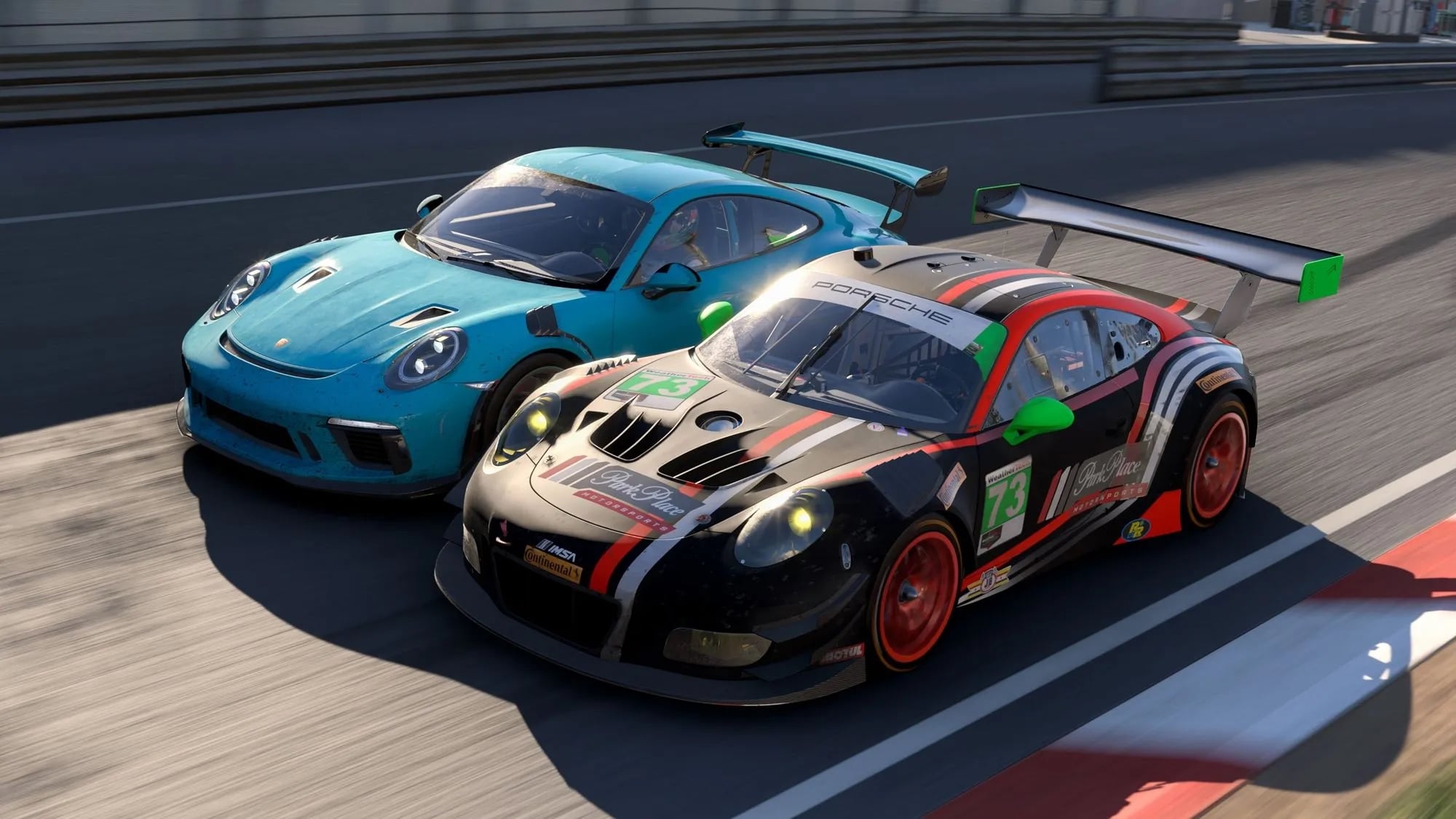
It’s easy to forget how much Gran Turismo benefited from having a serious rival.
Gran Turismo dominated console simulation racing for years, despite competition from the likes of Sega GT, Enthusia, and the TOCA series. What made Forza different was that Microsoft gave it the platform, the money, and a decade-plus of commitment to become a sustained, direct competitor.
Forza Motorsport shipped every two years from 2005 through 2017, repeatedly introducing or refining features that GT players noticed and often wished their own game had.
Damage modeling in a sim-leaning console racer. A rewind button. A livery editor and storefront that turned players into painters and tuners for one another. Forza didn’t invent all of those ideas, but it packaged them together, at scale, in the one game GT fans were forced to measure their own against.
Some of the longest-running debates on this very site, about damage, livery editors, car quality, and release schedules, were sharpened by that comparison, and some of those features eventually arrived in GT, most visibly the livery editor in GT Sport.
Whether Polyphony added them because of Forza is something only Yamauchi can answer, but it is hard to believe a well-funded, ambitious rival did anything other than push both studios to be better.
Greenawalt’s stated mission, repeated at nearly every opportunity, was to turn gamers into car lovers and car lovers into gamers. He also pushed hard on accessibility, telling Microsoft’s own press in 2017 that age, gender, or disability should never be a barrier to playing, and in 2019 he invited the community into the concept phase of what became the 2023 Forza Motorsport.
It could be said his biggest achievement, though, was his influence on the industry. He built a durable racing franchise inside Microsoft, built a studio to carry it, and then helped it grow into something he hadn’t planned.
Around 2010, Playground Games approached Greenawalt and fellow Forza executive Alan Hartman with a pitch to revive Project Gotham Racing. They turned it down, but Hartman asked what Playground could do with Forza instead.
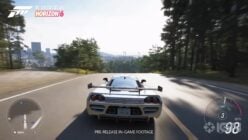
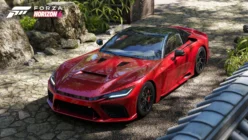
The answer became Forza Horizon, built in collaboration with Turn 10, and it’s now the franchise’s most successful series and the side with a more visible future. Whatever side of the console divide you sat on, you got better racing games over the past two decades because Dan Greenawalt decided to take on Gran Turismo.
A Personal Note
Dan has been a GTPlanet member for decades, long before most people would have expected a Forza director to spend time on a Gran Turismo site, and we were always happy to have him here.
I had the honor of meeting him in person many years ago. His enthusiasm for cars, motorsport, and the community of people who love them was infectious, and it was easy to understand why he inspired such loyalty.
I wish him the very best in whatever comes next!
See more articles on Dan Greenawalt and Turn 10.