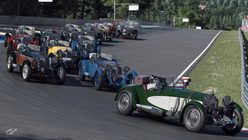
Gran Turismo 3: A-Spec turns 25 years old today. First released in Japan on April 28, 2001, the PlayStation 2’s debut Gran Turismo title remains one of the best-selling games in the franchise’s history, and arguably one of the most important.
It’s the game that took Gran Turismo from “huge PlayStation success story” to global phenomenon. The numbers tell that part of the story plainly enough: just under 15 million copies sold worldwide, with 7.1 million in the US alone. GT3 held the title of best-selling Gran Turismo for over two decades, and was a major contributor to the franchise’s recently-passed 100 million career sales milestone.
But sales alone don’t explain why so many people still frequently rank it as the best Gran Turismo a quarter of a century later.
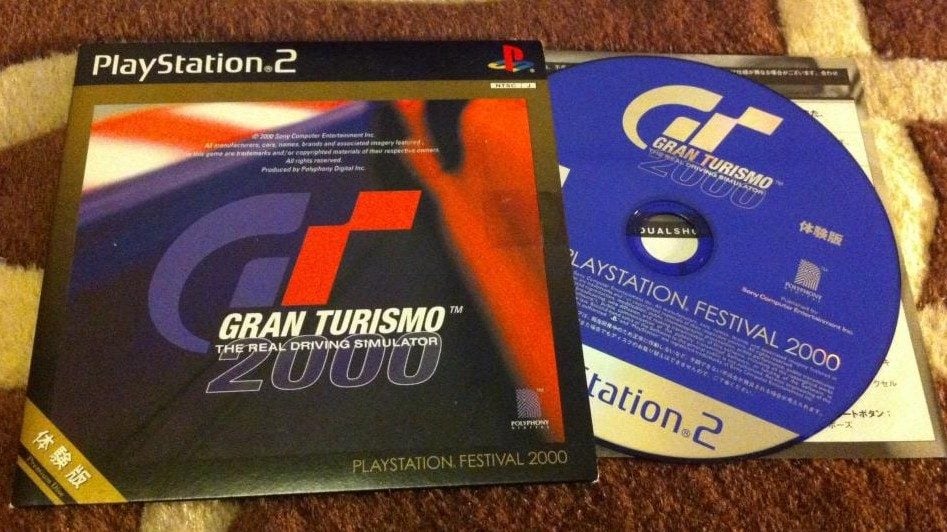
Gran Turismo 2000
Gran Turismo 3 began life as “Gran Turismo 2000“, a PlayStation 2 launch-title project that was shown at E3 2000 under that working title, and a public demo disc version appeared in Japan at PlayStation Festival that year. The 2000 launch slipped, the title changed, and what eventually shipped on April 28, 2001 was a different beast entirely.
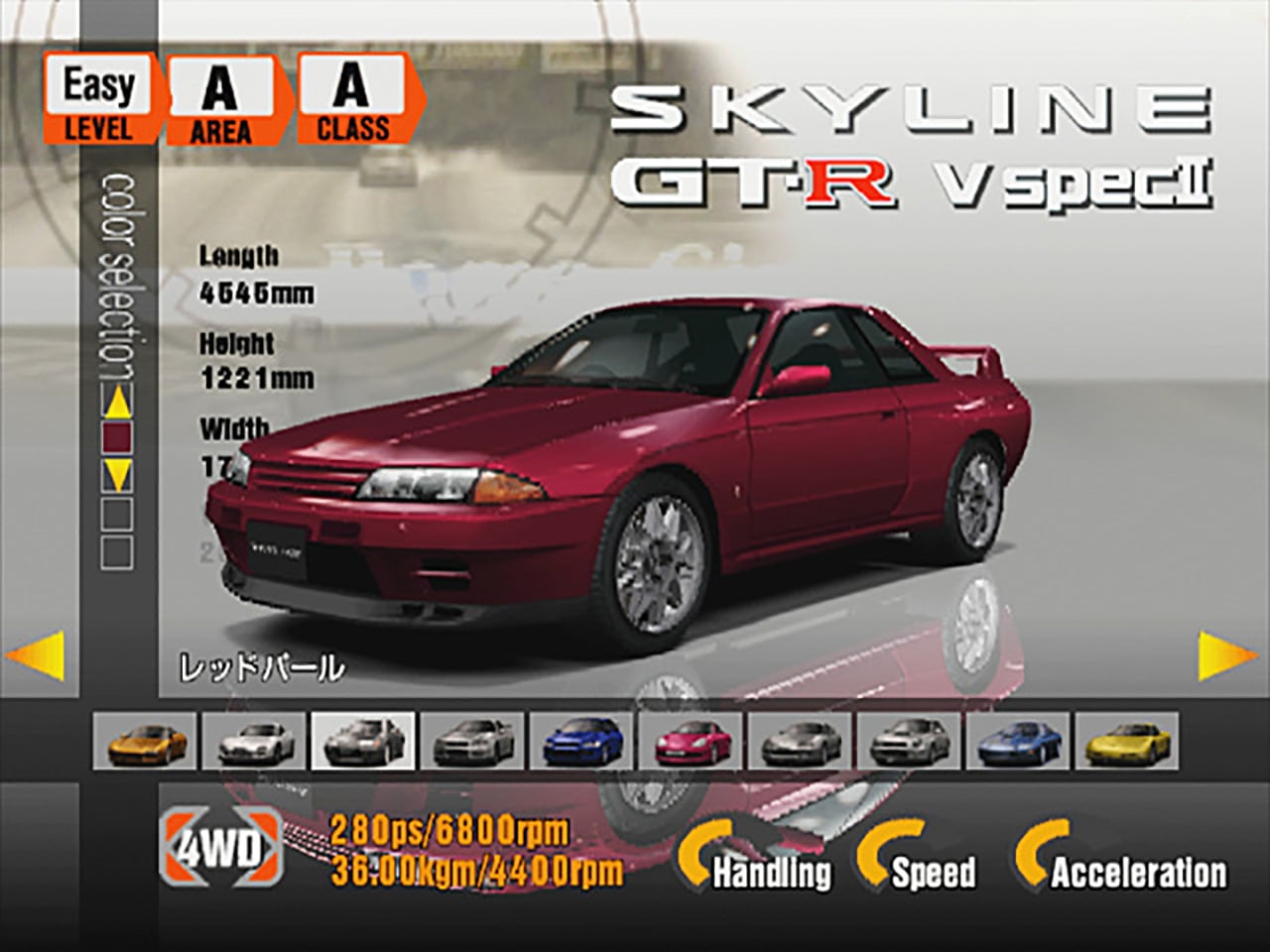
GT3 was a smaller game than Gran Turismo 2, in the most literal sense.
GT2 had carried more than 600 cars; GT3 shipped with under 200. GT3’s car roster was smaller because the series moved from PS1 to PS2 and used far more detailed car models. As a result, many GT2-era cars and niche marques did not carry over to GT3, and some never returned.
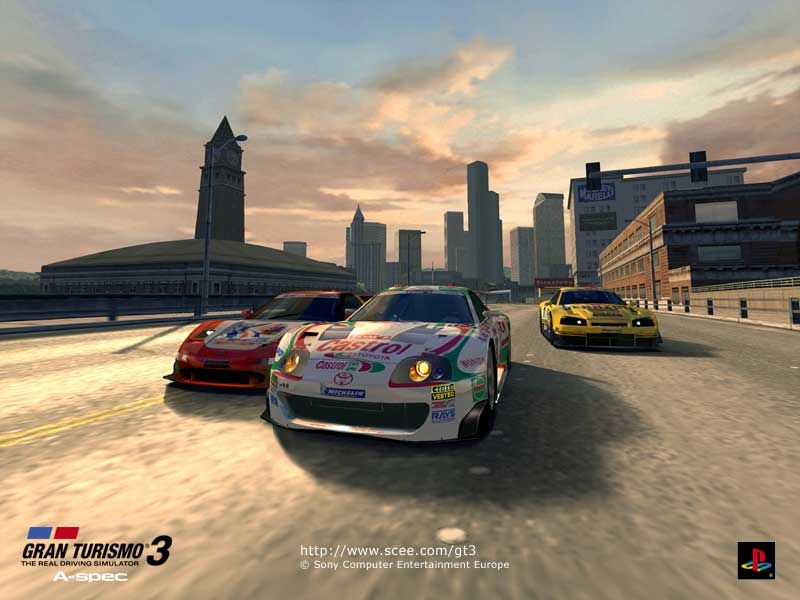
In exchange, players got the largest visual leap in the series’ history. Gran Turismo 3 used the PS2’s Emotion Engine to deliver much more detailed cars, real-time reflections, richer environmental effects, and replays that looked strikingly like a TV broadcast.
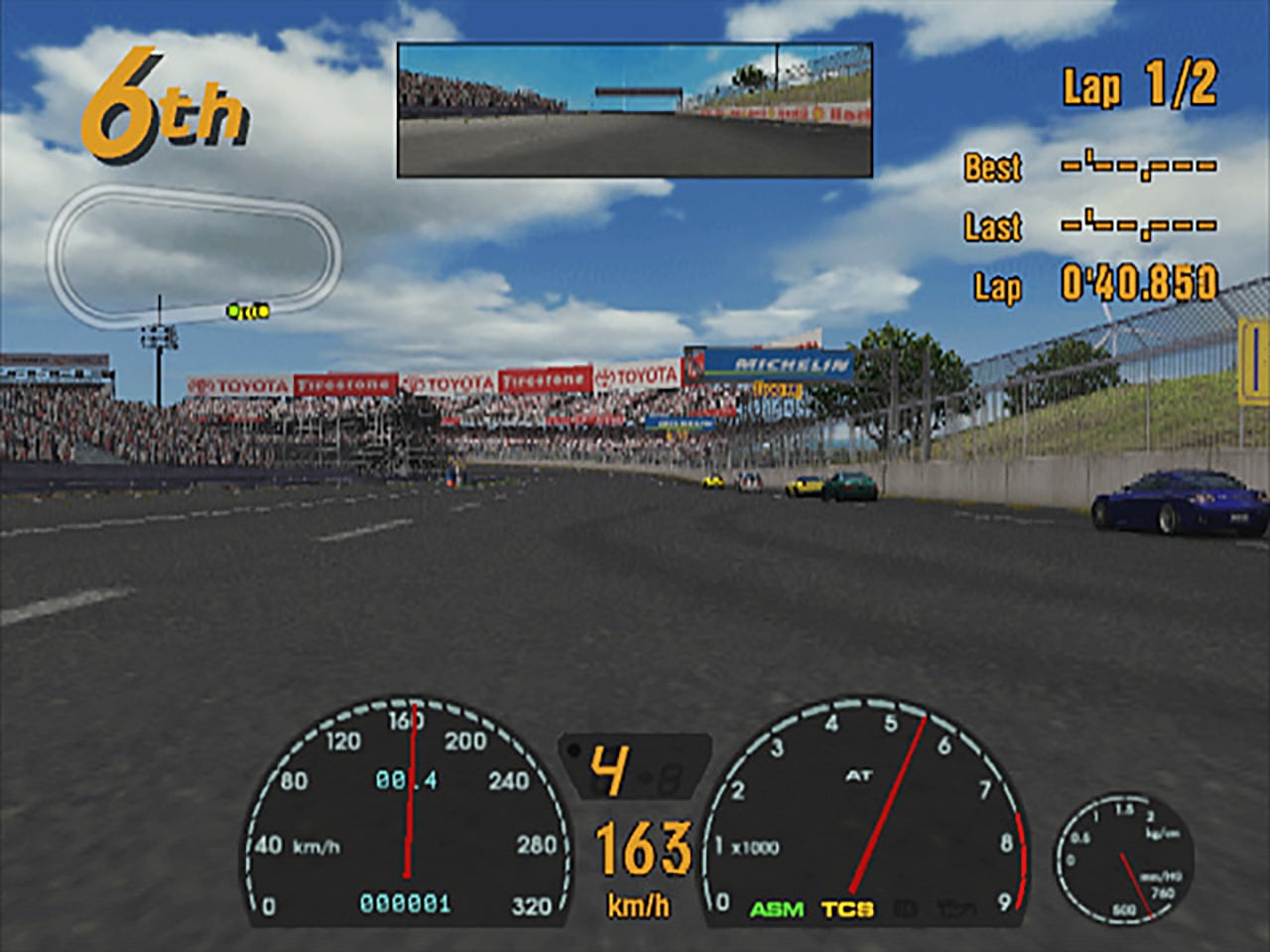
The Firsts
Even with the trimmed roster, GT3 introduced a remarkable amount of new ground that the series still stands on today.
Open-wheelers arrived for the first time, in the form of six fictional Formula cars modeled on F1 machines of the six-cylinder turbo era from 1986–1988 and the V10 era from 1990–1994. Licensing concerns led to the cars being renamed Polyphony 001 and Polyphony 002 in PAL and North American releases, which left players outside Japan with one car per era.
Lamborghini, similarly, made a brief and Japan-only appearance in the form of the JGTC Diablo. Porsche existed only as a hidden 911 GT3 buried in the code, accessible to players with cheat devices like the Action Replay (it finally came to the franchise in 2018). Both cases were licensing puzzles the series wouldn’t fully solve until much later. Lamborghini returned with Gran Turismo PSP almost a decade later; Porsche would not return until GT Sport in 2017.
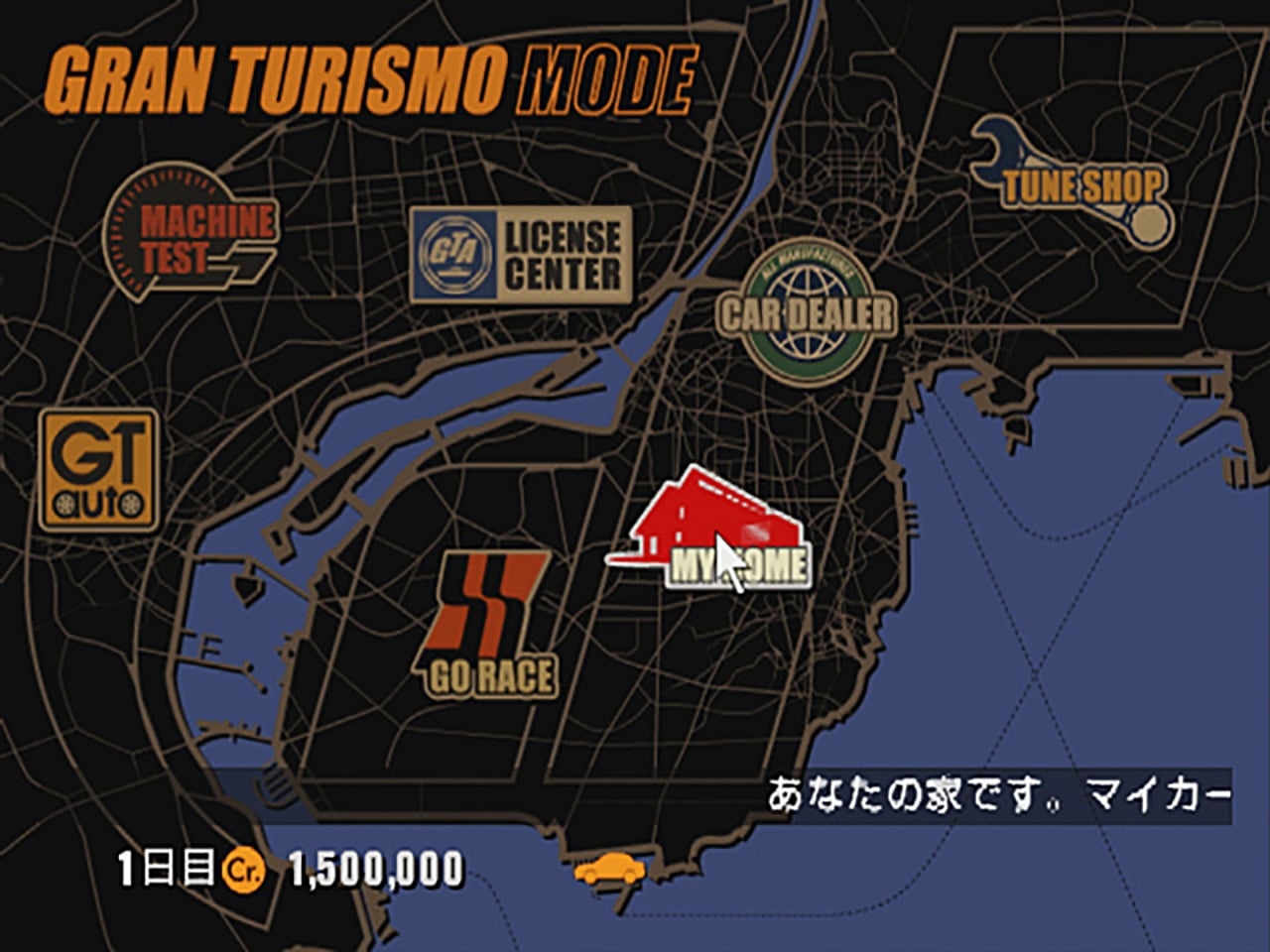
The Data Analyzer, allowing players to compare lap telemetry side-by-side, debuted in GT3 and pre-dated GT7’s recent Data Logger telemetry tool by 24 years. And the iLink network feature let up to six PS2s connect for live multiplayer. It was the genesis of what would become online Gran Turismo a console generation later.
Legendary Tracks
GT3 introduced a handful of circuits that would eventually become some of the series’ most beloved.
Côte d’Azur, the series’ interpretation of the Monaco street circuit, debuted here to complement the Formula cars. Tokyo R246, modelled on the streets around Sony Computer Entertainment’s Tokyo offices, also made its first appearance in GT3 and was a recurring presence in later entries.
Some of GT3’s circuits are still missing. Complex String, the grueling 11km test course made of stitched-together corner archetypes, has never returned.
The “A-Spec” Question
The full title is a bit odd.
The obvious theory, of course, was a plan for Gran Turismo 3: B-Spec, which would have likely been a separate release as a race-team management sim. That game never materialized, though B-Spec did finally debut in Gran Turismo 4 as a side mode (and continued to appear through GT5 and GT6).
GT3’s “A-Spec” career structure spanned events across Beginner, Amateur, and Professional leagues, with the debut of endurance races bolted on the end.
A few other quirks of GT3 are worth mentioning. Race modifications, a GT2 staple, were cut as the new car models would have presumably made designing them prohibitively time-consuming. The Used Car dealership was gone, with every car instead either available new or as a prize. And a new “oil change” mechanic asked players to actually maintain their cars to keep them at peak power.
Twenty-Five Years Later
Aside from the technical facts, it’s worth asking why Gran Turismo 3 still has a place in so many fans’ hearts a quarter-century after its release.
From a branding perspective, GT3 set the visual and presentational template the series has been refining ever since. The transition to the PS2 was the moment Gran Turismo went from “impressively detailed for a PlayStation game” to looking the way modern racing games look, with photorealistic paint, more detailed crowds, and broadcast-quality replays. The deep partnership with Logitech for steering wheel support also began here, and has carried through every console generation since.
GT3 also arrived at a particular, special moment in time.
The PS2 was the dominant home console of the era, GT3 was its killer app, and a generation of players who had never touched a racing sim before were suddenly spending entire weekends grinding through the Sunday Cup and the Beginner League. Many of them are still here, and some are racing in the Gran Turismo World Series now.
GT7 may by now have caught or surpassed GT3 in raw sales numbers, but the bar GT3 set in 2001 — both commercially and as a cultural moment — is the one the series is still measuring itself against.
See more articles on Gran Turismo 3.